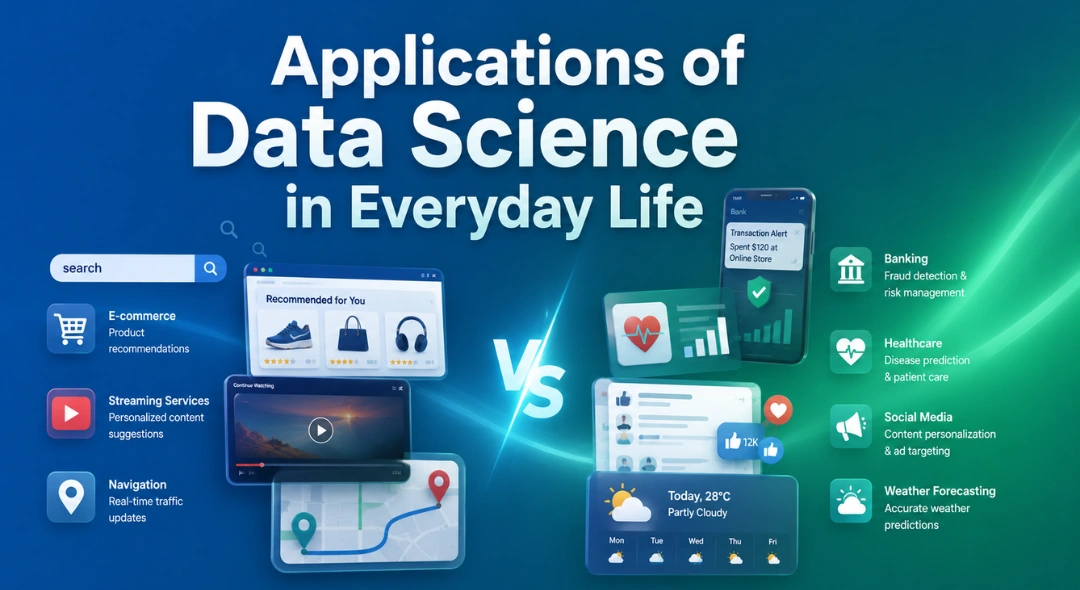
Applications of Data Science in Everyday Life Most people think data science is something that only happens inside huge tech companies or …
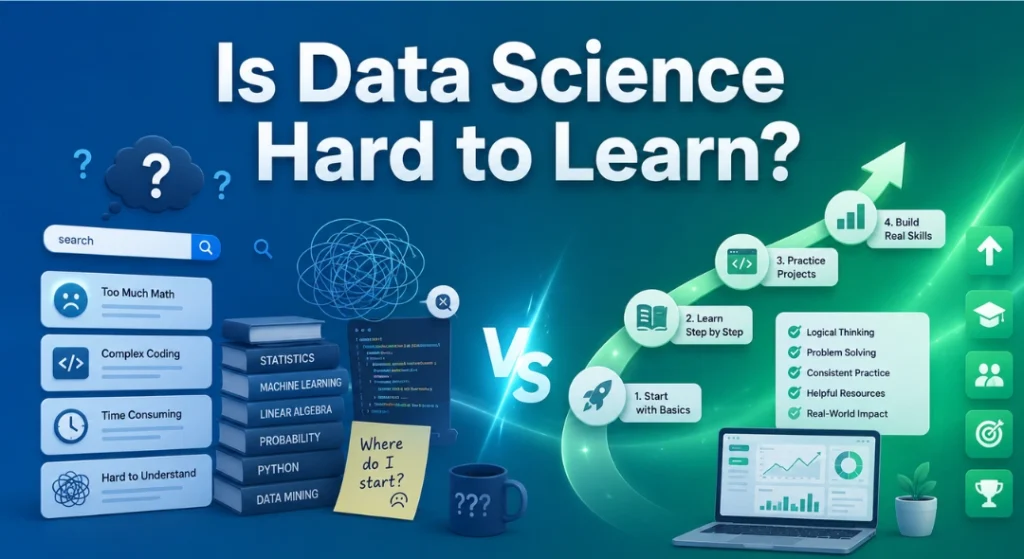
Is Data Science Hard to Learn?
If you’ve ever searched “is data science hard,” you already know the internet isn’t much help. One article says it’s the most challenging field you’ll ever study. The next says anyone can learn it in three months. So what’s the actual truth?
Like most honest answers, it’s somewhere in the middle. Data science isn’t effortless, but it’s also not the impossible mountain it’s sometimes made out to be. The difficulty really depends on how you approach it, what background you’re starting from, and how you define “hard” in the first place.
Let’s break this down properly, with some real examples, so you can decide for yourself whether it’s worth pursuing.
“Hard” Compared to What?
Before deciding if something is hard, it helps to ask: hard compared to what? Learning a new language is hard. Training for a marathon is hard. Data science fits somewhere in that same category, it requires consistent effort over time, not raw genius.
Here’s a simple comparison: think about learning to drive. The first time you sit behind the wheel, everything feels overwhelming, the pedals, the mirrors, the traffic. But after a few weeks of practice, it becomes second nature. Data science works similarly. Concepts like data analytics, basic statistics, and python and data science feel confusing at first, but they click into place with consistent practice, not innate talent.
The Math Doesn’t Have to Be Scary
A lot of people assume data science requires advanced, intimidating math, and this fear stops many people before they even start. The reality is more forgiving. Yes, maths for data science matters, things like probability, averages, and basic statistics show up regularly. But you don’t need to be a math prodigy to grasp these concepts.
For example, understanding “average” and “median” isn’t complicated, you already use similar logic when figuring out your average monthly expenses. Data science statistics builds on everyday logic like this, just applied more formally. Most data science maths taught in beginner courses starts from these basics and builds up gradually, rather than throwing you into complex equations on day one.

Coding Is a Skill, Not a Talent
Another common fear is coding. People imagine lines of confusing code and assume they need to be “naturally good with computers” to succeed. In reality, coding is far more like learning to cook than people expect. You follow a recipe, make mistakes, adjust, and slowly get better.
Python for data science is often recommended for beginners precisely because it reads more like plain English compared to other programming languages. A simple example: printing the average of a list of numbers in Python takes just one or two lines of code, no advanced computer science degree required. Many people complete a python for data science course with zero prior coding experience and still pick it up comfortably within a few weeks.\
Real Example: Understanding Through a Story
Let’s take a relatable example. Imagine a small bakery owner wants to understand why sales dropped last month. Without data science, she might guess: maybe it’s the weather, maybe a competitor opened nearby. With basic data analytics skills, she could actually check, pulling sales data, comparing it to weather records, foot traffic, or local events, and finding the real reason.
This is what makes data science so practical. It’s not abstract theory; it’s a toolkit for answering real questions with evidence instead of guesswork. Once you see it applied to something tangible like this, the “hard” parts start to feel more like puzzle-solving than rocket science.
Where Beginners Actually Struggle
To be fair, data science isn’t entirely smooth sailing. Most beginners do hit a few common roadblocks:
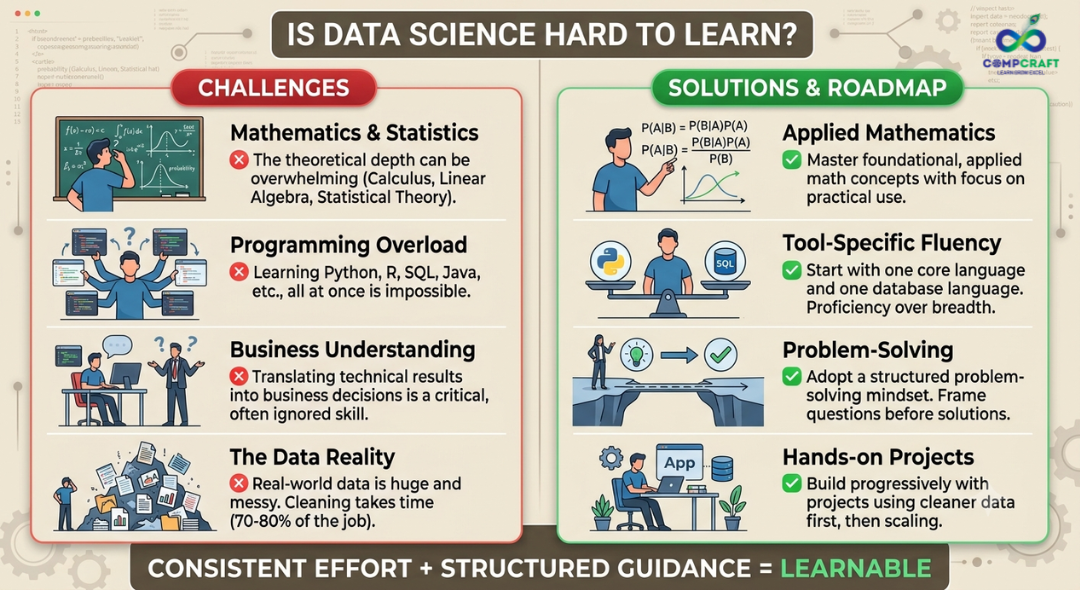
Information overload. With so many courses on data analytics and data science, tools, and tutorials available, beginners often don’t know where to start. Trying to learn everything, python, statistics, machine learning, and data visualization all at once usually leads to burnout.
Skipping the basics. Some learners jump straight into advanced topics like data science with machine learning before understanding foundational data analytics and data science statistics. This is like trying to run before learning to walk, frustrating and unnecessary.
Inconsistent practice. Like any skill, data science fades without regular use. Watching videos without hands-on practice with python data analysis rarely leads to real understanding.
The good news? All three of these struggles are about approach, not ability. Fixing them is usually as simple as following a structured path instead of trying to learn everything randomly.

How to Make It Easier
If you want to avoid the common struggles, structure matters more than raw effort. A well-designed introduction to data science course typically breaks learning into manageable steps: starting with data analytics fundamentals, moving into python for data analytics, then gradually introducing data science and artificial intelligence concepts once the basics feel comfortable.
Certifications can help too, not just for credibility, but because they provide structure. Programs like the IBM data science professional certificate or IBM data analyst professional certificate are popular specifically because they guide learners step-by-step rather than leaving them to figure out a learning path alone.
If you’re comparing programs, it helps to look at practical details like data science course duration and data science course fees, and whether the course leads to a recognized data science certificate or data analyst certificate. A good course should also include real projects, since practicing with actual data is far more effective than memorizing theory.
Does Learning Style Matter?
It genuinely does. Some people learn best independently through self-paced online courses, while others need structure, deadlines, and someone to ask questions to in real time. There’s no universally “right” way, just the way that works for you.
For beginners wanting a low-pressure starting point, options like excel for data analysis course Mumbai or a short term data science course Mumbai can ease you in before committing to something longer. Some learners specifically search for a data science institute in Charni Road Mumbai or a python for data science course in Charni Road simply because having someone to ask questions to, in person, makes the learning curve feel far less steep. A few local institutes, including CompCraft, offer this kind of beginner-friendly, hands-on format in the area, which can be a practical option for people who prefer structured guidance over learning entirely alone.
So, Is It Actually Hard?
Here’s the honest answer: data science requires effort, patience, and consistency, but it’s absolutely learnable by an average person willing to put in steady work. It’s not reserved for math geniuses or computer science graduates. Many successful data scientists started with zero technical background and built their skills gradually, one concept at a time.
The real difficulty isn’t the subject itself, it’s staying consistent and not getting discouraged early on. If you approach it like learning to drive or cook, starting simple, practicing regularly, and gradually building confidence, data science becomes far less intimidating than its reputation suggests.
So if you’ve been hesitating because you think it’s “too hard,” consider this a nudge to start small. You might find it’s far more approachable than you expected.
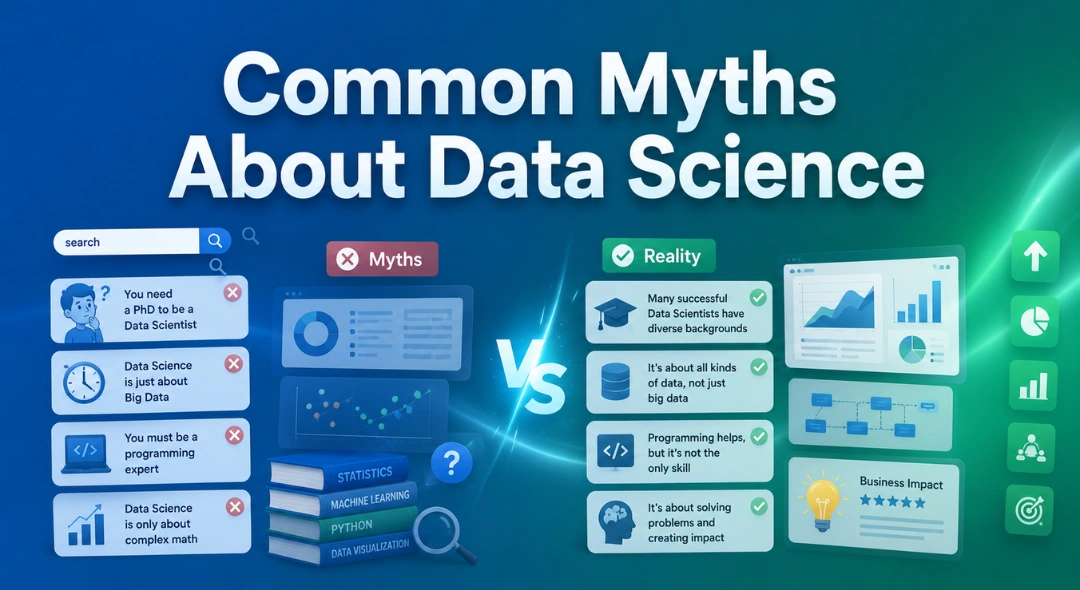
Common Myths About Data Science Data science has become one of those buzzwords that almost everyone has heard, but not everyone fully …
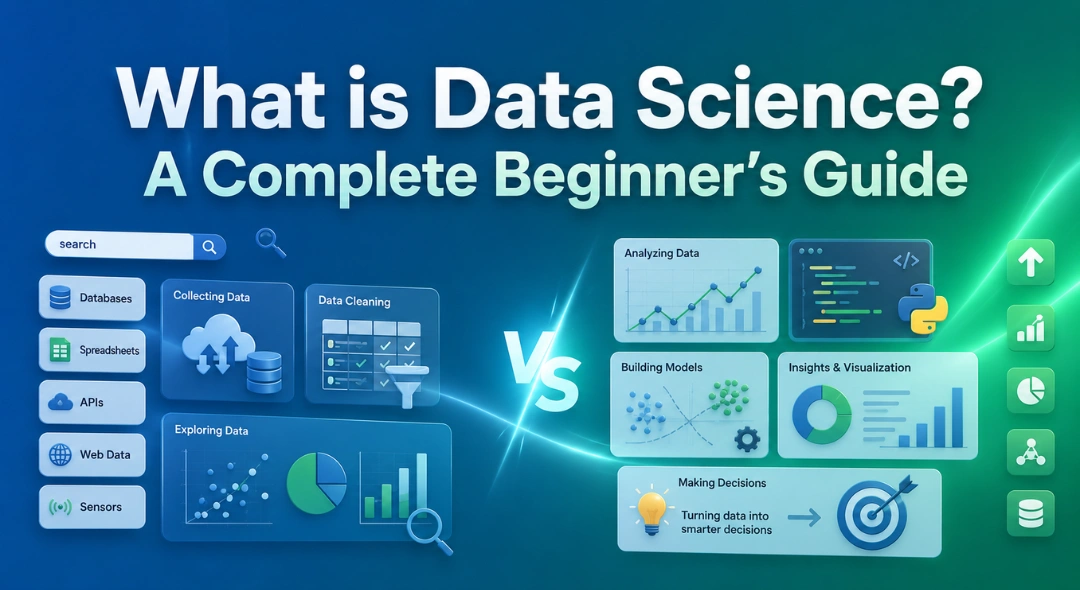
What is Data Science? A Complete Beginner’s Guide If you’ve spent any time online in the last few years, chances are you’ve …
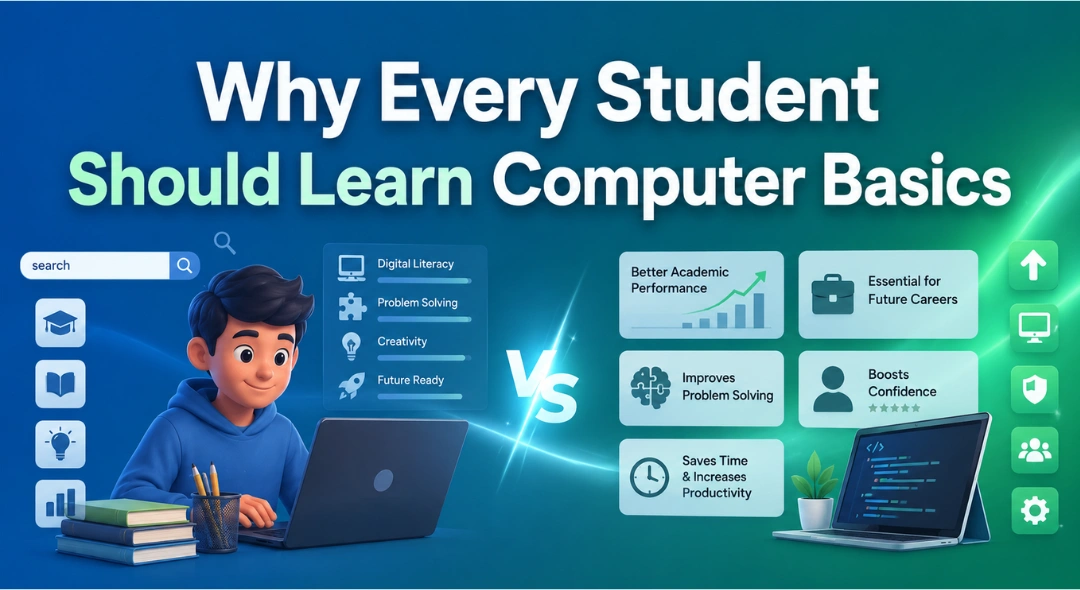
Why Every Student Should Learn Computer Basics Walk into almost any classroom today, and you’ll spot laptops, tablets, or smartboards being used …
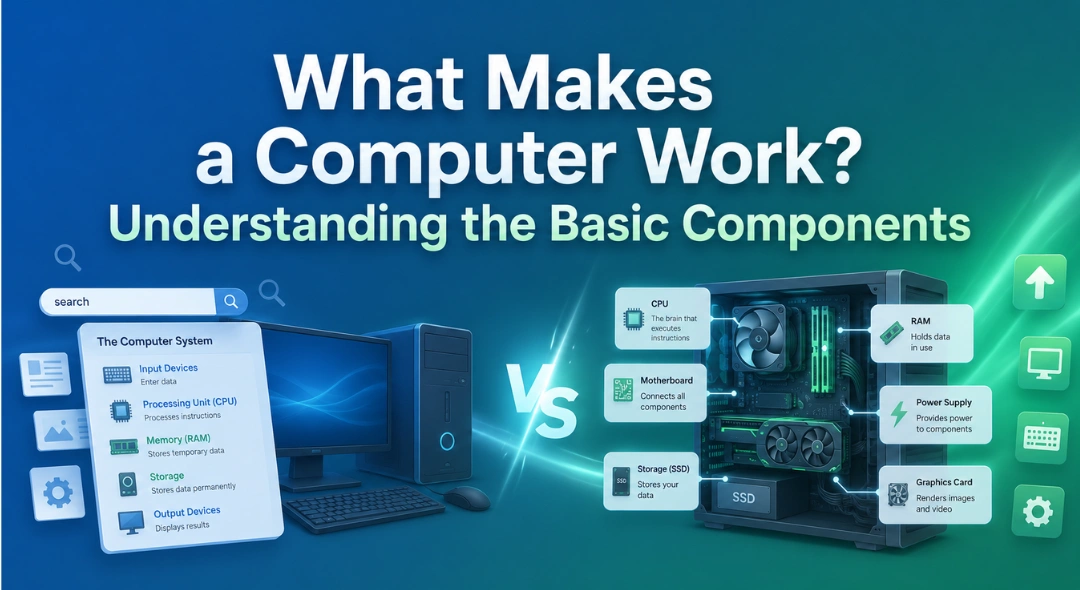
What Makes a Computer Work? Understanding the Basic Components Most of us use a computer every single day, typing emails, browsing the …
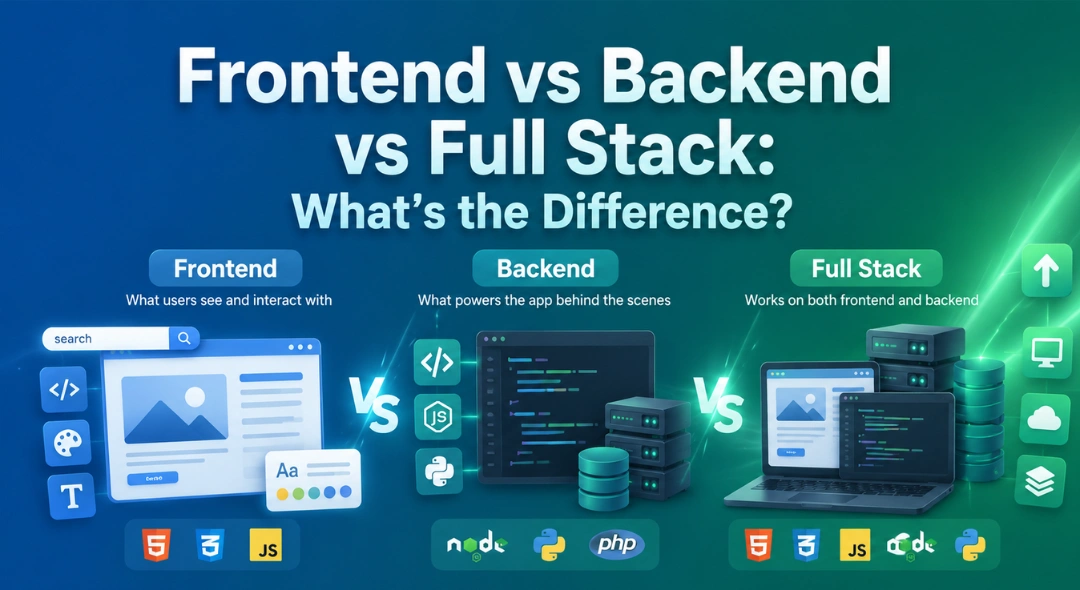
Frontend vs Backend vs Full Stack: What’s the Difference? If you’re exploring a career in software development, you’ve scrolled through job listings …
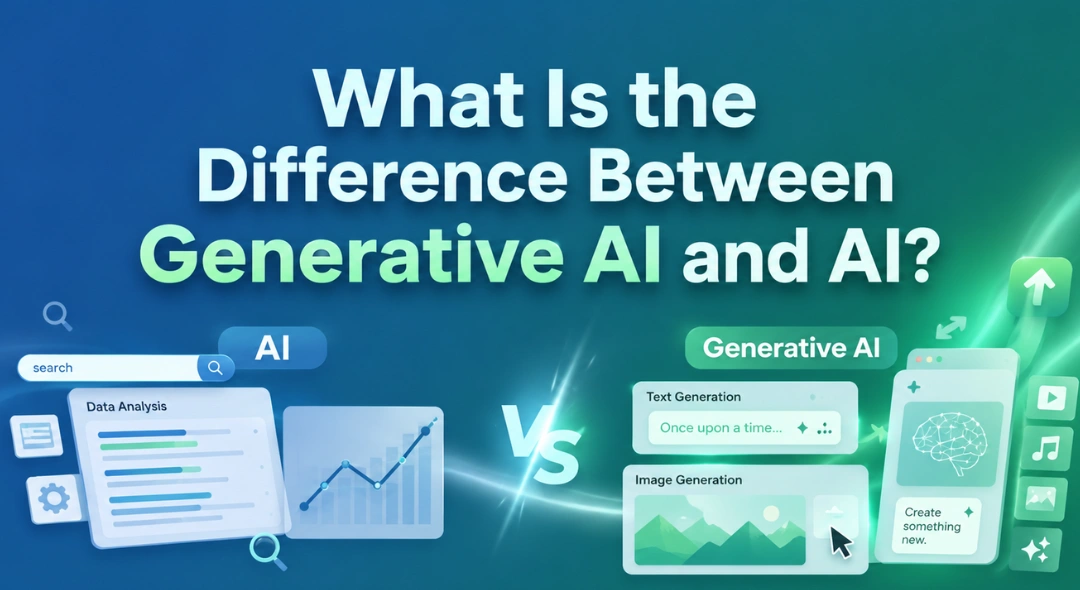
What Is the Difference Between Generative AI and AI? If you’ve spent any time online lately, you’ve probably noticed two terms being …
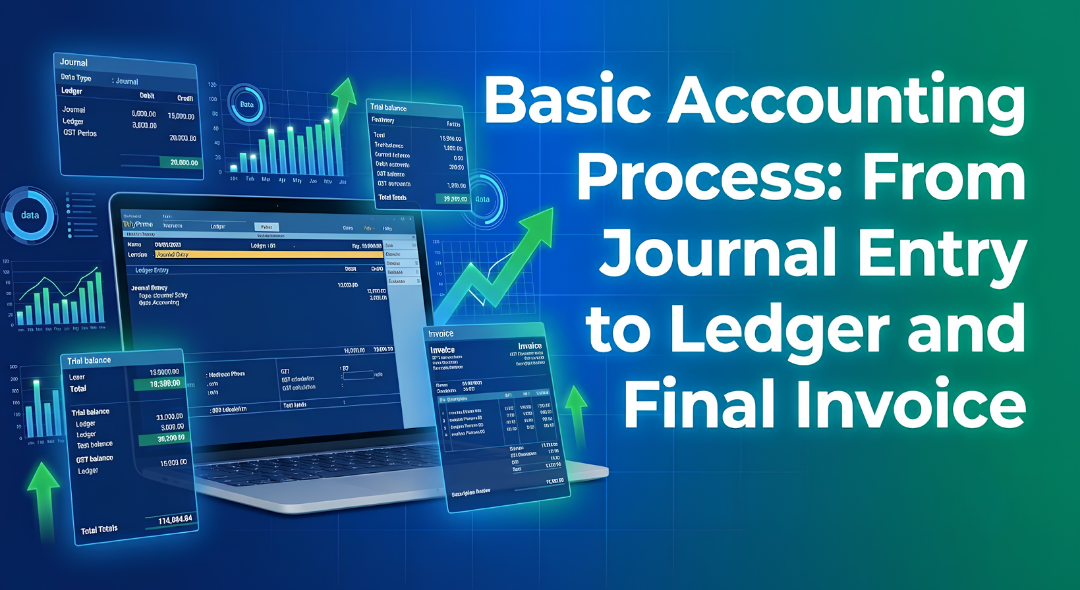
Every business from a small store in South Mumbai to a large company runs on numbers. But have you ever wondered how …
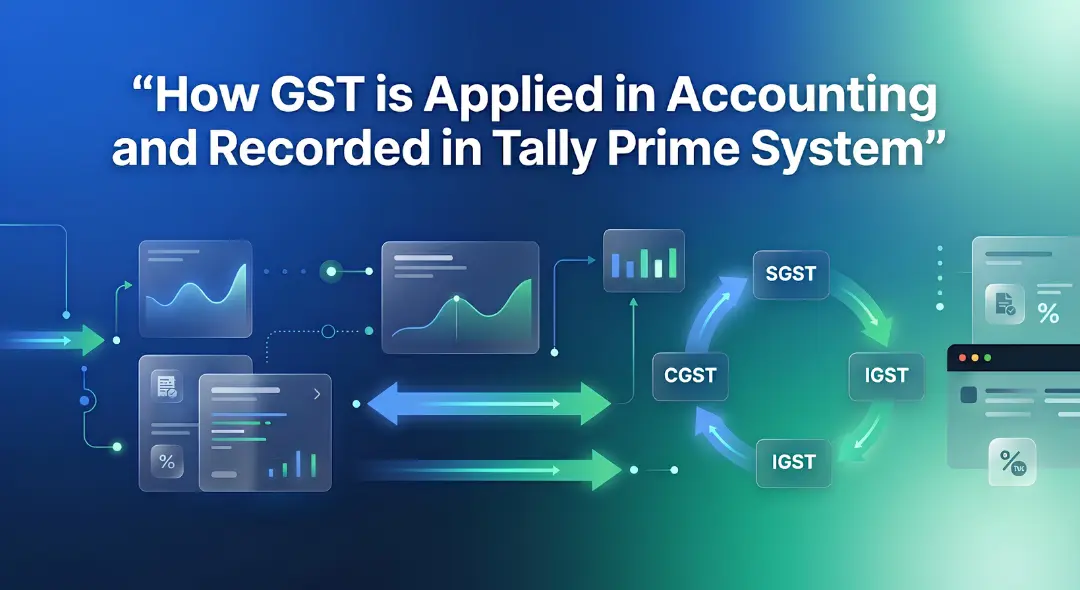
Hey everyone! If you have ever walked into a shop in Mumbai, bought a laptop, or even ordered food online, you have …
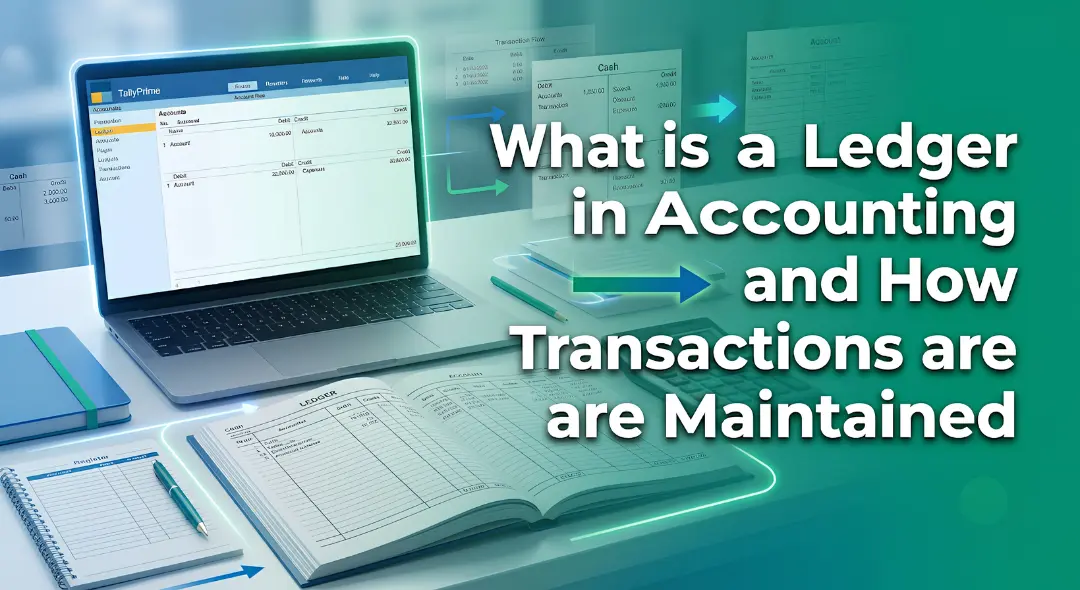
If you are new to business or managing accounts in Mumbai, you have probably heard the term ledger quite often. It sounds …
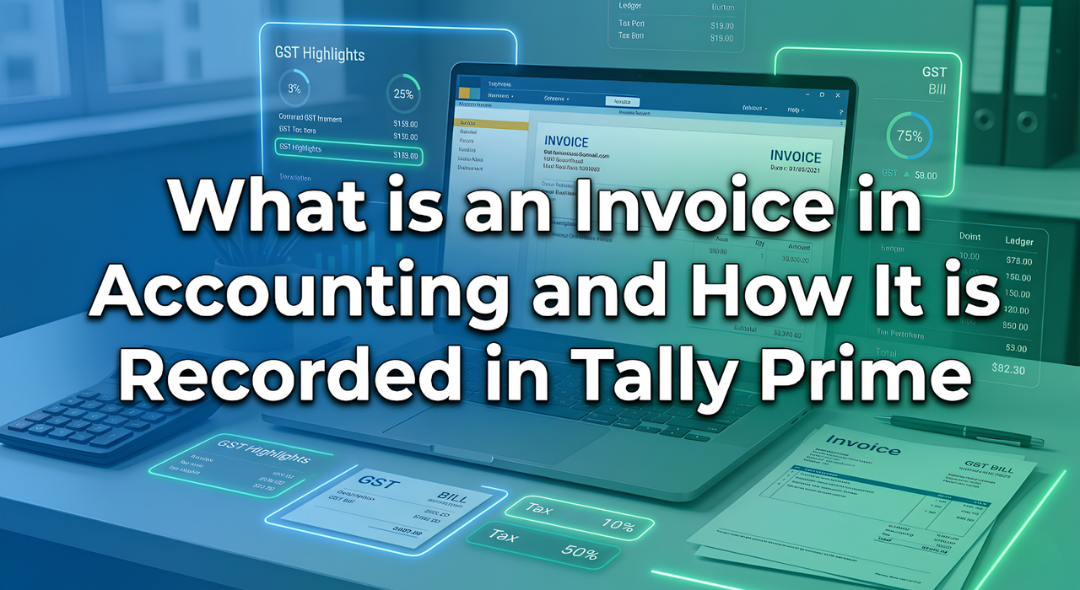
Introduction Have you ever bought a smartphone from an electronics shop and received a printed paper showing the amount you paid along …
Introduction: The Hidden World Behind Your Screen If you pick up your phone right now, what is the first app you will …
Every morning most of us in Mumbai wake up and instinctively reach for our phones. We check WhatsApp scroll through train updates …
Every week at our center I get the exact same question from students. They walk in look at the course list and …
Have you ever wondered what happens behind the scenes of your apps like Instagram, Spotify, or Netflix? Every time you scroll through …
If you want to get into the data analytics field or if you want to improve your skills you probably have a …
Imagine you are sitting in a boardroom or staring at a laptop screen looking at a spreadsheet with 10,000 rows of raw …
If you have spent any time on Instagram, LinkedIn or any other new platform that has come up, you have probably noticed …
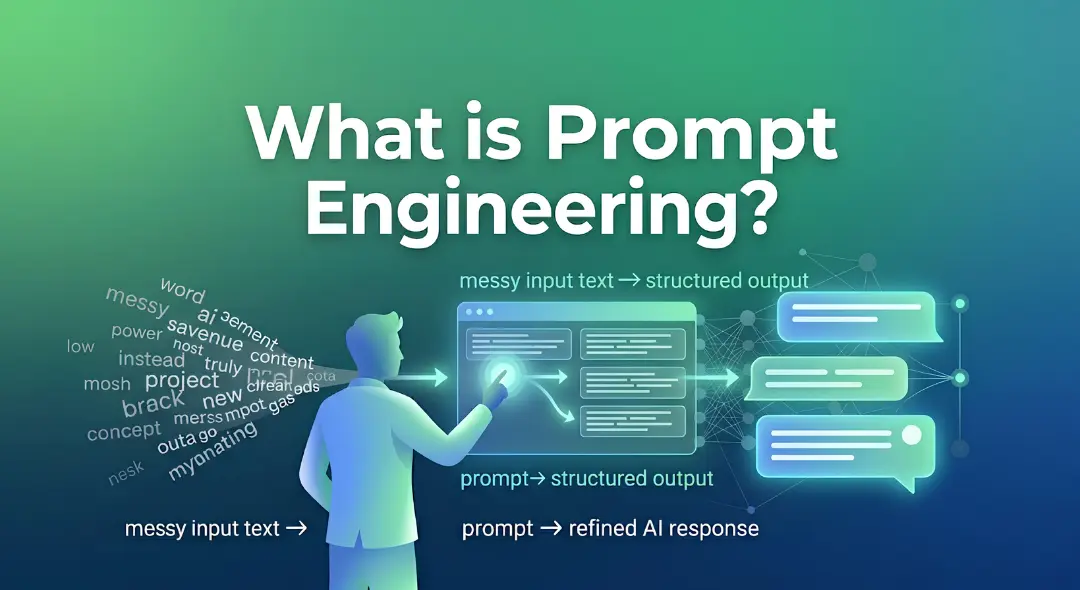
Think about the last time you asked someone for directions and ended up completely lost. It wasn’t because they didn’t know the …
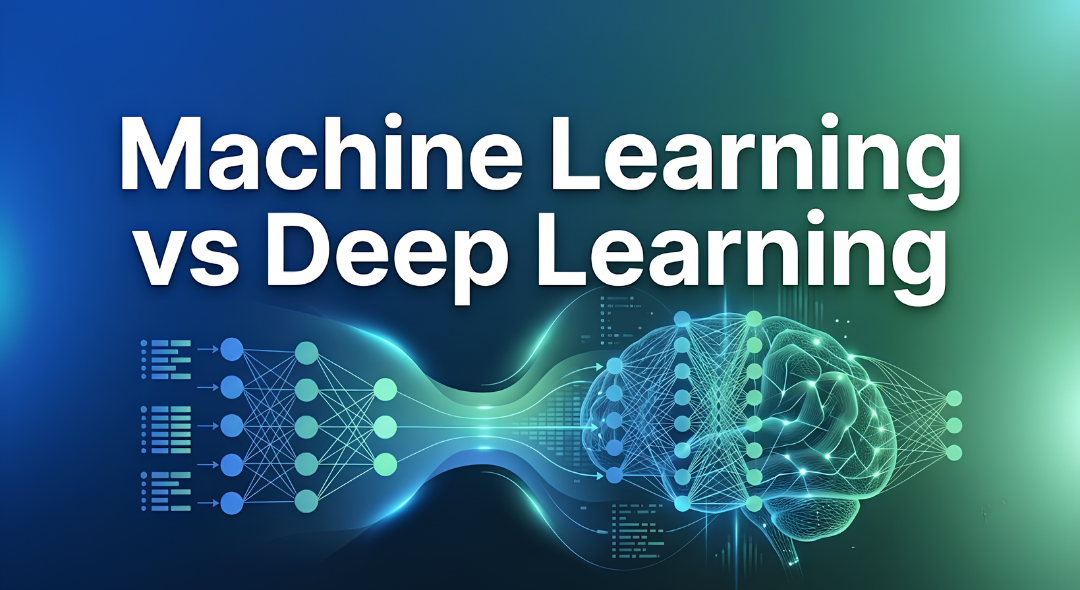
Have you ever wondered why your phone can instantly unlock by looking at your face while a traditional computer program still struggles …