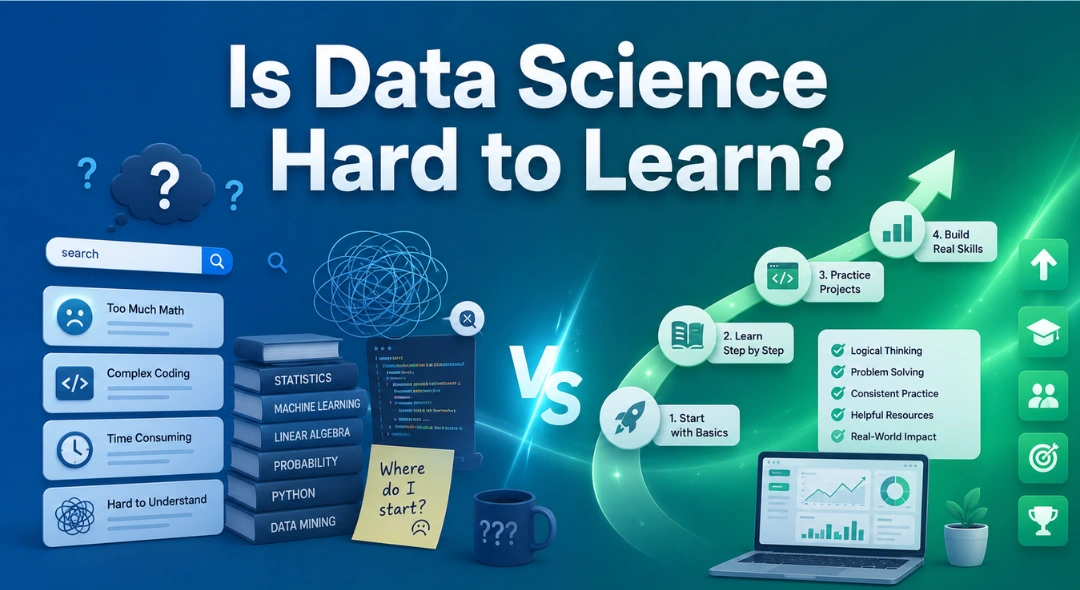
Is Data Science Hard to Learn? If you’ve ever searched “is data science hard,” you already know the internet isn’t much help. …
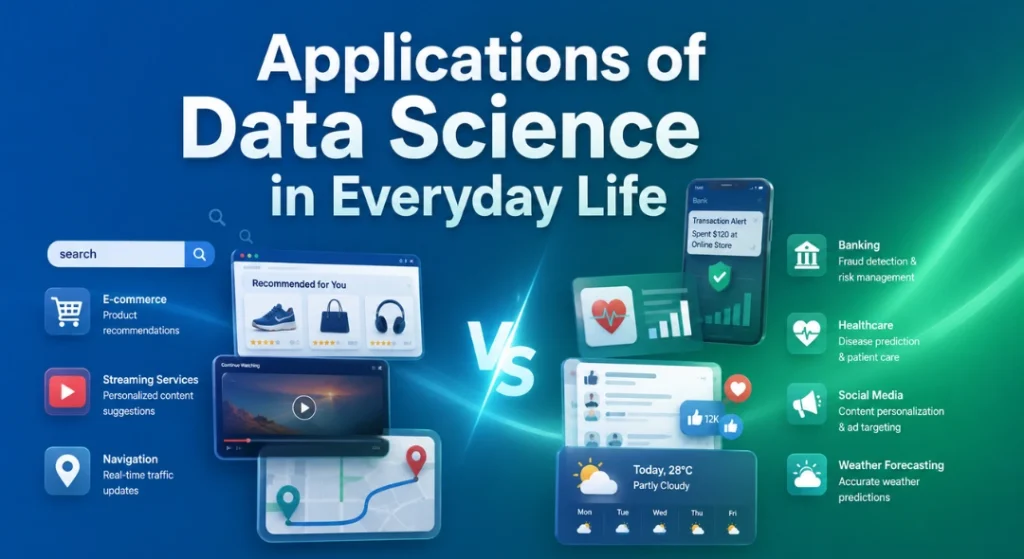
Applications of Data Science in Everyday Life
Most people think data science is something that only happens inside huge tech companies or massive data centers. It feels like a world that’s far removed from everyday life. But the reality is quite different. Chances are you’ve already interacted with data science several times today without even noticing it.
From checking your phone first thing in the morning to browsing social media before going to bed, data is constantly being collected, analyzed, and used to improve your experience.
Let’s look at a few everyday examples that show just how closely data science is connected to our daily lives—and why learning the basics through a beginner-friendly data science course has become such a valuable skill.
Your Morning Playlist Knows You Better Than You Think
Have you ever wondered how your music app seems to understand your taste so well?
That’s not luck—it’s data analytics doing its job.
Every time you play a song, skip a track, replay your favorite music, or add something to a playlist, you’re creating small pieces of data. When millions of users do the same thing, streaming platforms end up with enormous datasets that help build recommendation systems.
Behind the scenes, this often involves data science with machine learning. Algorithms identify patterns, such as people who enjoy Song A also tending to enjoy Song B, and use those insights to recommend music you might like next.
It feels personal, but it’s really data analytics and data science working together to create a better listening experience.

Online Shopping Seems to Read Your Mind
Have you ever searched for a pair of running shoes and then started seeing similar ads everywhere?
That’s another everyday example of data science in action.
Online shopping platforms track things like what you search for, which products you click, how long you stay on a page, and what you eventually buy. That information helps predict what you might be interested in next.
It’s a practical example of artificial intelligence and data science working together. AI-powered recommendation systems analyze your behavior in real time to personalize your shopping experience.
It can sometimes feel a little creepy, but it’s also why online shopping often feels more relevant than random.
Your Navigation App Is Constantly Analyzing Data
Every time your maps app suggests the fastest route or helps you avoid traffic, data science is working quietly in the background.
Navigation apps collect real-time location data from millions of users while also considering historical traffic patterns. They combine all of this information to predict congestion and recommend quicker routes.
This is a great example of data science statistics being used in everyday life. Instead of simply showing a map, these systems analyze live and historical data to make fast, accurate predictions.
It’s proof that data science isn’t only about solving massive business problems—it also helps make everyday tasks a little easier.
Healthcare Is Becoming Smarter and More Predictive
Healthcare is another area where data science is making a huge difference.
Hospitals use data analytics to identify patients who may be at a higher risk of complications, monitor disease outbreaks, and even recommend treatments based on previous patient outcomes.
Wearable devices that track your heart rate, sleep patterns, or daily activity also generate valuable health data. When that information is analyzed correctly, unusual patterns can often be detected before someone even realizes there’s a problem.
This is where data science for machine learning becomes incredibly powerful, transforming raw health data into early warnings that can genuinely improve—and sometimes even save—lives.

Banks Look for Unusual Patterns, Not Individual Transactions
Have you ever received a message from your bank asking if you really made a particular purchase?
That’s another everyday application of data science.
Banks use systems built on data analytics training principles to understand your normal spending habits—where you usually shop, how much you typically spend, and when you usually make purchases.
If something suddenly looks unusual, the system automatically flags it for review.
This process relies heavily on pattern recognition, which is a core part of data science with machine learning. Instead of someone manually checking every transaction, intelligent models compare new activity with your normal behavior and identify anything that seems suspicious.
Your Social Media Feed Is Carefully Personalized
Scrolling through social media might feel random, but almost everything you see has been selected using data science.
Every like, comment, share, follow, and even the amount of time you spend looking at a post becomes useful data.
Engineers use Python for data science along with machine learning models to analyze this information. Through Python data analysis, they study engagement patterns and build systems that predict which posts you’re most likely to interact with next.
It may seem effortless from the user’s perspective, but it’s actually one of the clearest examples of data science influencing our daily habits.
Weather Forecasts Are Built on Data, Not Guesswork
Most of us check the weather without giving it much thought.
But behind every weather forecast is an enormous amount of data science.
Meteorologists combine historical weather information with current atmospheric conditions to build predictive models. Using mathematics for data science and statistical analysis, they calculate the probability of rain, storms, or changing temperatures.
So when your phone says there’s a 70% chance of rain this afternoon, it isn’t making a random guess. It’s presenting a prediction based on years of collected data and proven statistical models.
Even Your Food Delivery App Uses Data Science
Food delivery apps rely on data science far more than most people realize.
They estimate delivery times, recommend restaurants based on your preferences, predict busy hours, and even determine where additional delivery partners are needed.
All of this depends on data analytics, real-time location tracking, and predictive modeling.
It’s another practical example of the concepts taught in many data science and analytics courses being used every single day.
Why This Matters for Beginners
Once you begin noticing these examples, you quickly realize that data science isn’t some distant or highly technical field.
It’s already woven into everyday life.
That’s one of the biggest reasons interest in learning data science continues to grow—not just among software engineers, but also among students, working professionals, entrepreneurs, and anyone curious about how modern technology works.
The good news is that you don’t need to master everything immediately.
Many beginners start with an introduction to data science course, learning the basics of data analytics, simple Python and data science exercises, and essential data science maths before moving into advanced topics like data science with machine learning or artificial intelligence and data science.
If you’re comparing learning options, it’s worth looking at practical factors such as data science course duration, data science course fees, and whether the program provides a recognized data science certificate or data analyst certificate.
Well-known programs like the IBM Data Science Professional Certificate and the IBM Data Analyst Professional Certificate remain popular because they combine structured learning with practical, real-world applications.
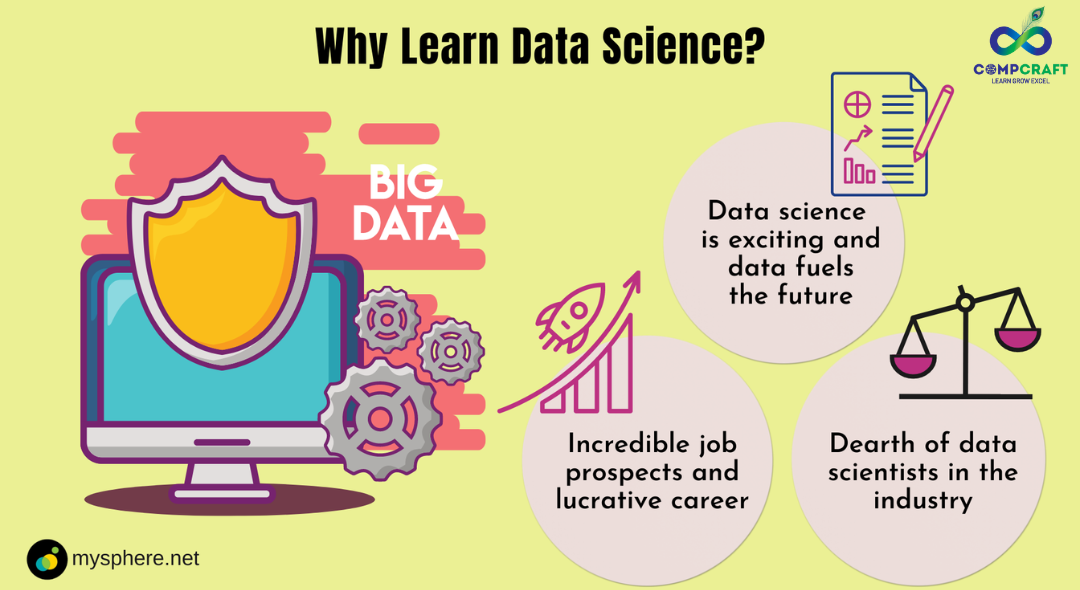
Learning Closer to Home
If classroom learning suits you better than online courses, there are plenty of local options available as well.
For learners in Mumbai, there are several choices for data science training in South Mumbai, including a data science course in Charni Road and a data science institute in Charni Road Mumbai for those who want to study closer to home or work.
Some learners prefer starting with a short-term data science course Mumbai, while others choose a Python for Data Science course in Charni Road to build programming skills.
If you’re completely new to the field, an Excel for Data Analysis course Mumbai can also be a comfortable first step before moving into Python and machine learning.
Local institutes like CompCraft offer beginner-friendly classroom training and hands-on guidance, making the learning experience more interactive for those who prefer learning with an instructor.
The Bigger Picture
From your morning playlist to your late-night food delivery, data science quietly influences more of your daily routine than most people realize.
It’s not just about massive technology companies or complicated algorithms. At its core, it’s about using data intelligently to make products, services, and everyday experiences more useful, more efficient, and more personalized.
Understanding even the fundamentals of data science doesn’t just satisfy curiosity—it opens up new opportunities.
Whether you’re considering a career change, planning to enroll in a data science course, or simply want to understand the technology shaping the world around you, learning these skills is becoming more valuable with every passing year.
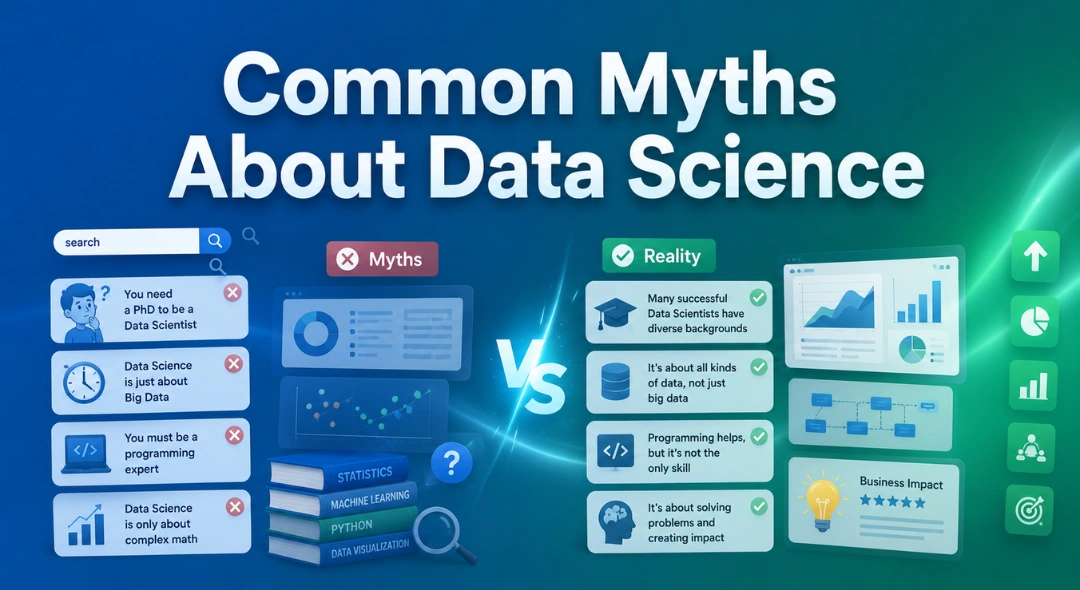
Common Myths About Data Science Data science has become one of those buzzwords that almost everyone has heard, but not everyone fully …
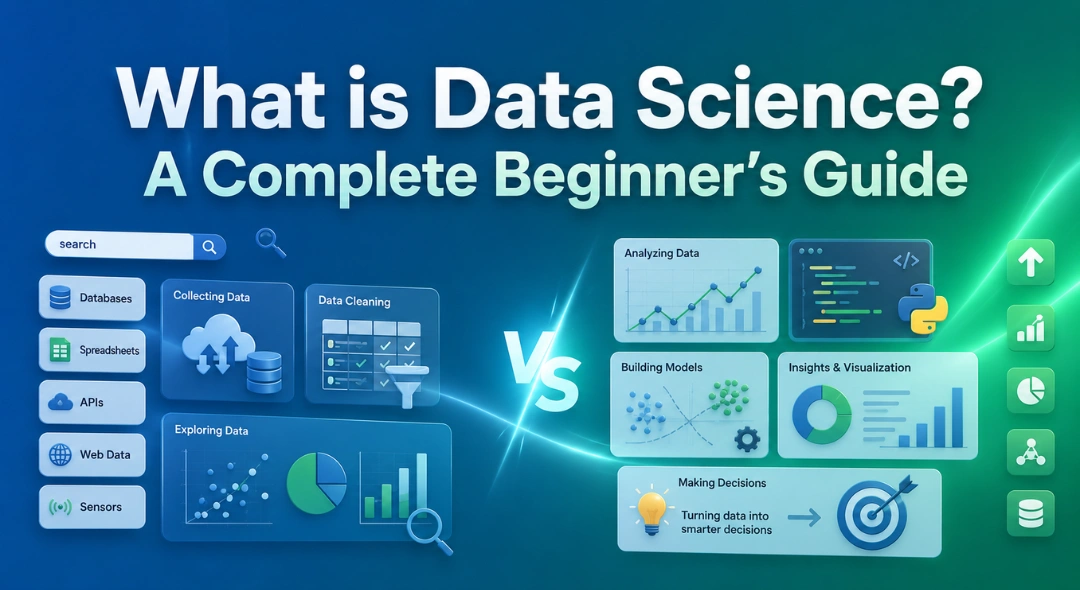
What is Data Science? A Complete Beginner’s Guide If you’ve spent any time online in the last few years, chances are you’ve …
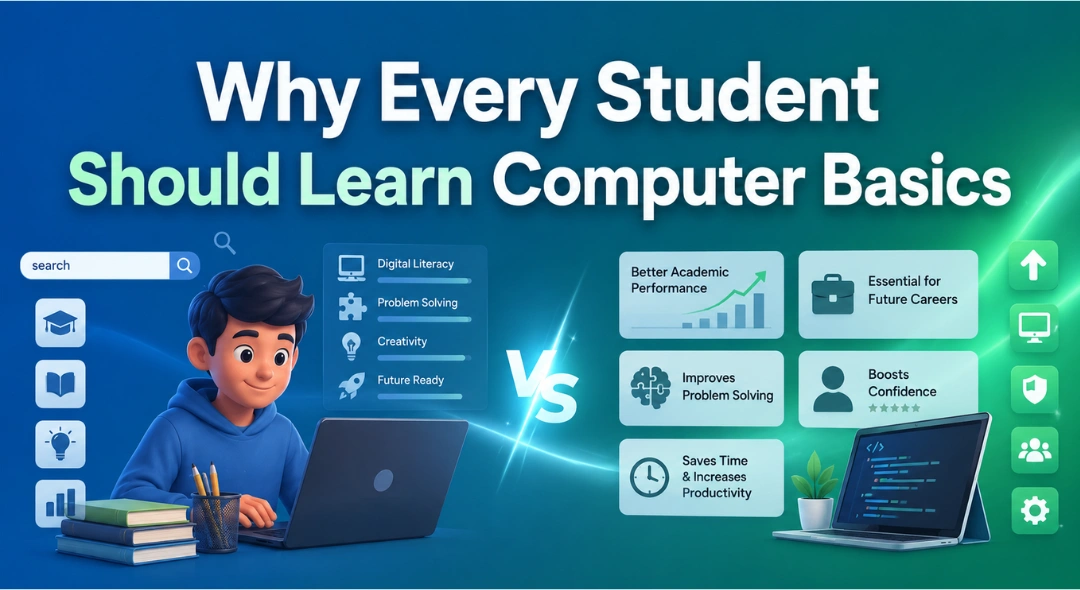
Why Every Student Should Learn Computer Basics Walk into almost any classroom today, and you’ll spot laptops, tablets, or smartboards being used …
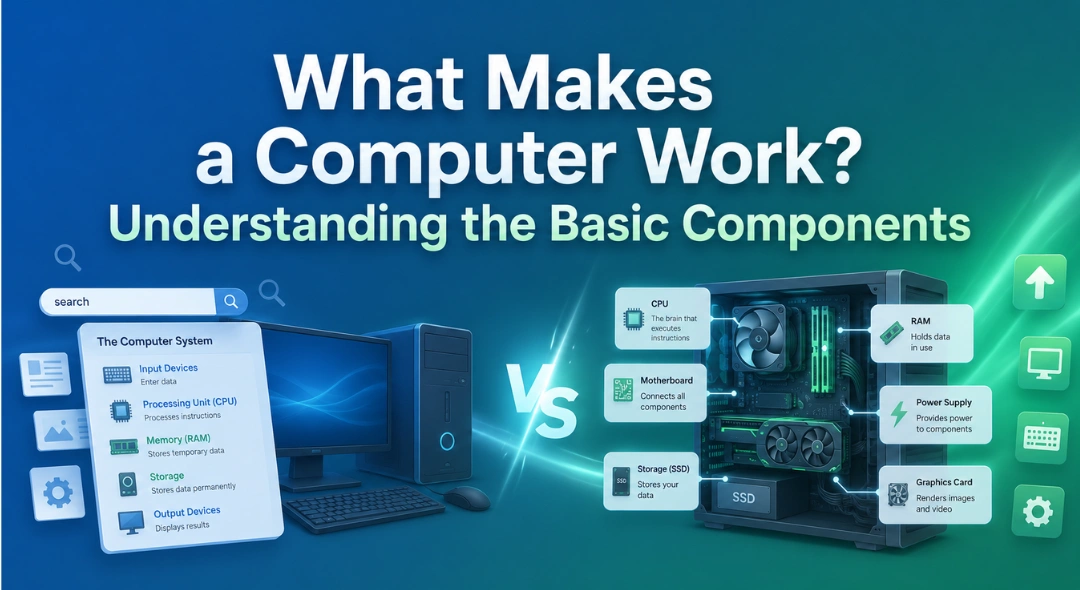
What Makes a Computer Work? Understanding the Basic Components Most of us use a computer every single day, typing emails, browsing the …
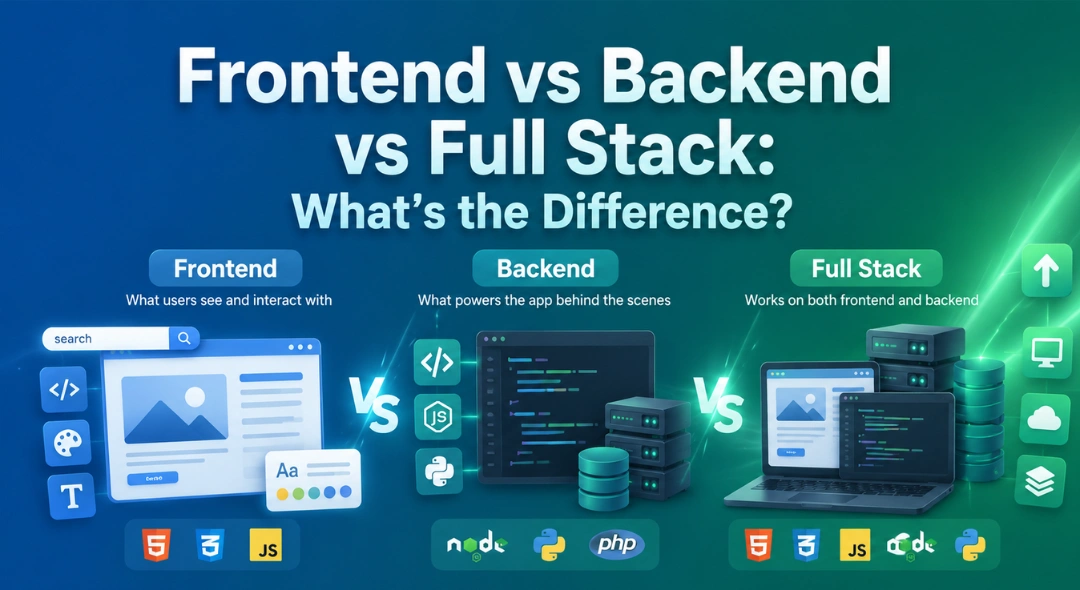
Frontend vs Backend vs Full Stack: What’s the Difference? If you’re exploring a career in software development, you’ve scrolled through job listings …
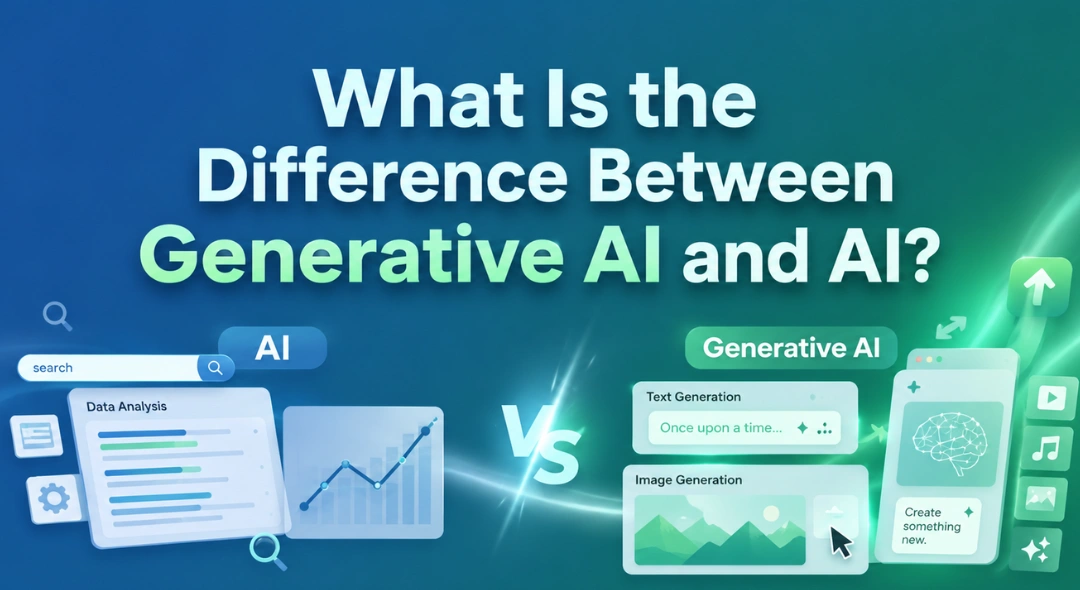
What Is the Difference Between Generative AI and AI? If you’ve spent any time online lately, you’ve probably noticed two terms being …
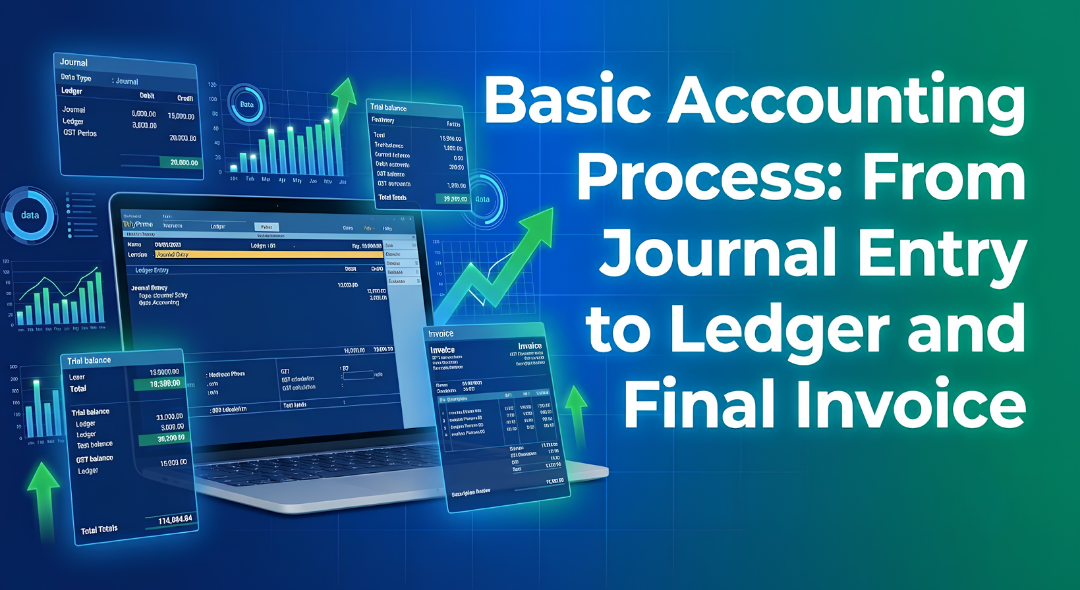
Every business from a small store in South Mumbai to a large company runs on numbers. But have you ever wondered how …
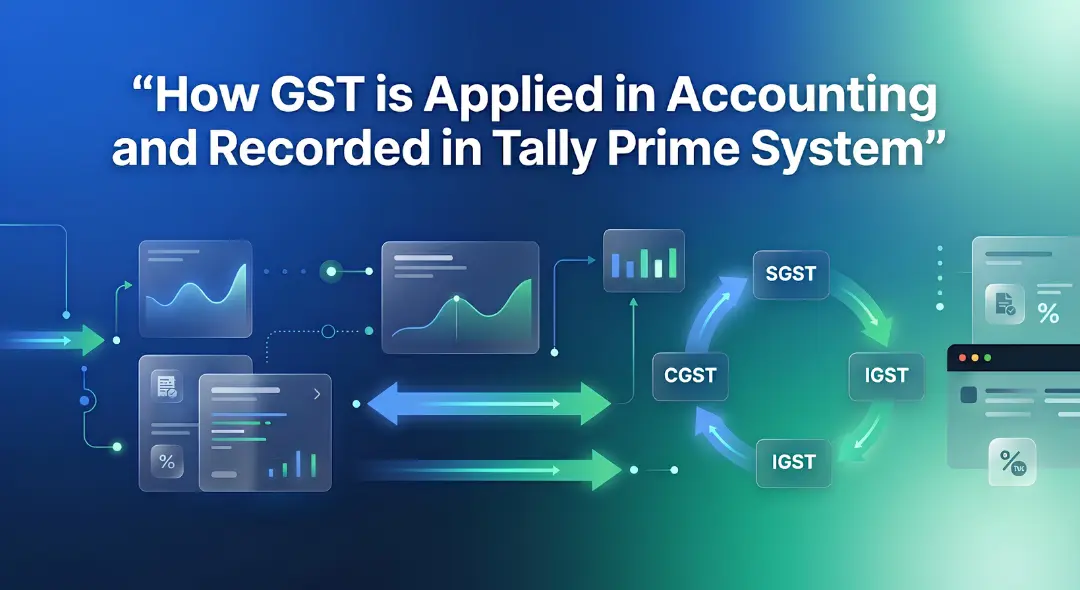
Hey everyone! If you have ever walked into a shop in Mumbai, bought a laptop, or even ordered food online, you have …

If you are new to business or managing accounts in Mumbai, you have probably heard the term ledger quite often. It sounds …
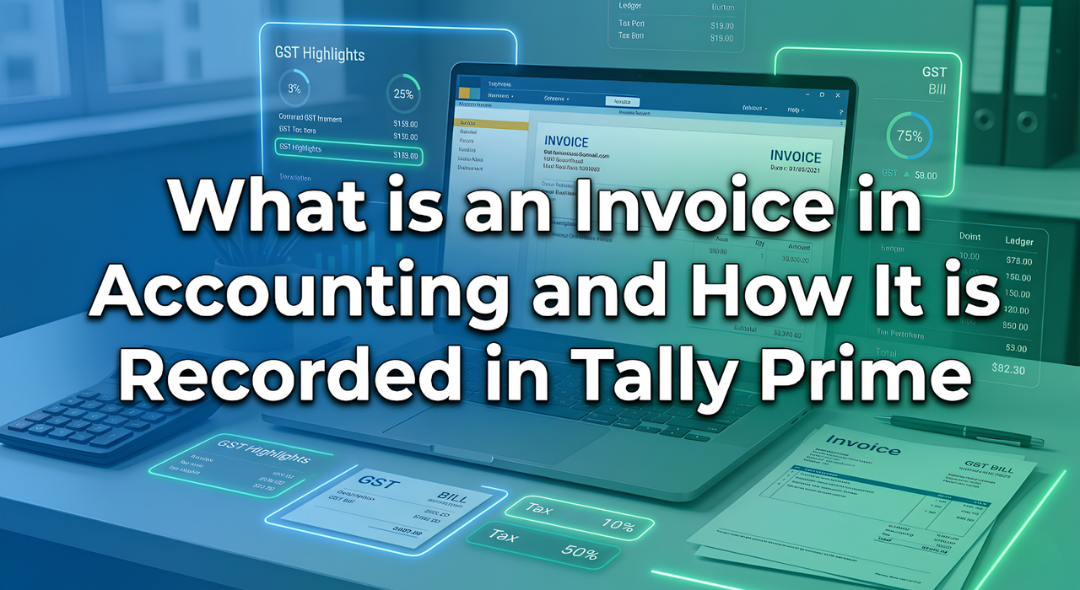
Introduction Have you ever bought a smartphone from an electronics shop and received a printed paper showing the amount you paid along …

Introduction: The Hidden World Behind Your Screen If you pick up your phone right now, what is the first app you will …

Every morning most of us in Mumbai wake up and instinctively reach for our phones. We check WhatsApp scroll through train updates …

Every week at our center I get the exact same question from students. They walk in look at the course list and …

Have you ever wondered what happens behind the scenes of your apps like Instagram, Spotify, or Netflix? Every time you scroll through …
If you want to get into the data analytics field or if you want to improve your skills you probably have a …
Imagine you are sitting in a boardroom or staring at a laptop screen looking at a spreadsheet with 10,000 rows of raw …
If you have spent any time on Instagram, LinkedIn or any other new platform that has come up, you have probably noticed …
Think about the last time you asked someone for directions and ended up completely lost. It wasn’t because they didn’t know the …
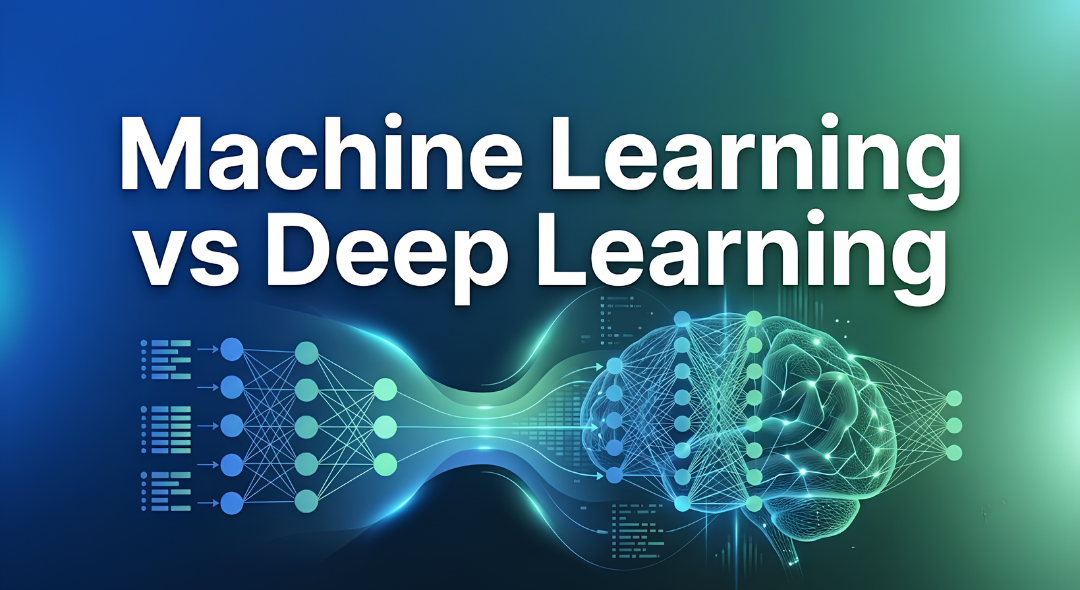
Have you ever wondered why your phone can instantly unlock by looking at your face while a traditional computer program still struggles …