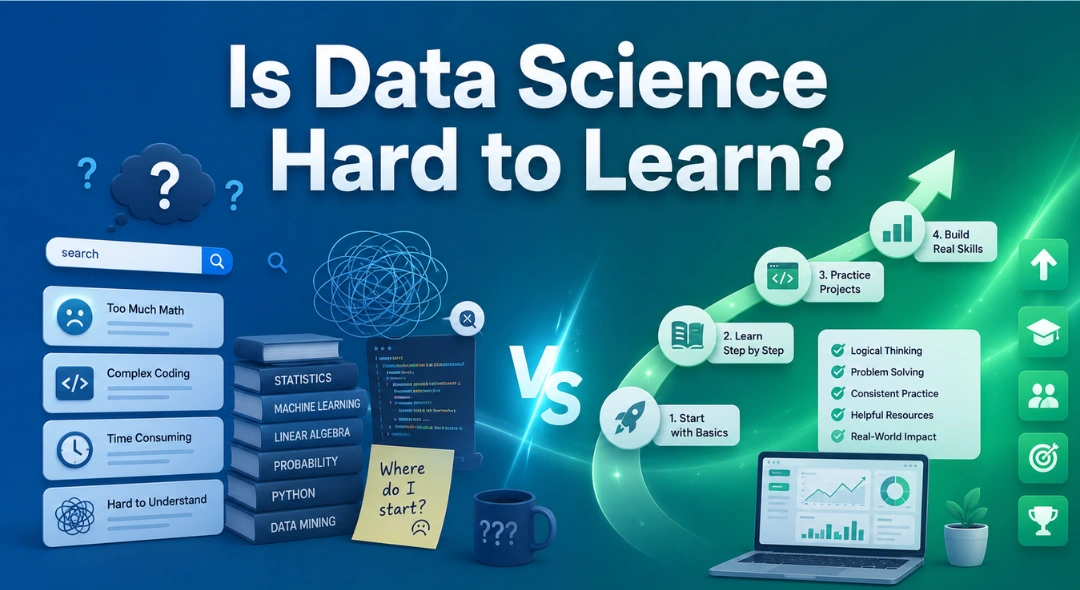
Is Data Science Hard to Learn? If you’ve ever searched “is data science hard,” you already know the internet isn’t much help. …
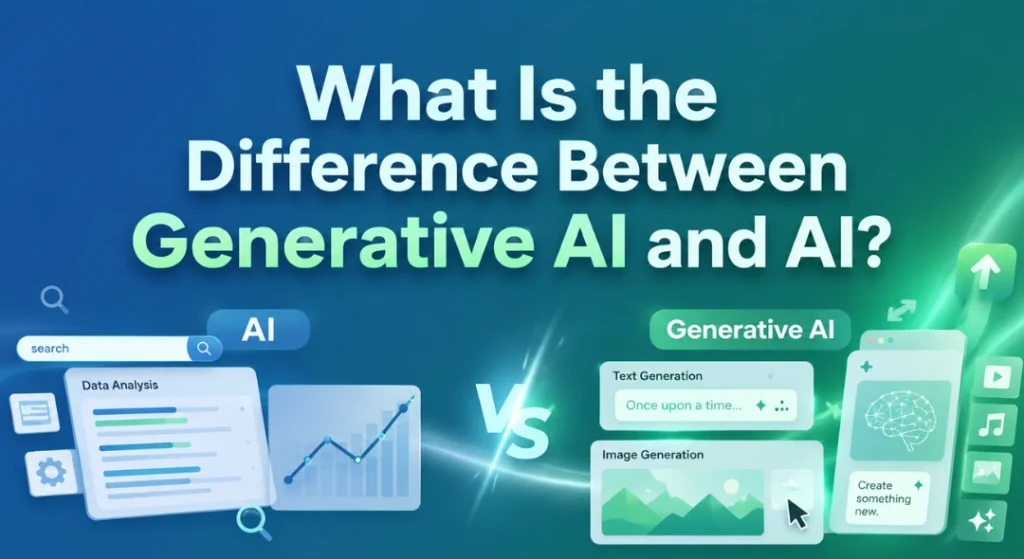
What Is the Difference Between Generative AI and AI?
If you’ve spent any time online lately, you’ve probably noticed two terms being used almost interchangeably: AI and generative AI. People say “AI wrote this essay” or “I used AI to make this image,” often without realizing these are actually two different (though related) things. It’s a bit like how people say “tissue” when they mean a specific brand, the words get mixed up so often that the actual meaning gets blurry.
So let’s clear it up. What exactly is the difference between artificial intelligence and generative AI, and why does it matter? By the end of this, you’ll be able to explain it confidently, maybe even correct a friend or two.

What Is Artificial Intelligence, Really?
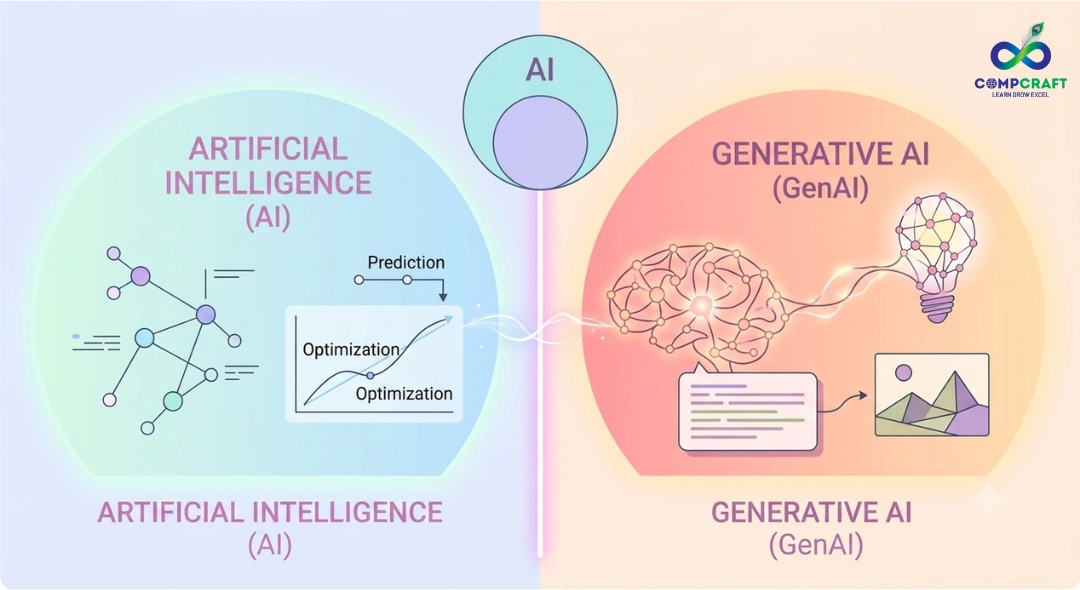
Artificial intelligence, or AI, is a broad term. It refers to any system or machine designed to perform tasks that normally require human intelligence, things like recognizing patterns, making decisions, understanding language, or solving problems. Artificial intelligence AI isn’t one single technology; it’s an entire field that includes many different approaches and tools.
Think of AI as the umbrella term, like “vehicles.” Cars, bikes, trucks, and scooters all fall under that umbrella, but they’re each very different in what they do and how they work. Similarly, AI intelligence includes everything from spam filters and recommendation systems to voice assistants and self-driving cars.
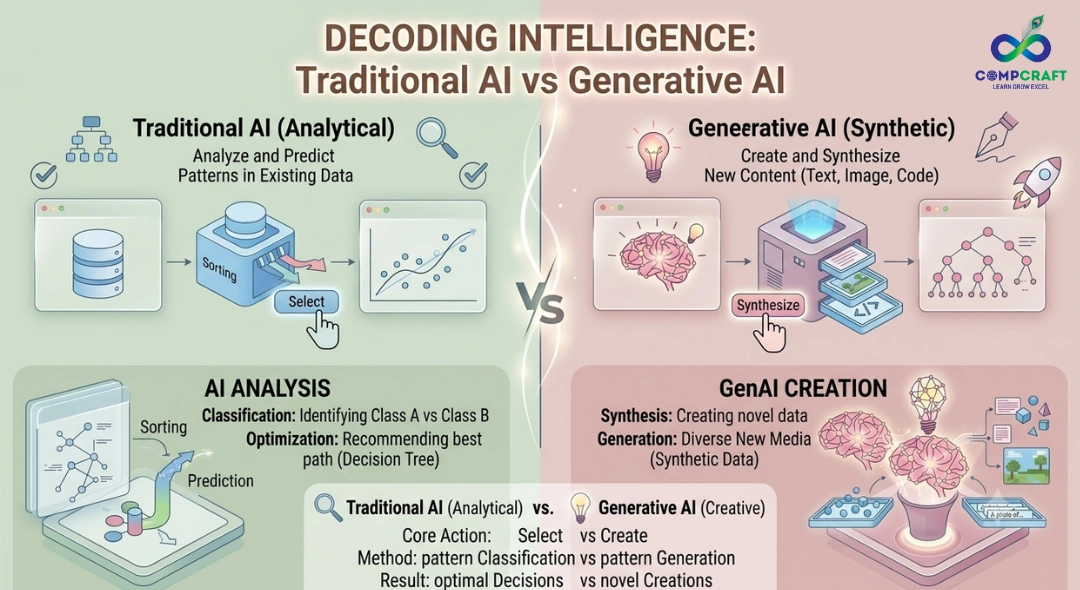
For example, when your email automatically sorts spam into a separate folder, that’s AI. When a banking app flags an unusual transaction, that’s AI too. These systems are trained to recognize patterns and make decisions, but they’re not creating anything new, they’re analyzing, sorting, and predicting.
So What Makes Generative AI Different?
Generative AI is a specific type of artificial intelligence, a smaller category within that larger umbrella. Instead of just analyzing or sorting existing information, generative AI creates new content, text, images, music, code, or even video, based on patterns it has learned from huge amounts of data.
Here’s a simple way to picture the difference: imagine a librarian versus an author. A traditional AI system acts like a librarian, brilliant at organizing, searching, and retrieving information quickly and accurately. Generative AI, on the other hand, acts more like an author. It studies patterns in language, style, and structure, then uses that knowledge to write something entirely new, a poem, an email, a piece of code, or even a realistic-looking image that never existed before.
This is exactly why tools like ChatGPT have become so popular. A ChatGPT course in South Mumbai isn’t teaching people how to search a database; it’s teaching them how to prompt a system that generates fresh, original responses based on what you ask.
A Simple Everyday Example
Let’s say you want help writing a birthday message for a friend. A traditional AI tool might search through a database of pre-written templates and suggest the closest match. A generative AI tool, however, can actually write a brand-new message from scratch, tailored to the details you give it, your friend’s name, their personality, even an inside joke, producing something that’s never existed before in exactly that form.
This creative ability is what sets generative AI apart. It’s not just retrieving information; it’s producing something original based on everything it has learned.
Types of Generative AI Tools You Should Know
Generative AI isn’t just one tool, it’s a growing category with several different types, each suited for different tasks. Here are some of the most common ones:
Text generators. Tools like ChatGPT fall into this category, capable of writing essays, answering questions, summarizing documents, or even helping with coding. These tools are trained on massive amounts of text and can hold conversations, explain concepts, or draft content almost instantly.
Image generators. Tools that create images from simple text descriptions. Type “a cat wearing a space helmet sitting on the moon,” and within seconds, you get a unique image matching that description, something that didn’t exist until you asked for it.
Voice and audio generators. These tools can generate realistic speech, music, or sound effects. Some can even mimic specific voices or tones, which is increasingly used in content creation, dubbing, and accessibility tools.
Video generators. A newer and rapidly growing category, these tools can create short video clips based on text prompts or images, useful for marketing, storytelling, and content creation without needing expensive equipment.
Code generators. These tools help write, debug, or explain programming code based on simple instructions, making them especially popular among developers and students learning to code.
Each of these tools relies on the same basic idea: learning patterns from existing data, then using that knowledge to generate something new, rather than simply searching for an existing answer.
Why This Distinction Actually Matters
Understanding the difference between AI in general and generative AI specifically isn’t just a technical detail, it changes how you use these tools effectively. If you’re trying to organize data or find specific information quickly, a traditional AI-powered search tool is probably what you need. But if you’re trying to create something, a draft, a design, an image, or even a brainstorm of ideas, generative AI is the better fit.
This distinction is also why interest in learning these tools properly has grown so quickly. People are no longer satisfied with just using AI casually; they want to understand how to use it well, whether that means learning prompt techniques, understanding limitations, or knowing which type of tool fits which task.
Learning These Skills Practically
Given how fast this space is moving, more people are looking for structured ways to learn rather than just experimenting on their own. This has led to growing interest in options like an AI course in Charni Road, where beginners can get hands-on guidance instead of relying purely on YouTube tutorials.
For those in South Mumbai specifically, there are increasingly accessible choices, including an AI course in Charni Road Mumbai, a generative AI course near me search away for many residents, and even programs in the AI course in Marine Drive area for those nearby. These courses often go beyond just theory, focusing on practical, hands-on use of tools people actually encounter daily.
For complete beginners, ai tools training for beginners Mumbai programs are particularly useful, since they start from the basics, what AI actually is, how generative tools work, and how to use them responsibly, before moving into more advanced applications. And given how widely used conversational AI has become, a dedicated ChatGPT course in South Mumbai can help learners go from casually typing questions to actually using the tool strategically for writing, research, and problem-solving.
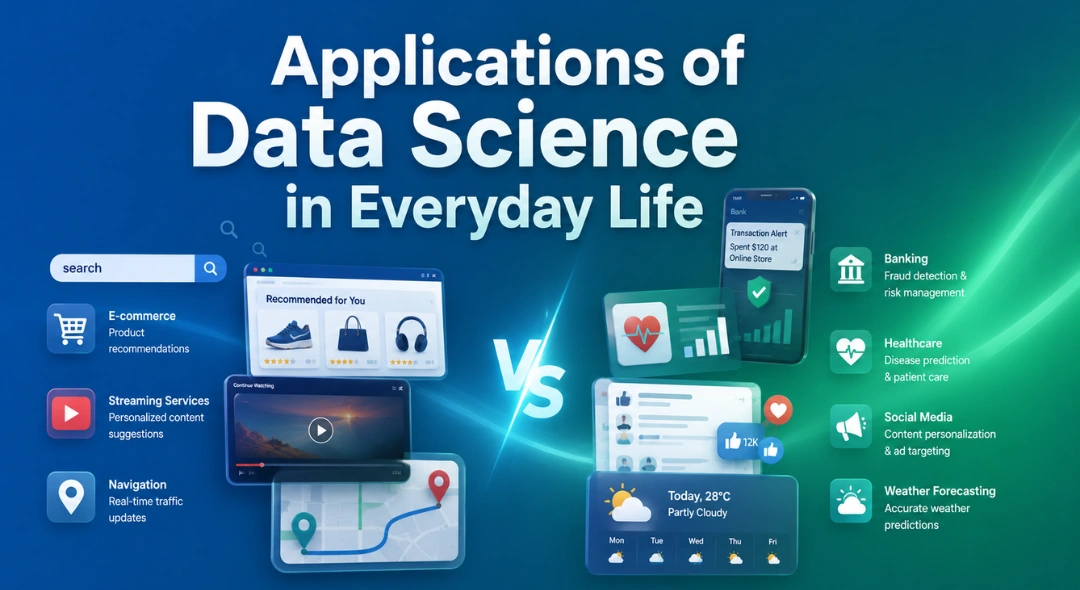
Applications of Data Science in Everyday Life Most people think data science is something that only happens inside huge tech companies or …
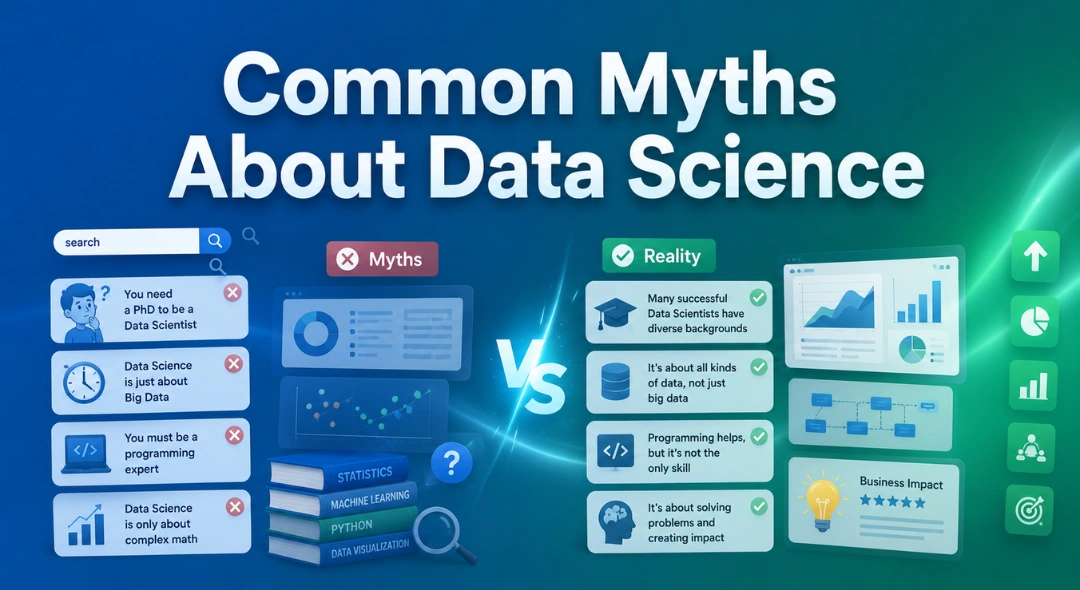
Common Myths About Data Science Data science has become one of those buzzwords that almost everyone has heard, but not everyone fully …
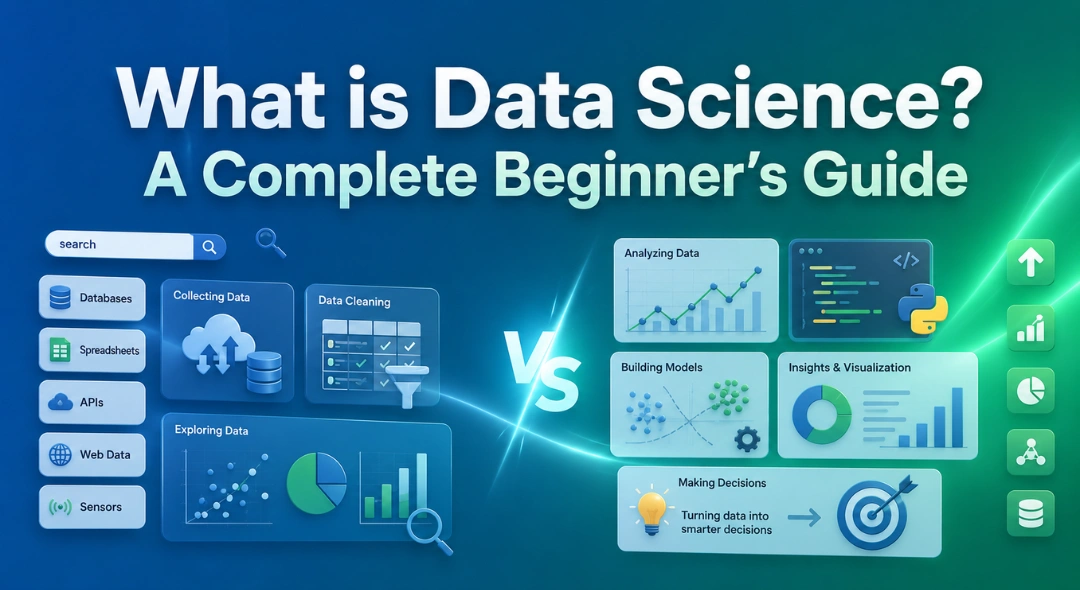
What is Data Science? A Complete Beginner’s Guide If you’ve spent any time online in the last few years, chances are you’ve …
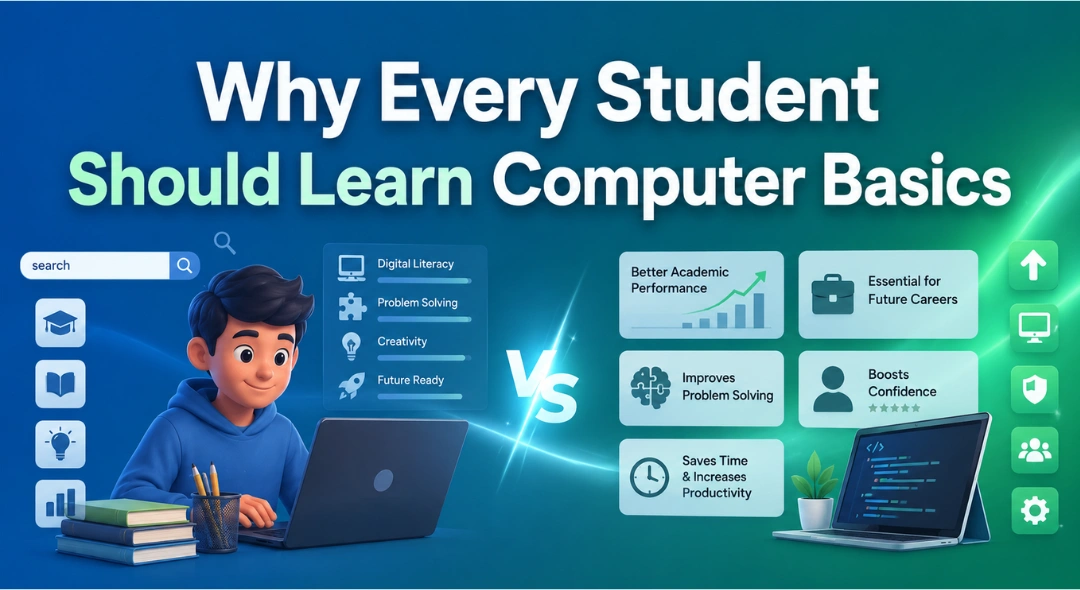
Why Every Student Should Learn Computer Basics Walk into almost any classroom today, and you’ll spot laptops, tablets, or smartboards being used …
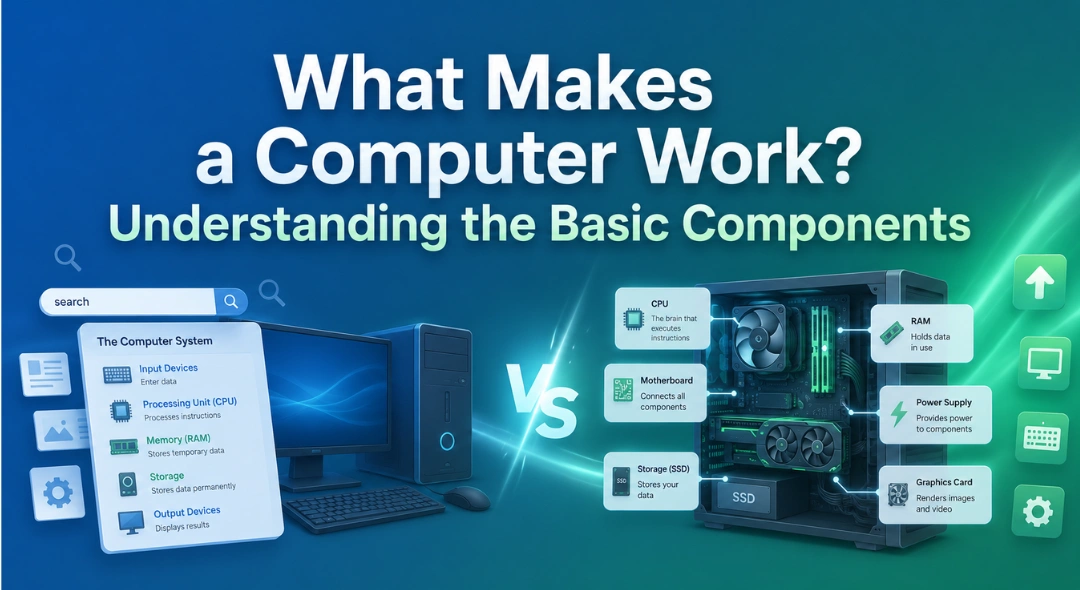
What Makes a Computer Work? Understanding the Basic Components Most of us use a computer every single day, typing emails, browsing the …
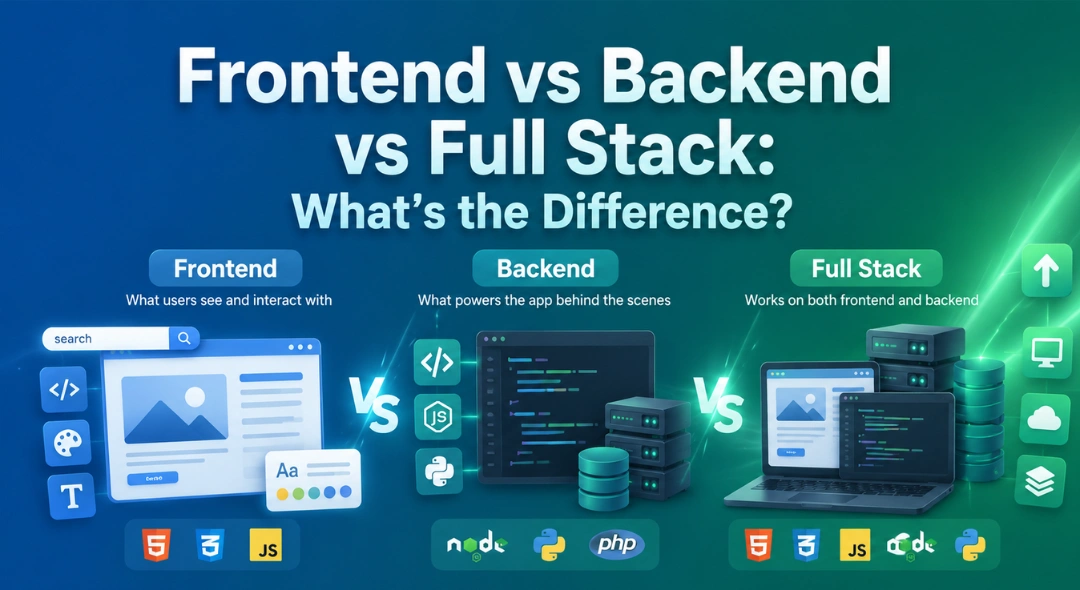
Frontend vs Backend vs Full Stack: What’s the Difference? If you’re exploring a career in software development, you’ve scrolled through job listings …

Every business from a small store in South Mumbai to a large company runs on numbers. But have you ever wondered how …
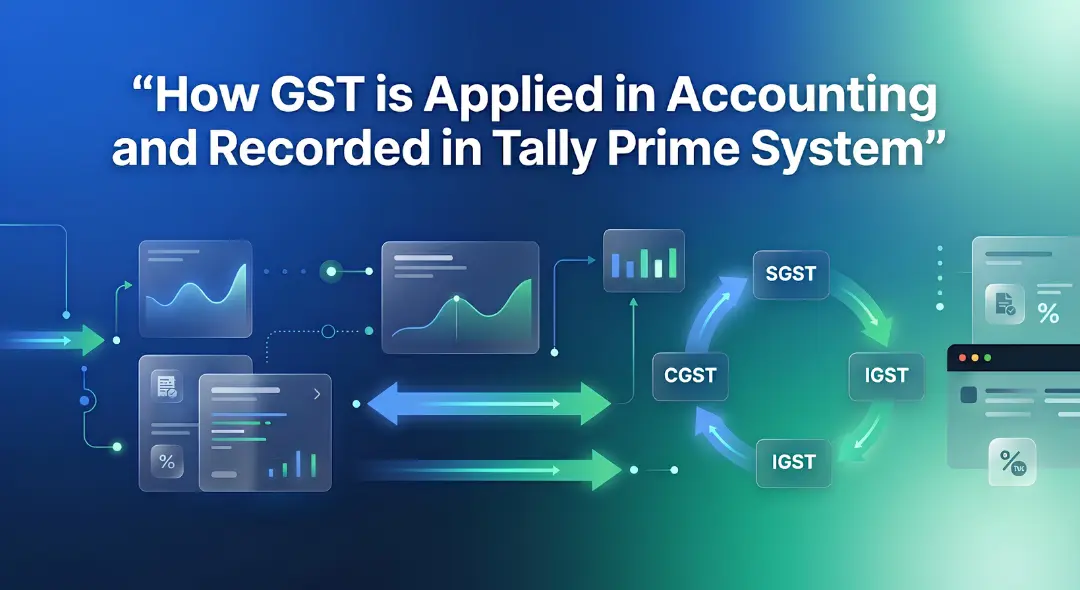
Hey everyone! If you have ever walked into a shop in Mumbai, bought a laptop, or even ordered food online, you have …

If you are new to business or managing accounts in Mumbai, you have probably heard the term ledger quite often. It sounds …

Introduction Have you ever bought a smartphone from an electronics shop and received a printed paper showing the amount you paid along …
Introduction: The Hidden World Behind Your Screen If you pick up your phone right now, what is the first app you will …

Every morning most of us in Mumbai wake up and instinctively reach for our phones. We check WhatsApp scroll through train updates …
Every week at our center I get the exact same question from students. They walk in look at the course list and …
Have you ever wondered what happens behind the scenes of your apps like Instagram, Spotify, or Netflix? Every time you scroll through …

If you want to get into the data analytics field or if you want to improve your skills you probably have a …
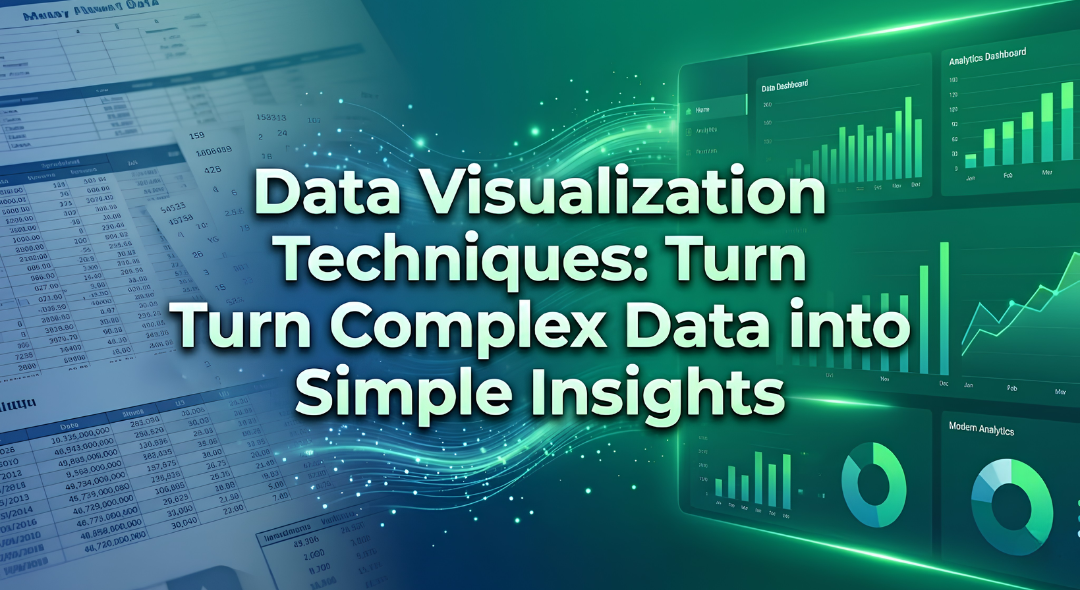
Imagine you are sitting in a boardroom or staring at a laptop screen looking at a spreadsheet with 10,000 rows of raw …
If you have spent any time on Instagram, LinkedIn or any other new platform that has come up, you have probably noticed …
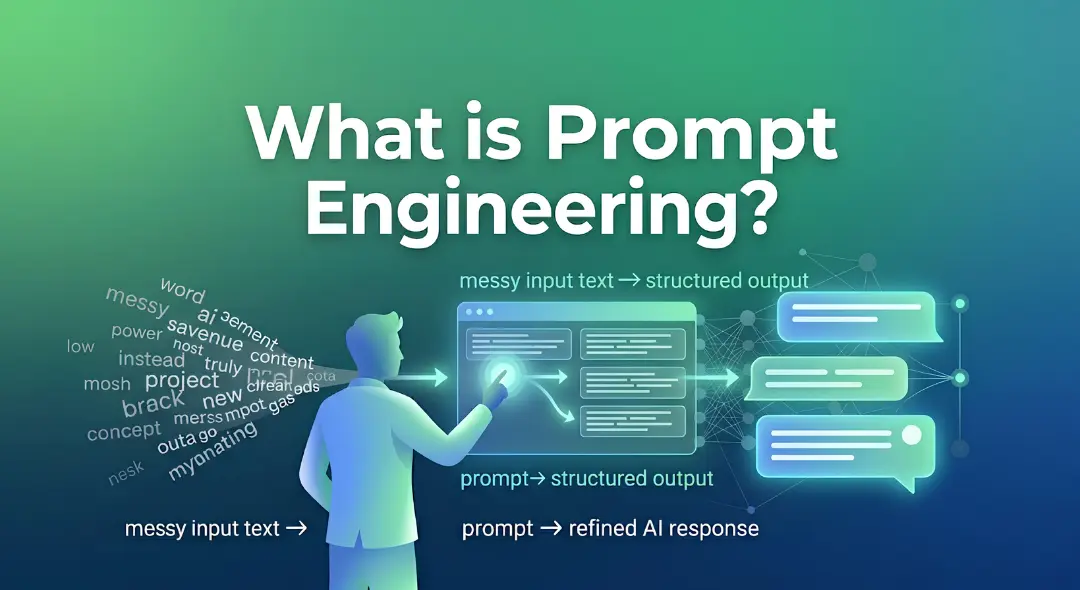
Think about the last time you asked someone for directions and ended up completely lost. It wasn’t because they didn’t know the …
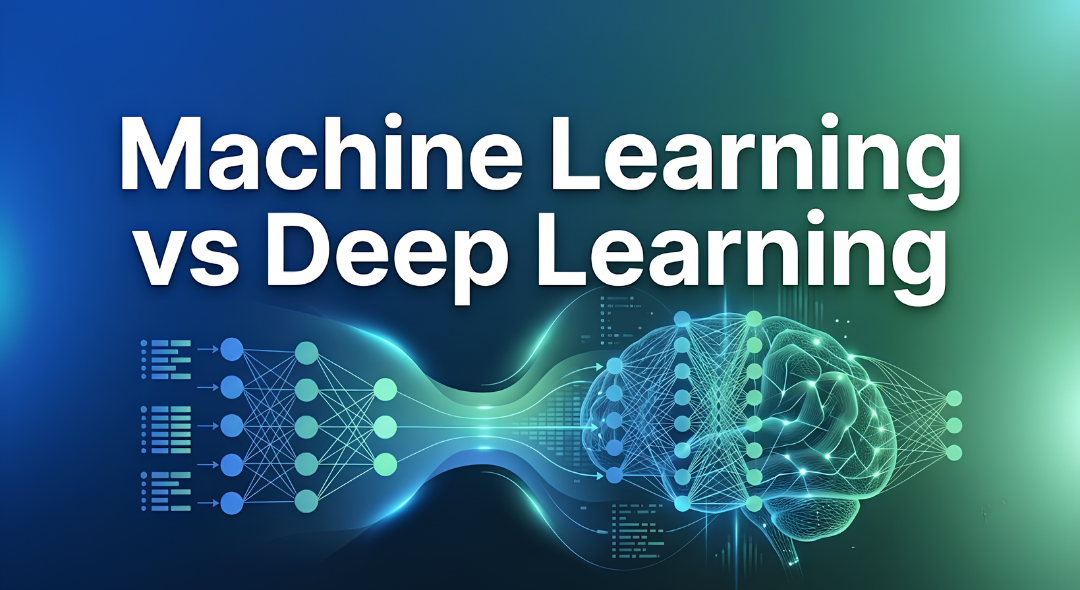
Have you ever wondered why your phone can instantly unlock by looking at your face while a traditional computer program still struggles …