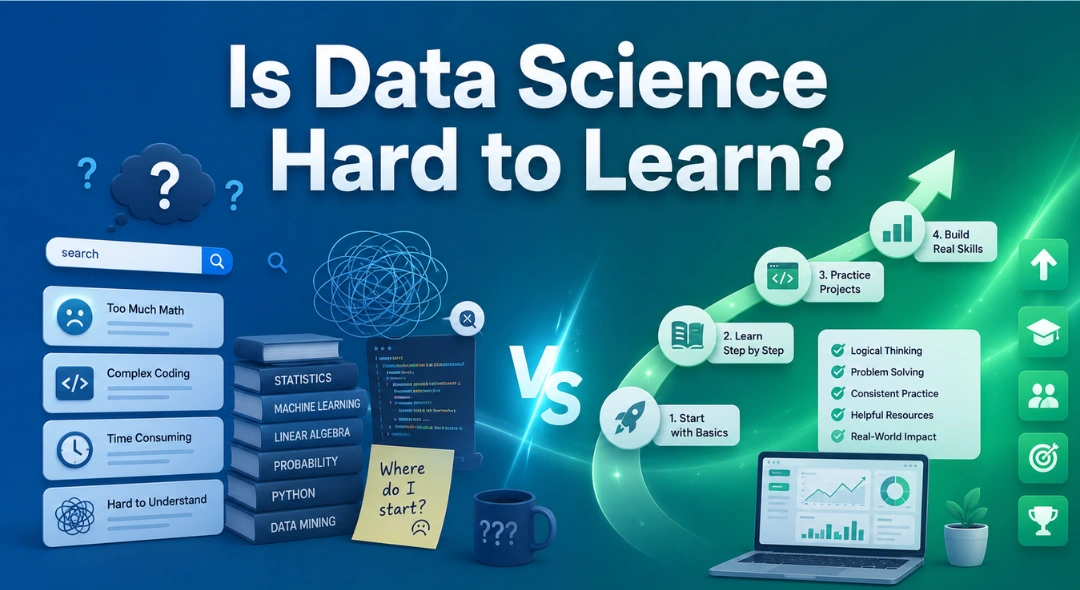
Is Data Science Hard to Learn? If you’ve ever searched “is data science hard,” you already know the internet isn’t much help. …
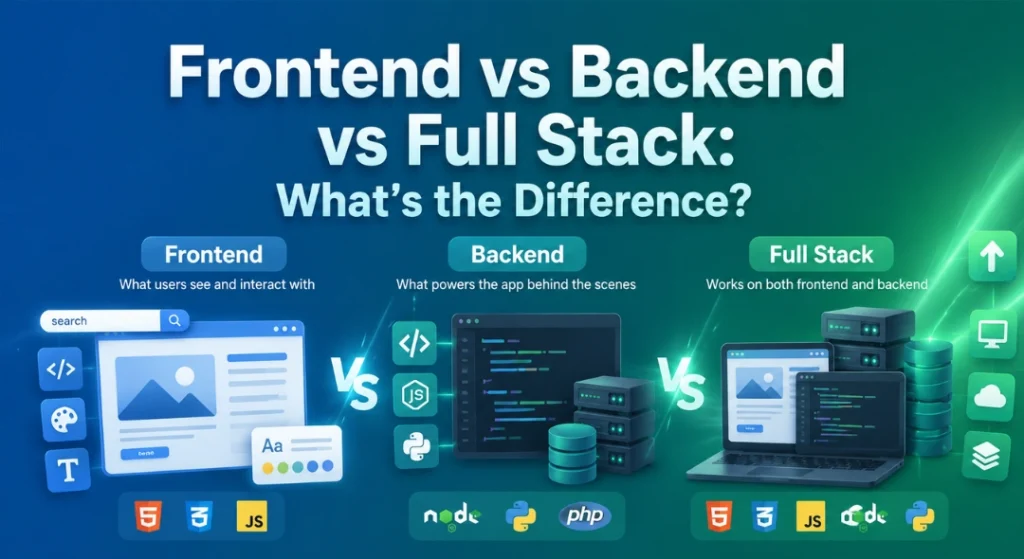
Frontend vs Backend vs Full Stack: What’s the Difference?
If you’re exploring a career in software development, you’ve scrolled through job listings or chatted with someone learning to code, you’ve probably come across these three terms: frontend, backend, and full stack. They get thrown around so casually that it’s easy to nod along without really knowing what each one means. But understanding the difference is actually pretty simple once you break it down, and it can help a lot if you’re trying to figure out which path makes sense for you.
Let’s walk through it in plain language, with examples that make it click.
Think of a Restaurant
The easiest way to understand frontend versus backend is to picture a restaurant. When you walk in, you see the dining area, the menu, the tables, the lighting, the way the waiter greets you. That’s the part designed for you, the customer, to interact with directly. This is essentially what frontend development is.
But behind that swinging kitchen door, there’s a whole different operation happening. Chefs are cooking, ingredients are being managed, orders are being processed, and the kitchen is running efficiently so that your food actually arrives at your table. You don’t see any of it, but without it, the restaurant simply wouldn’t function. This is backend development.
A full stack developer, then, is like someone who understands both sides, they can wait tables and cook the food. They’re not necessarily an expert chef or an expert host, but they know enough about both ends to make the whole system work together.
What Exactly Is Frontend Development?
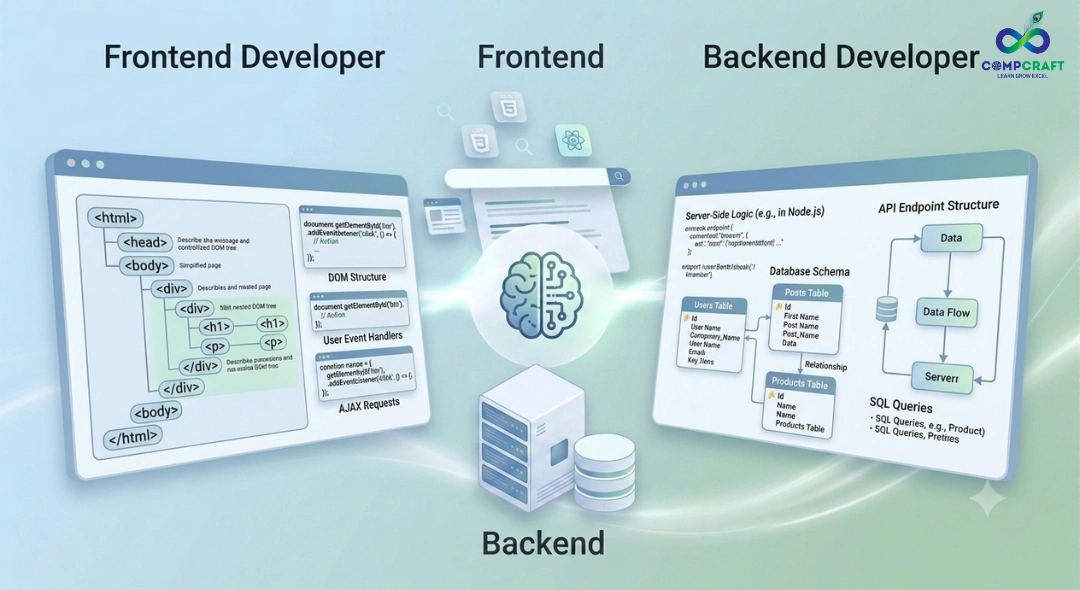
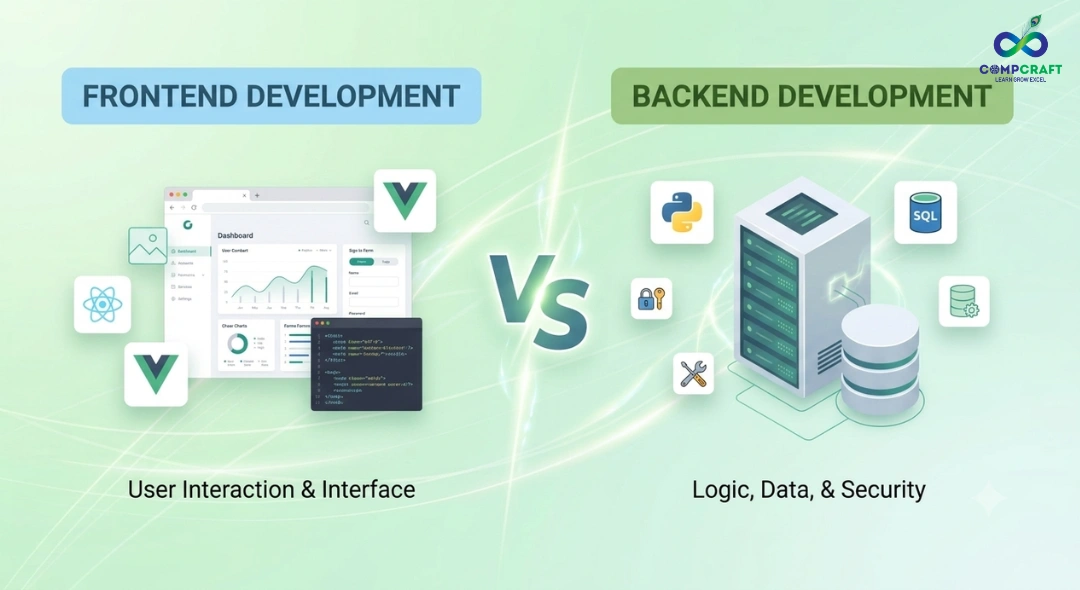
Frontend development is everything a user sees and interacts with on a website or app. The colors, layout, buttons, menus, and how smoothly things move when you click or scroll, all of that falls under frontend work.
For example, when you open an app like Instagram and tap the heart icon to like a photo, the animation that pops up, the smooth scroll through your feed, and the way the page rearranges itself on your phone screen versus your laptop, that’s all frontend. A frontend developer focuses heavily on user experience: making sure things look good and feel intuitive to use.
Common tools in this space include HTML, CSS, and JavaScript, along with frameworks built on top of them. It’s a field that blends a bit of design thinking with actual coding, which is why people who enjoy both visuals and logic often gravitate toward it.
What Exactly Is Backend Development?
Backend development, on the other hand, handles everything happening behind the scenes. When you log into a website, the backend checks your username and password against a database. When you place an order online, the backend processes the payment, updates inventory, and sends confirmation details.
Sticking with the Instagram example: when you upload a photo, the backend is responsible for storing that image, making sure it loads quickly for your followers, handling notifications, and keeping everything secure. None of this is visible to you, but it’s what makes the app actually function.
Backend developers typically work with languages like Python, Java, or others, along with databases and servers. This is often where a computer programmer spends time thinking about logic, security, and how to handle large amounts of data efficiently, less about how things look, more about how things work.
What About Full Stack?
Full stack development simply means being comfortable working on both sides, frontend and backend. A full stack developer can build the visual interface a user sees and also handle the server-side logic that powers it.
This doesn’t necessarily mean someone is equally expert at everything; most full stack developers have a side they’re stronger in, but they understand enough of the other side to build a complete project independently. Think of it like someone who can both design a restaurant’s interior and run its kitchen reasonably well, maybe not award-winning at either, but capable of handling the whole operation if needed.
For startups or small projects, full stack developers are especially valuable since hiring separate specialists for every layer isn’t always practical. Being able to build an entire product from start to finish is a serious advantage in smaller teams.
A Simple Everyday Example
Let’s say you’re using a food delivery app. You open the app, browse restaurants, and tap “Order Now.” That tap, the smooth animation, the way the cart updates instantly, is frontend work. The moment you tap “Order Now,” though, several backend processes kick in: confirming your payment, alerting the restaurant, calculating delivery time based on traffic data, and updating the order status in real time.
Neither side could function well without the other. A beautiful, smooth-looking app is useless if orders don’t actually get processed correctly. And a perfectly functioning backend means nothing if users find the app confusing or ugly to navigate. That’s exactly why both fields matter, and why full stack developers, who understand this entire flow, are in such high demand.
Which Software Development Path Should You Learn?
If you’re just starting to explore coding, this is probably the question on your mind. The honest answer: it depends on what excites you.
If you enjoy design, colors, layouts, and thinking about how something feels to use, frontend might suit you better. If you enjoy logic, structure, and figuring out how systems work behind the scenes, backend could be a better fit. And if you like the idea of understanding the whole picture, building something from start to finish, full stack development might be worth exploring.
A good starting point for many beginners is learning Python, since it’s used heavily in backend development and also serves as a gentle, beginner-friendly introduction to programming logic in general. Many people start with basic software programming course options before deciding which direction, frontend, backend, or full stack, feels right for them.
Learning Locally: A Practical Option
If you’re someone who prefers learning in person rather than entirely through online videos, there are local options worth considering too. For those based in Mumbai, there are several choices for python classes near Charni Road, along with general coding classes near Charni Road station for people just getting started with programming basics.
If you’re specifically interested in building real Python skills, options for python coaching in Charni Road are increasingly common, often structured for complete beginners. And if your goal is to eventually build full websites or apps, rather than just learning a single language, a web development course in Charni Road can help connect the dots between frontend, backend, and how they work together in practice.
More broadly, if you’re exploring this field in South Mumbai, you’ll find a range of options under software programming course in South Mumbai, covering everything from basic coding fundamentals to more focused frontend or backend tracks. A few local institutes, including CompCraft, offer this kind of structured, beginner-friendly programming training in the area, which can be a helpful option for people who like having someone to ask questions to in person rather than figuring everything out alone.
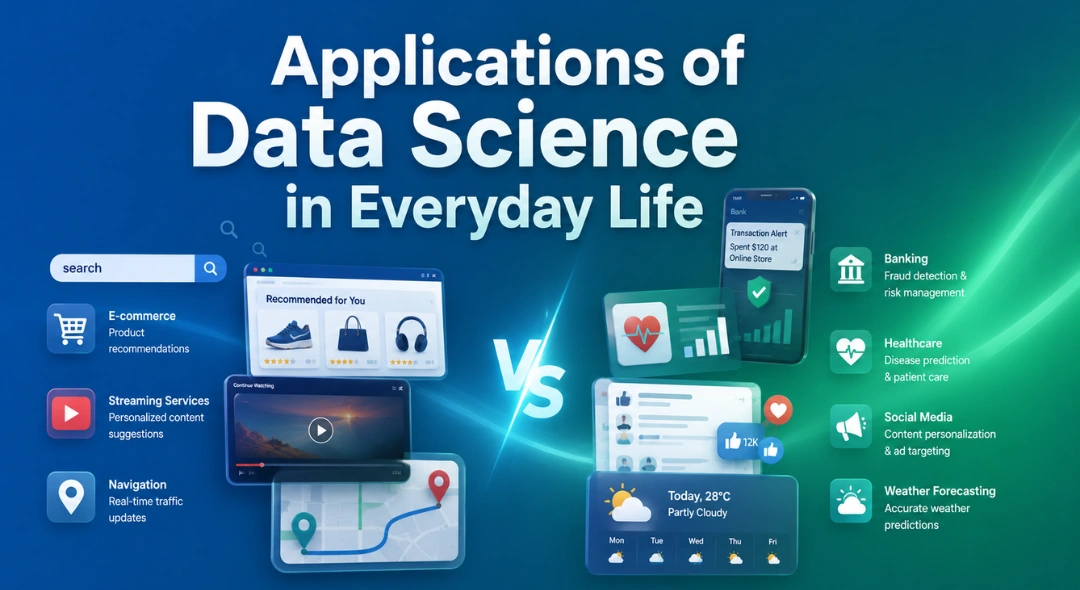
Applications of Data Science in Everyday Life Most people think data science is something that only happens inside huge tech companies or …
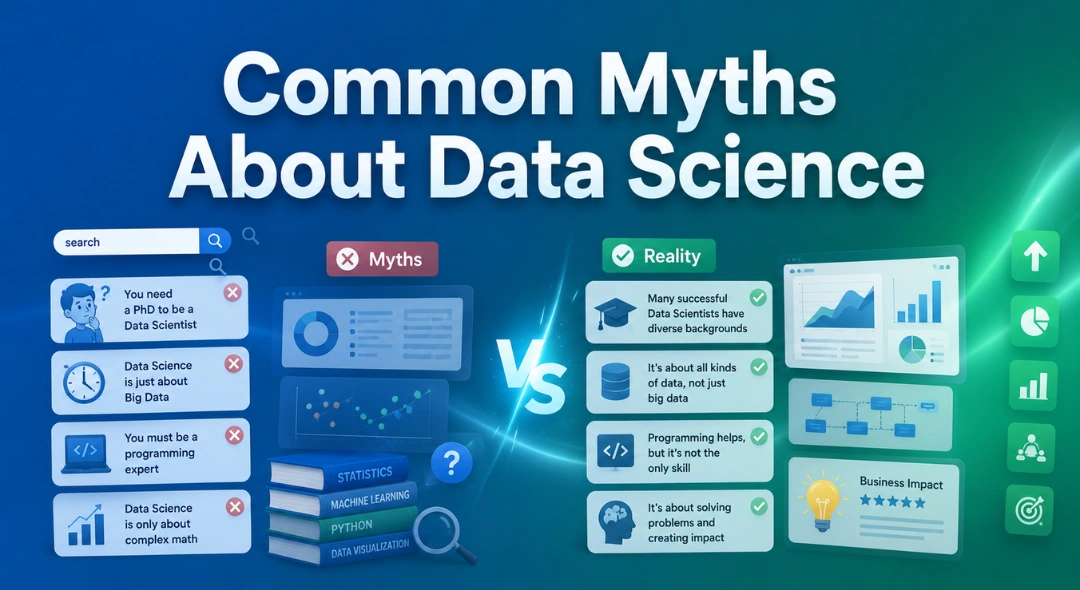
Common Myths About Data Science Data science has become one of those buzzwords that almost everyone has heard, but not everyone fully …
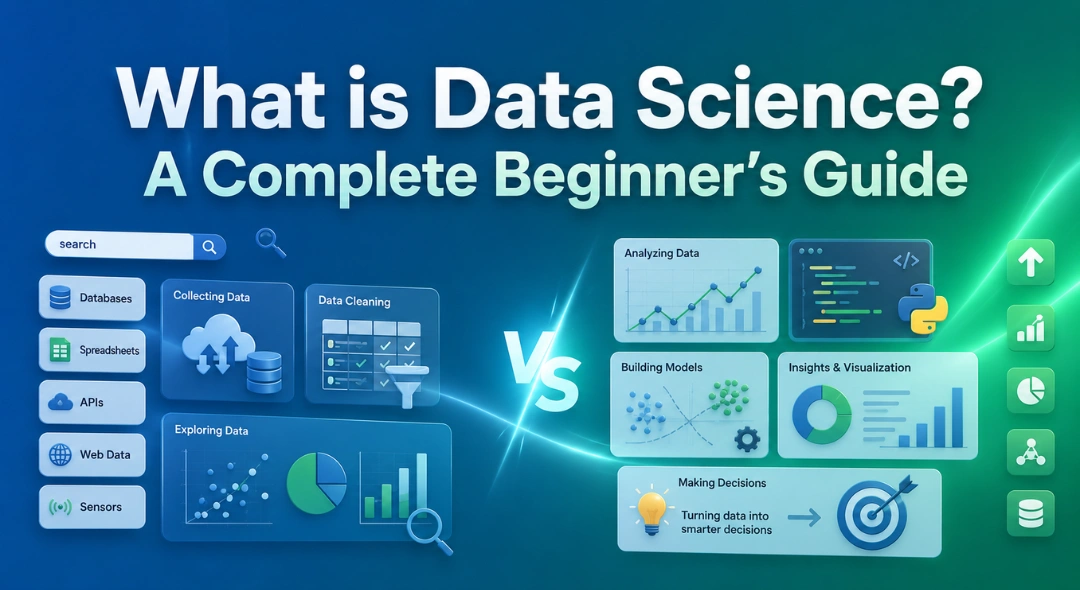
What is Data Science? A Complete Beginner’s Guide If you’ve spent any time online in the last few years, chances are you’ve …
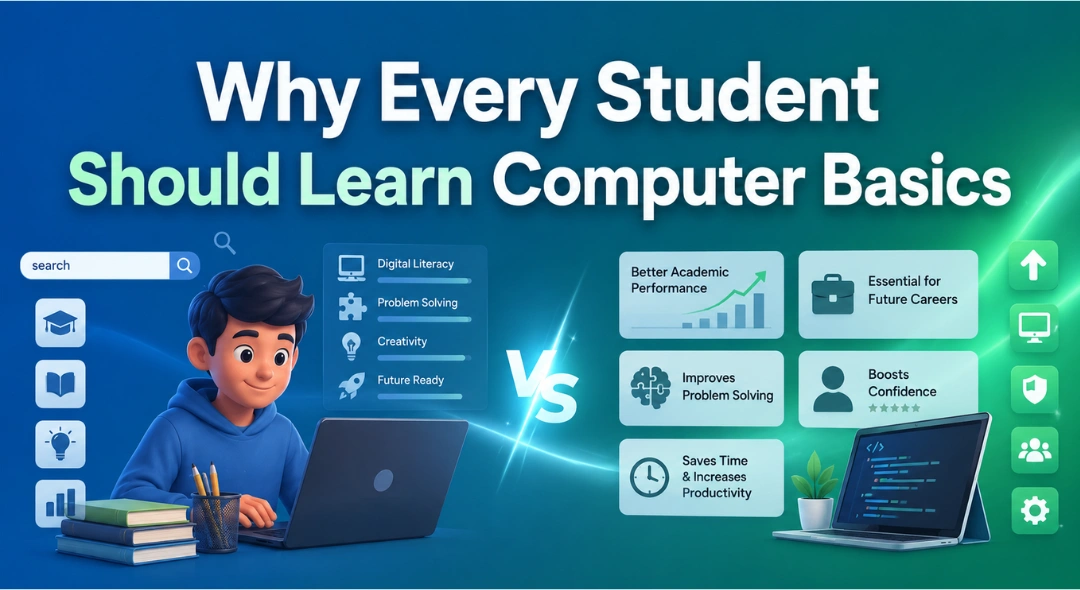
Why Every Student Should Learn Computer Basics Walk into almost any classroom today, and you’ll spot laptops, tablets, or smartboards being used …
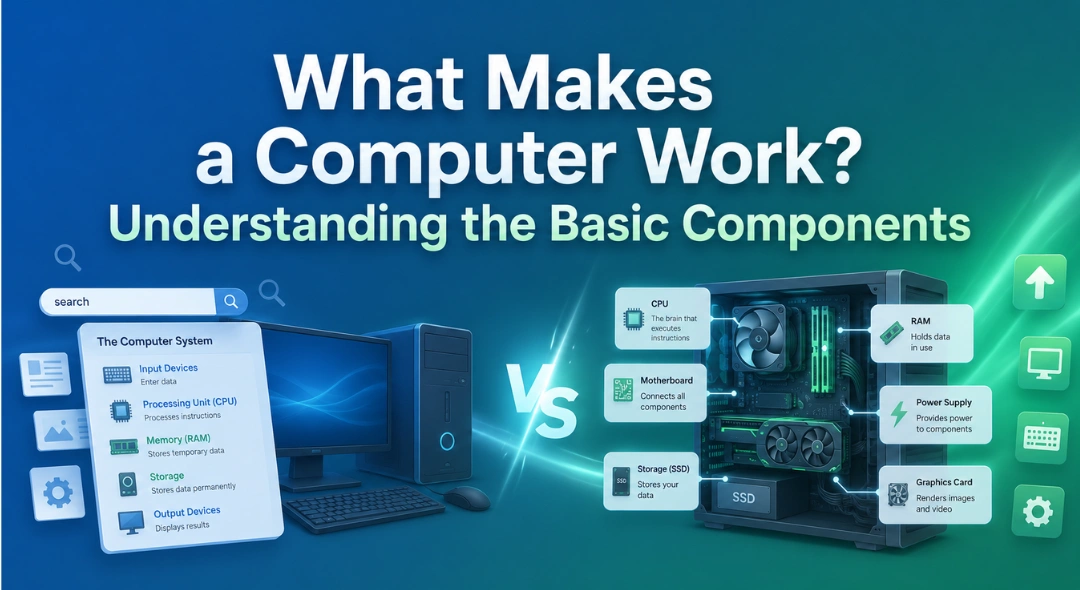
What Makes a Computer Work? Understanding the Basic Components Most of us use a computer every single day, typing emails, browsing the …
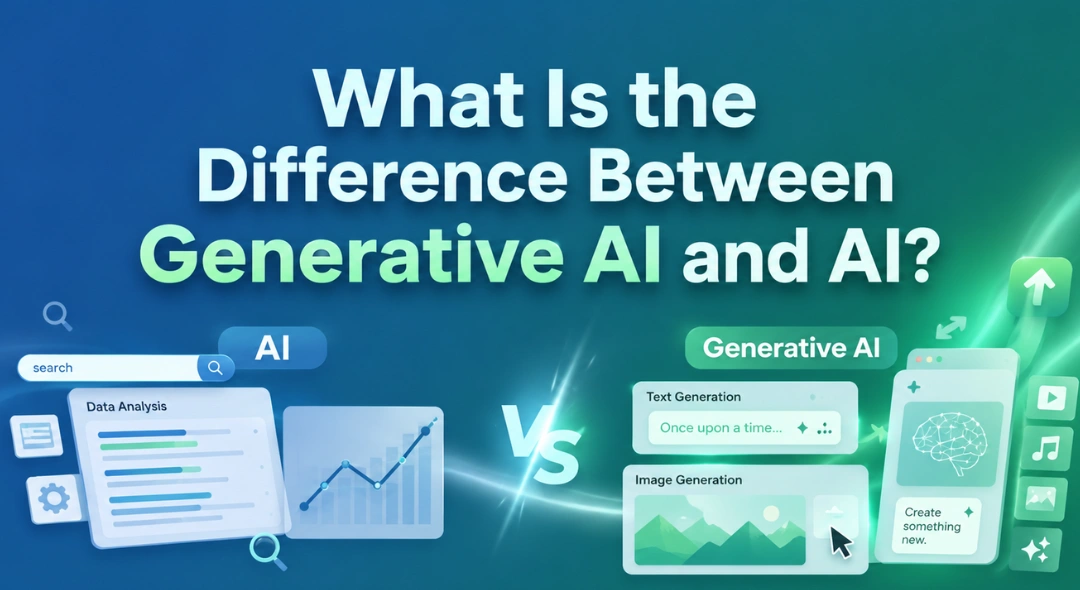
What Is the Difference Between Generative AI and AI? If you’ve spent any time online lately, you’ve probably noticed two terms being …
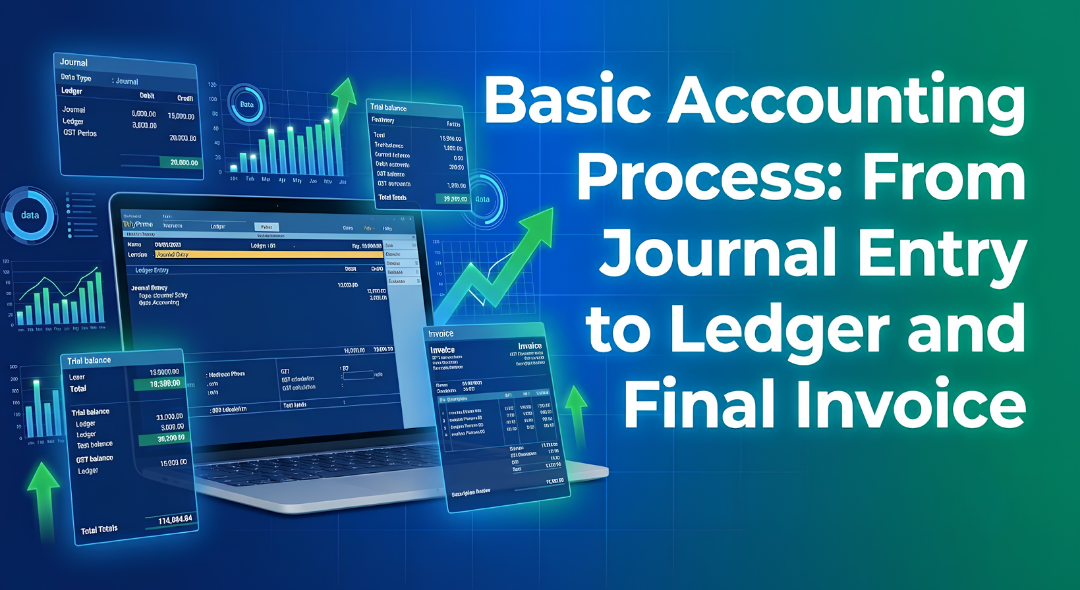
Every business from a small store in South Mumbai to a large company runs on numbers. But have you ever wondered how …
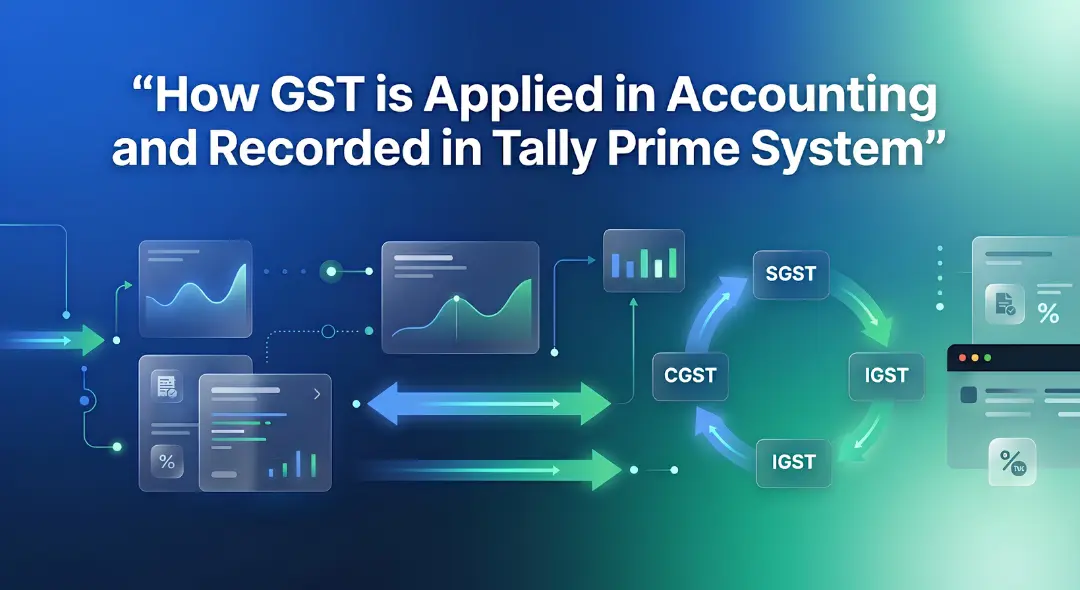
Hey everyone! If you have ever walked into a shop in Mumbai, bought a laptop, or even ordered food online, you have …
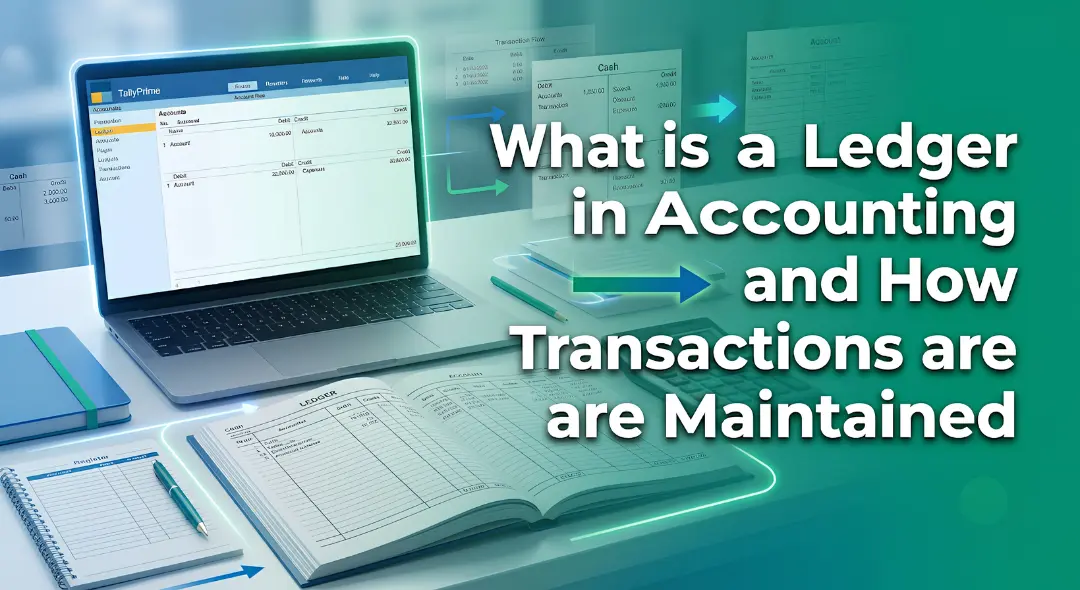
If you are new to business or managing accounts in Mumbai, you have probably heard the term ledger quite often. It sounds …
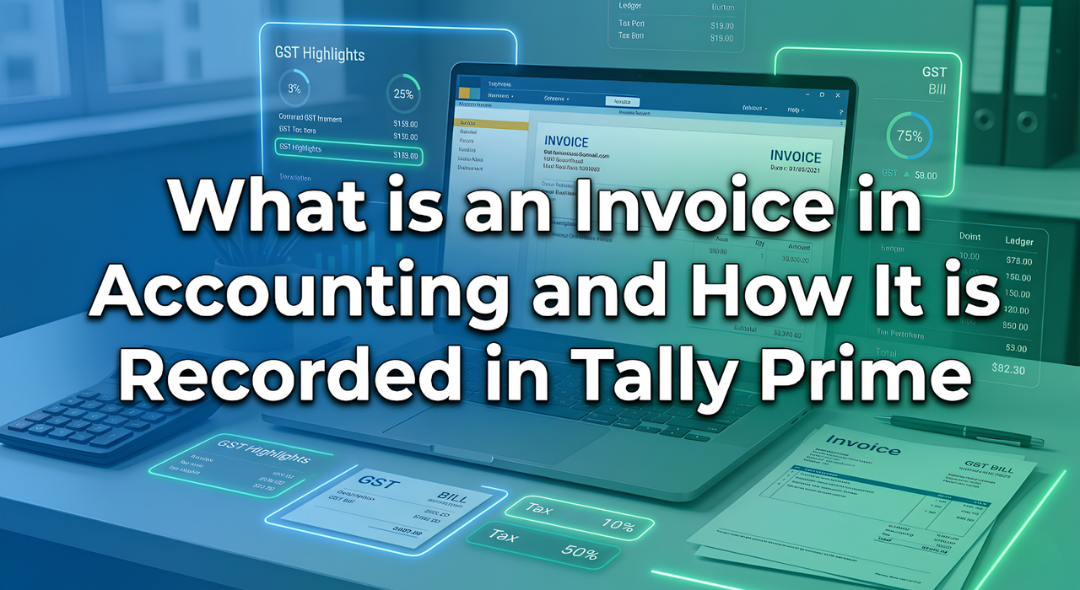
Introduction Have you ever bought a smartphone from an electronics shop and received a printed paper showing the amount you paid along …
Introduction: The Hidden World Behind Your Screen If you pick up your phone right now, what is the first app you will …
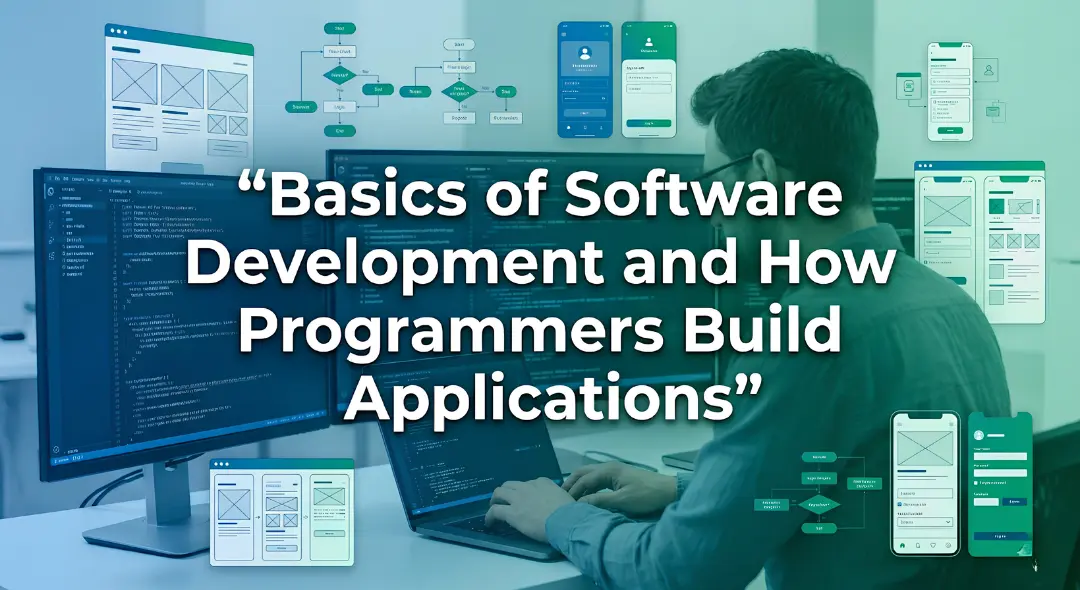
Every morning most of us in Mumbai wake up and instinctively reach for our phones. We check WhatsApp scroll through train updates …
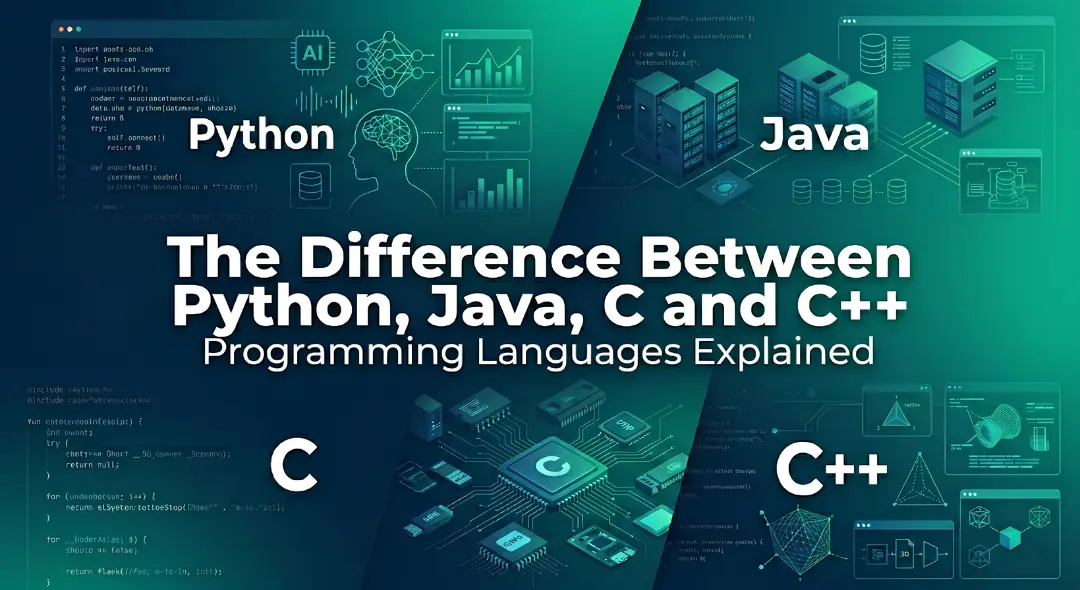
Every week at our center I get the exact same question from students. They walk in look at the course list and …
Have you ever wondered what happens behind the scenes of your apps like Instagram, Spotify, or Netflix? Every time you scroll through …
If you want to get into the data analytics field or if you want to improve your skills you probably have a …
Imagine you are sitting in a boardroom or staring at a laptop screen looking at a spreadsheet with 10,000 rows of raw …
If you have spent any time on Instagram, LinkedIn or any other new platform that has come up, you have probably noticed …
Think about the last time you asked someone for directions and ended up completely lost. It wasn’t because they didn’t know the …
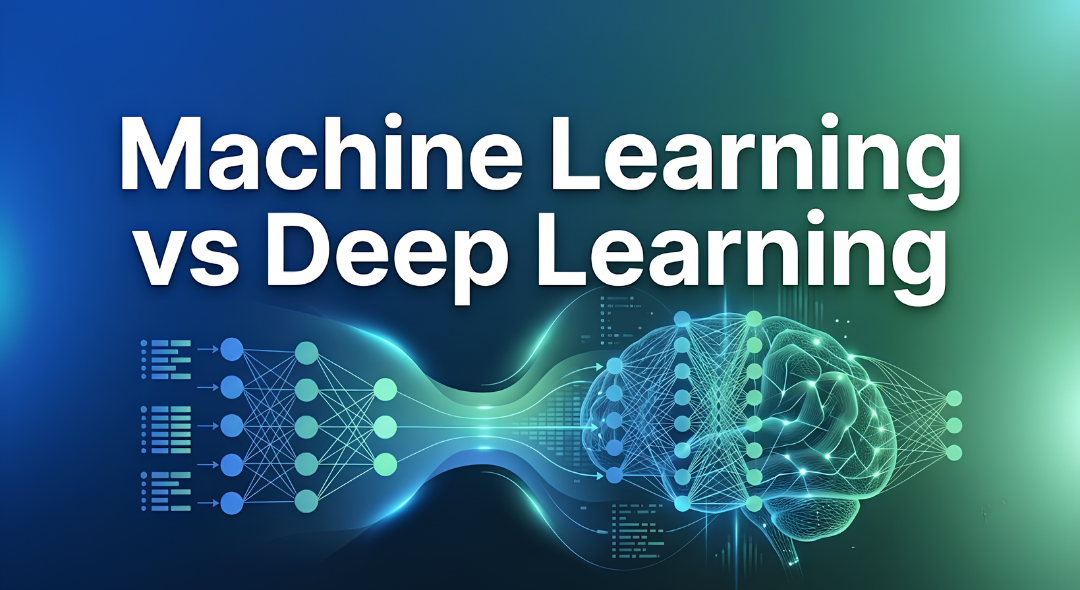
Have you ever wondered why your phone can instantly unlock by looking at your face while a traditional computer program still struggles …