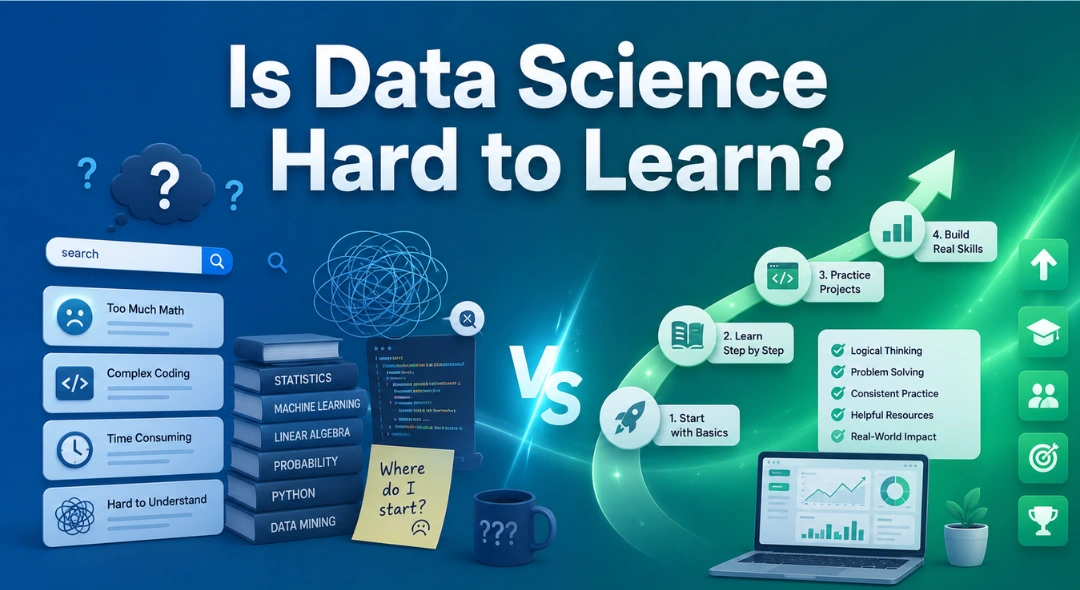
Is Data Science Hard to Learn? If you’ve ever searched “is data science hard,” you already know the internet isn’t much help. …
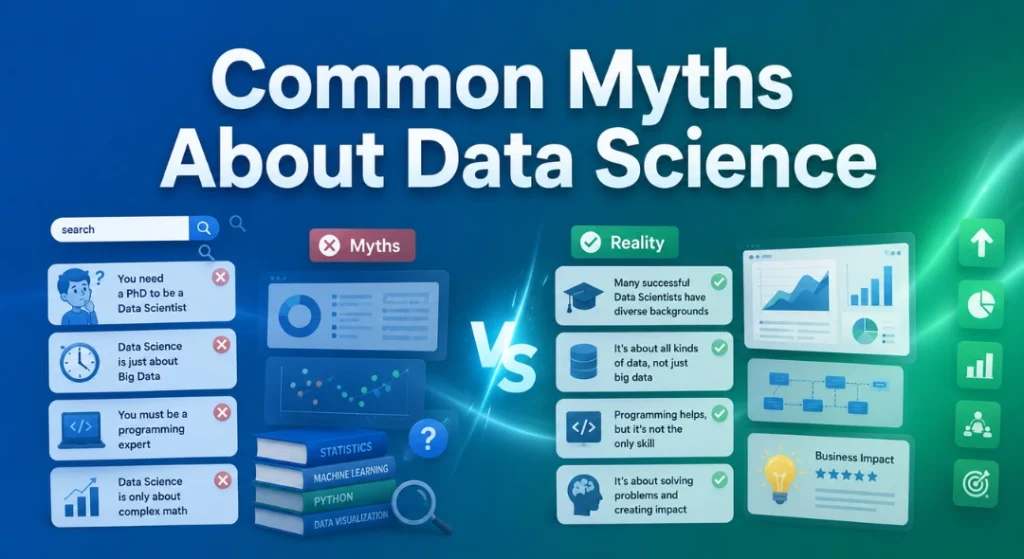
Common Myths About Data Science
Data science has become one of those buzzwords that almost everyone has heard, but not everyone fully understands. Ask ten people what data science actually involves, and chances are you’ll get ten different answers. Some will be accurate, while others will be based on common misconceptions. Because of this, plenty of myths have developed around the field. These myths often discourage beginners from getting started and sometimes even give experienced professionals the wrong impression of what working in data science is really like.
So, let’s separate fact from fiction. Whether you’re planning to enroll in a data science course or you’re simply curious about why everyone is talking about it, here are some of the biggest myths about data science—and the reality behind them.
Myth 1: “You Need to Be a Math Genius”
This is probably the most common myth, and it’s one of the biggest reasons many people never take the first step.
Yes, maths for data science is important. You’ll come across concepts like statistics, probability, and even a bit of linear algebra. But that doesn’t mean you need to be a mathematical genius or the next Einstein to succeed.
Think of it this way. You don’t need to be a chemist to bake a cake, but knowing why baking soda makes it rise certainly helps. Data science works in much the same way. Data science statistics is something you build over time, not something you’re expected to master on day one.
Most beginner-friendly data science and analytics courses teach data science maths gradually. They usually begin with simple concepts like averages, percentages, and basic statistics before moving into more advanced topics. If you can calculate a restaurant tip or work out a discount while shopping, you’ve already got the kind of everyday mathematical thinking that forms a good foundation.
Myth 2: “It’s All About Coding”
Many beginners assume that data science is nothing more than computer programming with a fancy title.
The reality is quite different.
Coding—usually Python for data science—is simply one tool among many. Yes, Python is important because it helps you clean data, automate repetitive tasks, and build predictive models. But the real value of data science comes from understanding the data, asking meaningful questions, identifying patterns, and explaining what those patterns actually mean.
Imagine you’re given sales data from an ice cream shop.
Almost anyone can write a few lines of Python to calculate total sales. But figuring out why sales suddenly increase every Saturday afternoon and what that means for staffing, inventory, or promotions is where data analytics creates real business value.
The code helps you reach the answer.
Your thinking is what makes that answer useful.
Myth 3: “Data Science and Data Analytics Are the Same Thing”
People often use these terms interchangeably, but they’re not exactly the same.
Data analytics is mainly focused on understanding what has already happened. It helps businesses look at past performance and identify trends.
Data science, on the other hand, often goes one step further by using that information to predict what might happen in the future.
For example, a data analyst might tell you that ice cream sales were highest in June.
A data scientist might build a model that predicts next June’s sales using historical data, weather forecasts, local events, and seasonal trends.
Both skills are incredibly valuable, and that’s why many data analytics and data science courses teach both together. In real-world projects, they often go hand in hand.
Myth 4: “You Need a Computer Science Degree”
This myth has stopped countless people from considering a career in data science.
The truth is that many successful data scientists come from completely different backgrounds. You’ll find professionals who previously studied biology, economics, psychology, finance, journalism, and many other fields.
Your degree matters far less than your ability to think logically, solve problems, and ask the right questions.
That’s why many people begin with an introduction to data science course, even if they have no technical background at all.
Many programs offering a data science certificate or a data scientist certificate course are specifically designed for career changers and beginners. Even globally recognized programs like the IBM Data Science Professional Certificate and the IBM Data Analyst Professional Certificate don’t require a computer science degree before you get started.

Myth 5: “AI Will Replace Data Scientists, So Why Bother Learning It?”
With all the excitement surrounding artificial intelligence, it’s easy to assume that AI will eventually do everything on its own.
But that’s not really how it works.
Artificial intelligence and data science complement each other rather than compete with each other.
AI tools can certainly automate parts of the workflow and make certain tasks faster. However, someone still needs to understand the data, define the problem, ask the right questions, choose the right approach, and interpret the results responsibly.
That’s exactly why many learning programs now combine both fields by offering a data science and artificial intelligence course or an AI and data science course.
Employers aren’t looking for people who simply know AI tools.
They’re looking for professionals who understand how to combine AI with data analysis to solve real business problems.
Instead of replacing data science with machine learning, AI is making those skills even more valuable.
Myth 6: “It’s Only for Big Tech Companies”
When people hear the words “data science,” they often imagine giant technology companies and Silicon Valley offices.
But data science is used almost everywhere.
Hospitals use it to predict patient risks.
Retail businesses use it to manage inventory.
Banks rely on it to detect fraud.
Farmers use data to improve crop yields.
Even small businesses use data analytics training to better understand customer behaviour and make smarter decisions.
You don’t need to work at a multinational technology company to use data science.
In fact, a small business owner who understands basic data analysis can often make much better decisions than someone relying entirely on guesswork.
That’s one reason why demand for courses for data scientists has expanded well beyond the technology sector into healthcare, finance, marketing, manufacturing, education, and business analytics.
Myth 7: “One Course and You’re Set for Life”
Some people believe that once they complete a data science course, they’re fully qualified forever.
Unfortunately, that’s not how technology works.
Data science is constantly evolving. New programming libraries, tools, techniques, and machine learning methods appear all the time.
Good data scientists continue learning throughout their careers.
The good news is that you don’t need to learn everything at once.
Starting with a focused Python for data science course, followed by hands-on practice and real-world projects, is usually much more effective than trying to master every tool immediately.
Many learners begin with a short-term data science course before gradually moving into advanced areas like machine learning, artificial intelligence, and business analytics.
Myth 8: “You Have to Learn Online; In-Person Classes Don’t Exist Anymore”
Online learning has become incredibly popular, but that doesn’t mean classroom learning has disappeared.
Many beginners still prefer face-to-face instruction because they can ask questions, receive instant feedback, and learn alongside other students.
If you’re in Mumbai, for example, you’ll find several options for data science training in South Mumbai, including a data science course in Charni Road and a data science institute in Charni Road Mumbai.
If you’re just starting your learning journey, an Excel for Data Analysis course Mumbai or a Python for Data Science course in Charni Road can be an excellent way to build confidence before moving into more advanced topics.
Several institutes, including CompCraft, offer beginner-friendly classroom and hybrid learning experiences. For many students, having an instructor available for guidance makes learning much easier than studying entirely on their own.
So, What’s the Real Picture?
Once you move past these common myths, data science becomes much less intimidating than it first appears.
It’s not only for maths experts.
You don’t need a computer science degree.
You don’t have to work at a major technology company.
And AI certainly isn’t making data science obsolete.
Like any valuable skill, data science is something you build over time through curiosity, practice, and consistent learning. Whether you begin with a data science certificate program, a business analytics course, or simply start exploring Python data analysis on your own, every small step helps you grow.
If you’ve been delaying your learning journey because one of these myths made you hesitate, take this as a reminder that there’s no perfect time to begin.
The truth is, data science is far more approachable, practical, and beginner-friendly than most people imagine.
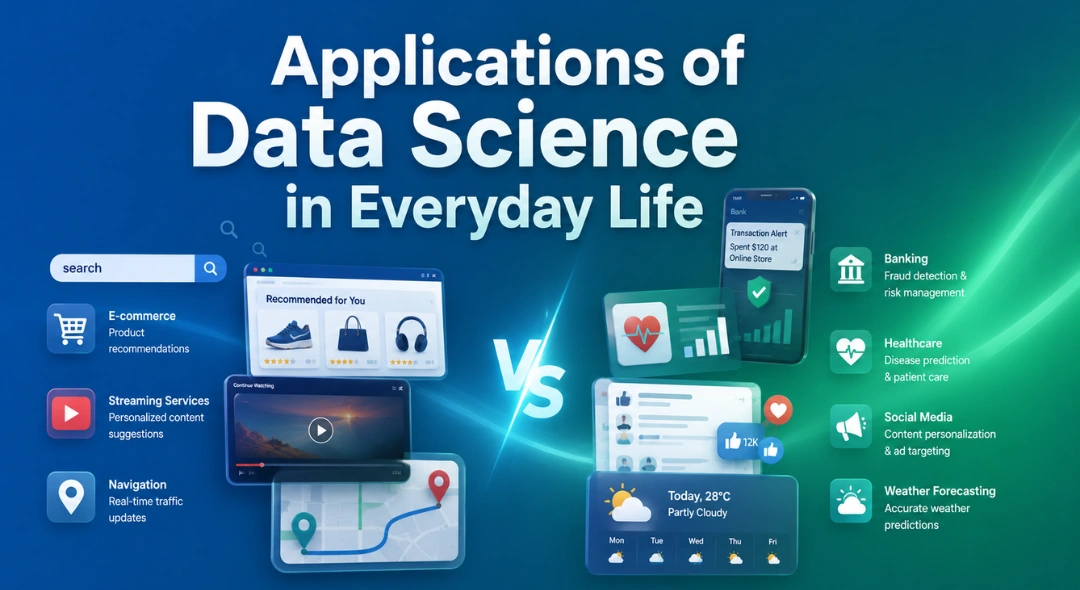
Applications of Data Science in Everyday Life Most people think data science is something that only happens inside huge tech companies or …
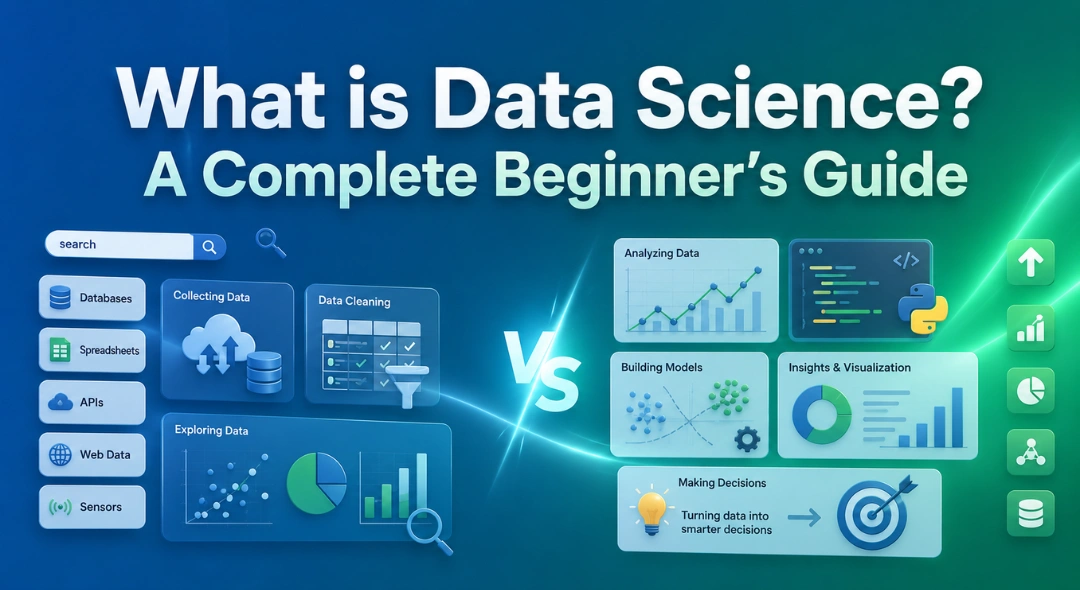
What is Data Science? A Complete Beginner’s Guide If you’ve spent any time online in the last few years, chances are you’ve …
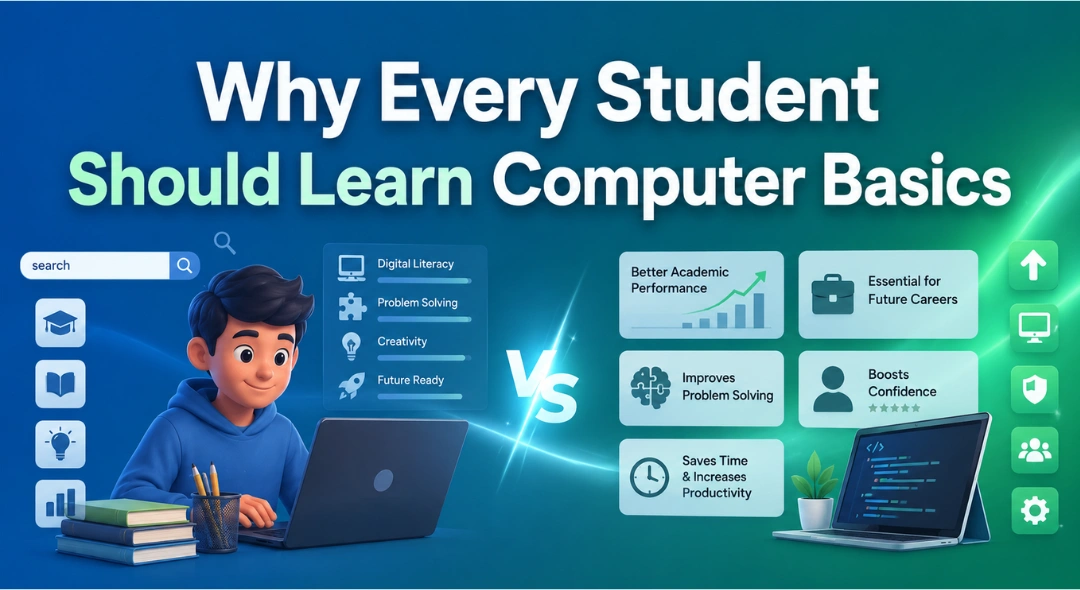
Why Every Student Should Learn Computer Basics Walk into almost any classroom today, and you’ll spot laptops, tablets, or smartboards being used …
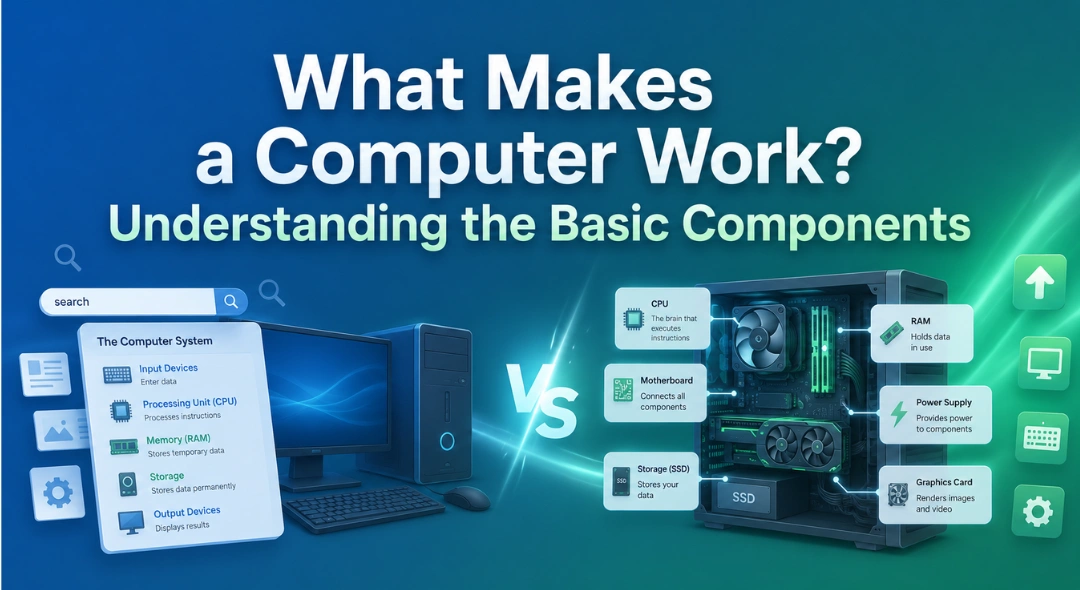
What Makes a Computer Work? Understanding the Basic Components Most of us use a computer every single day, typing emails, browsing the …
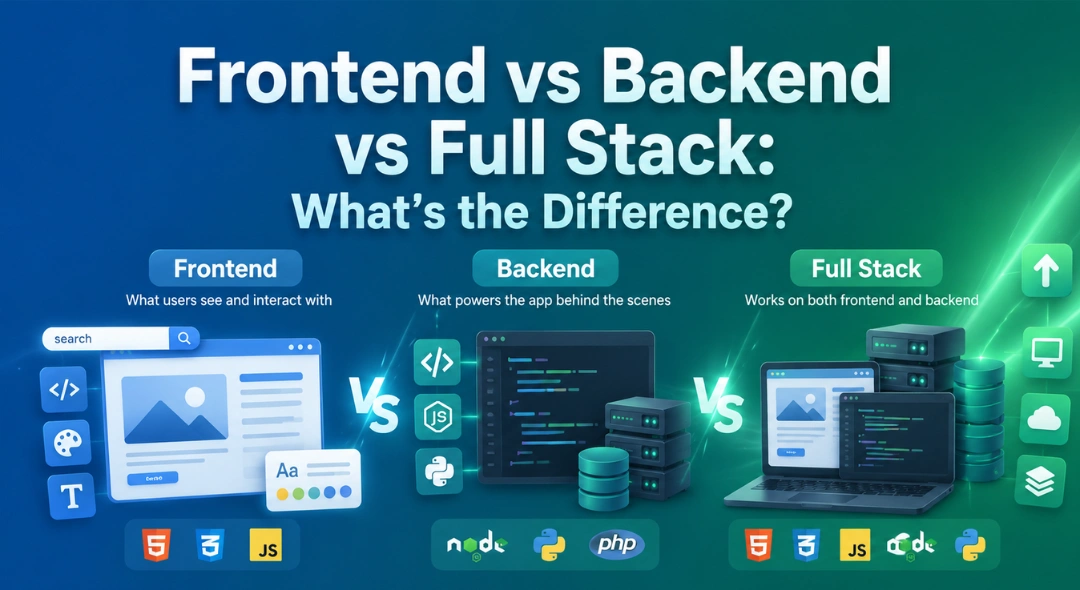
Frontend vs Backend vs Full Stack: What’s the Difference? If you’re exploring a career in software development, you’ve scrolled through job listings …
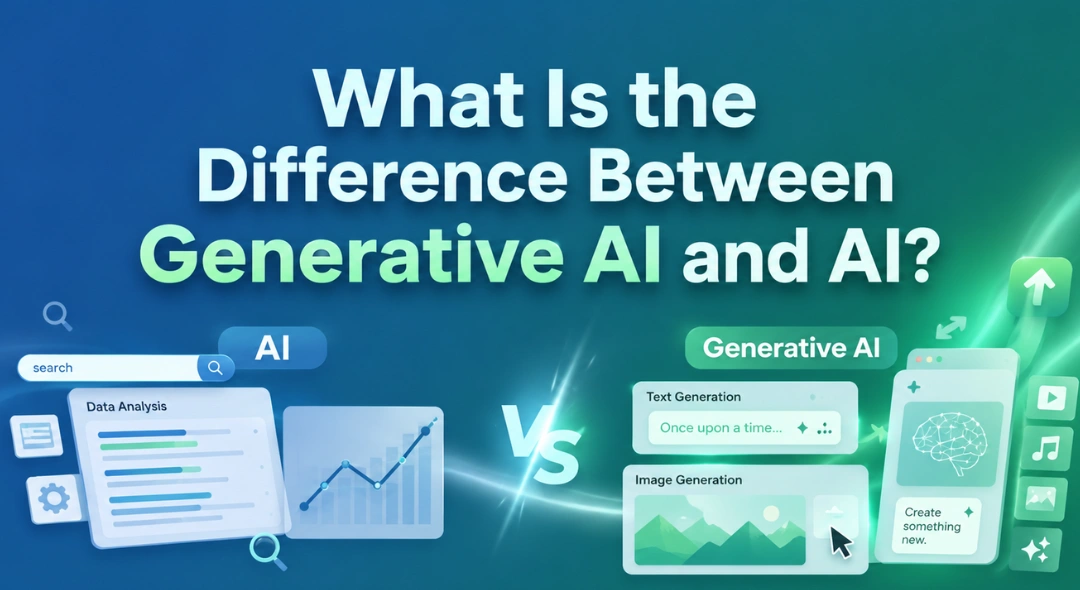
What Is the Difference Between Generative AI and AI? If you’ve spent any time online lately, you’ve probably noticed two terms being …
Every business from a small store in South Mumbai to a large company runs on numbers. But have you ever wondered how …
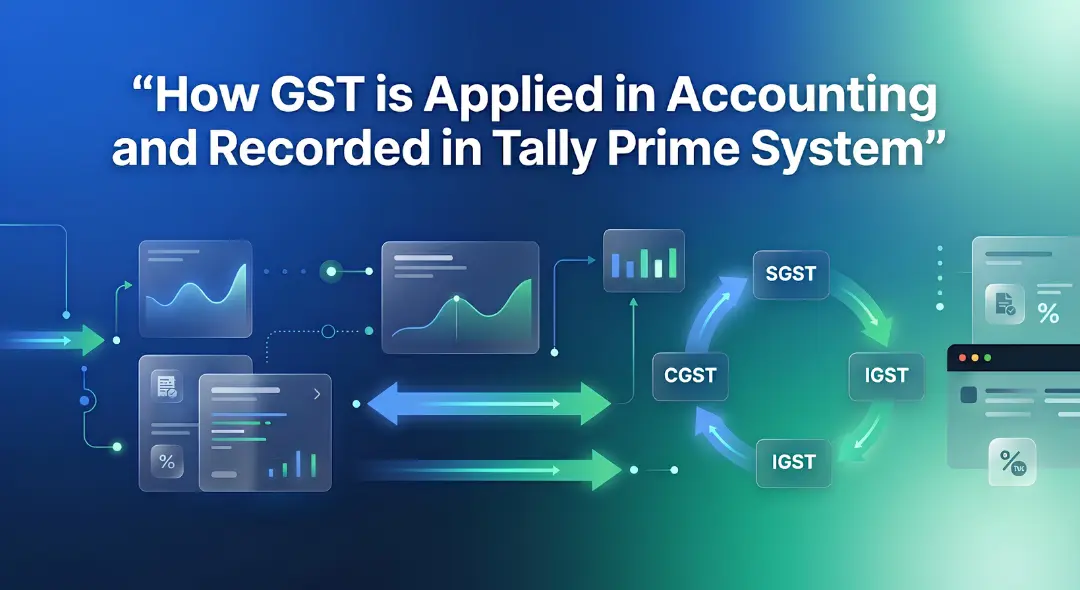
Hey everyone! If you have ever walked into a shop in Mumbai, bought a laptop, or even ordered food online, you have …
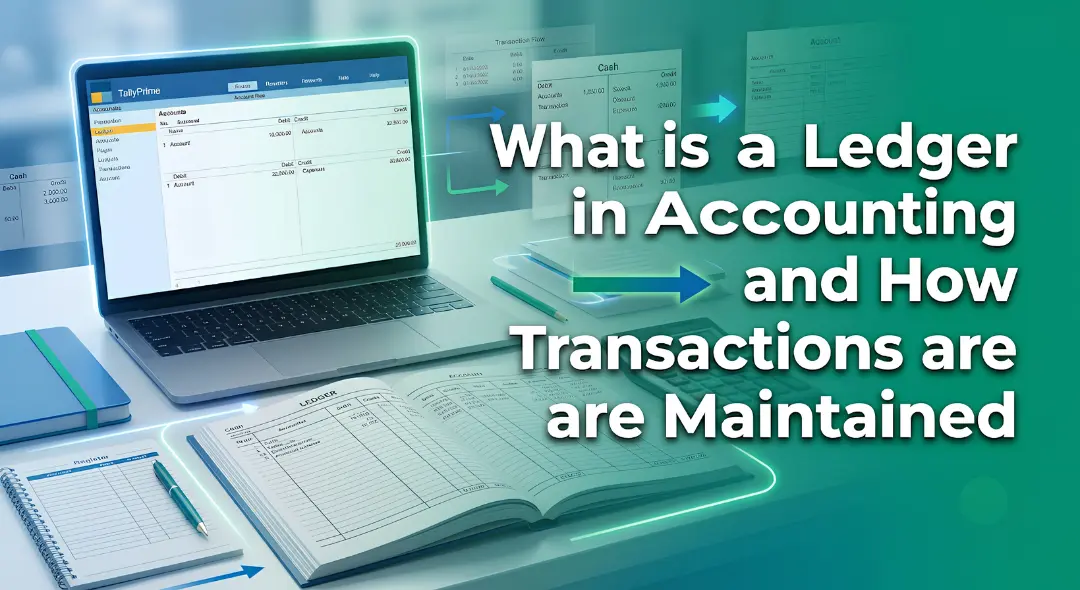
If you are new to business or managing accounts in Mumbai, you have probably heard the term ledger quite often. It sounds …
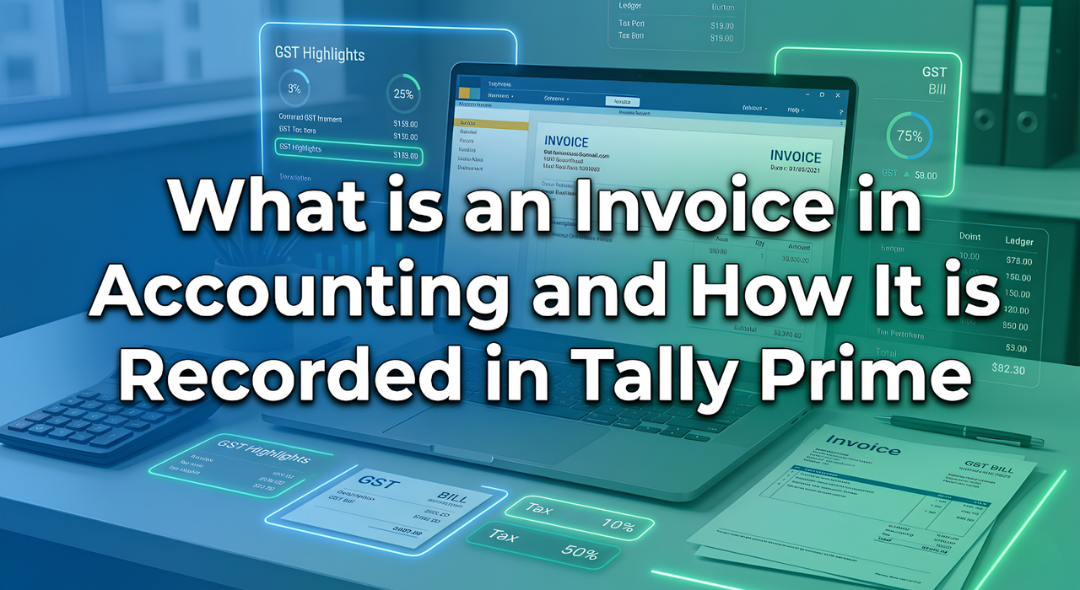
Introduction Have you ever bought a smartphone from an electronics shop and received a printed paper showing the amount you paid along …
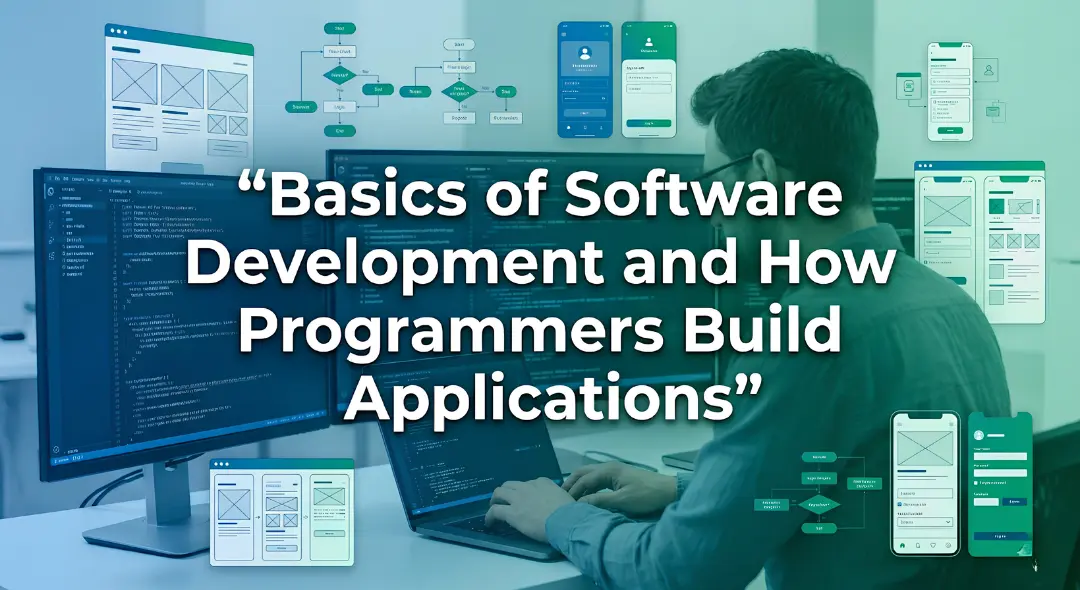
Introduction: The Hidden World Behind Your Screen If you pick up your phone right now, what is the first app you will …
Every morning most of us in Mumbai wake up and instinctively reach for our phones. We check WhatsApp scroll through train updates …
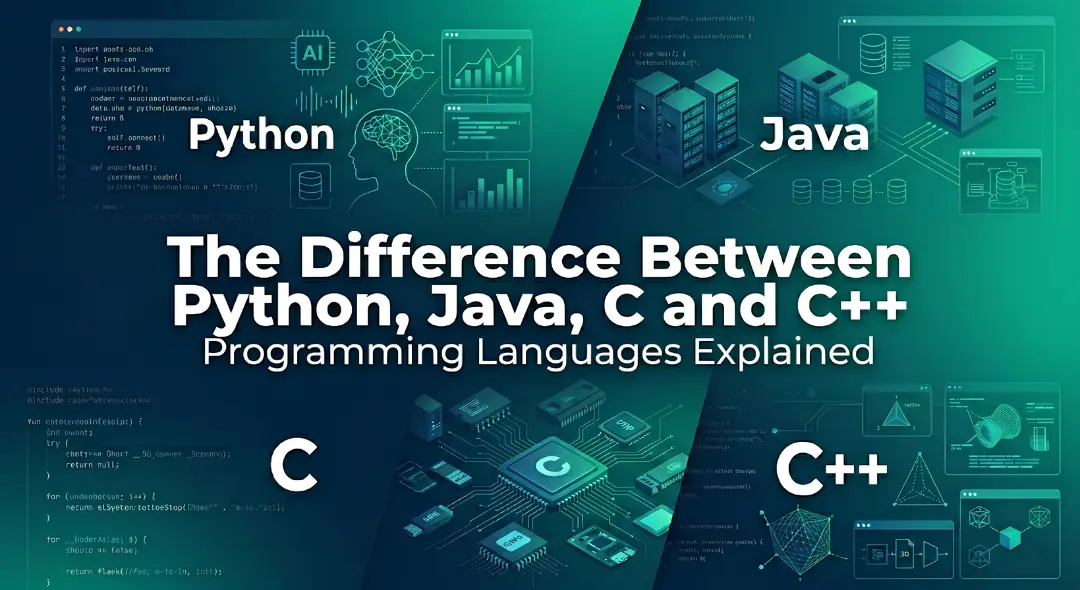
Every week at our center I get the exact same question from students. They walk in look at the course list and …
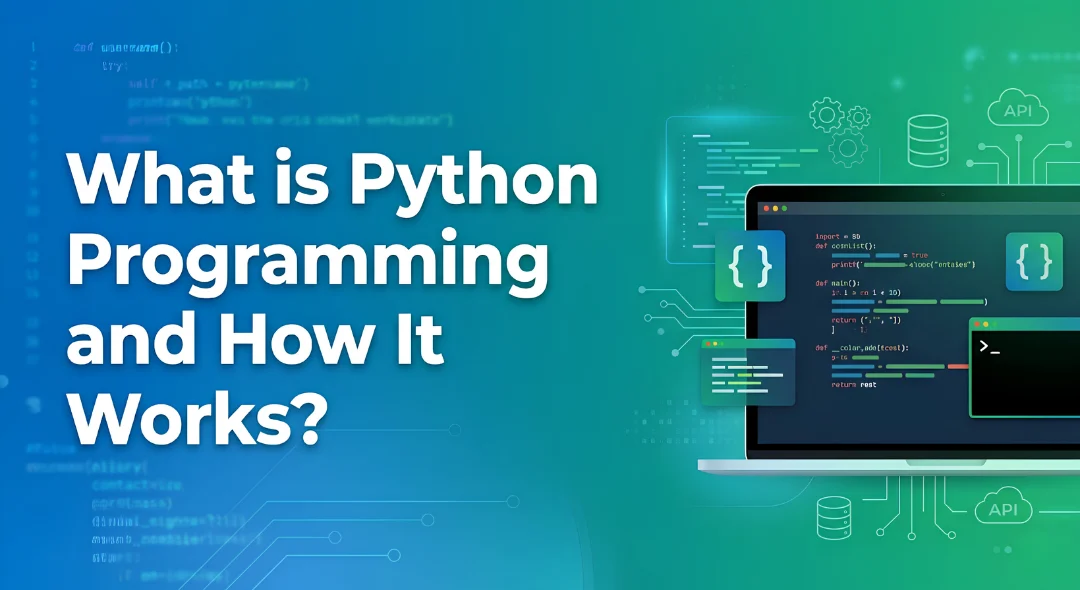
Have you ever wondered what happens behind the scenes of your apps like Instagram, Spotify, or Netflix? Every time you scroll through …
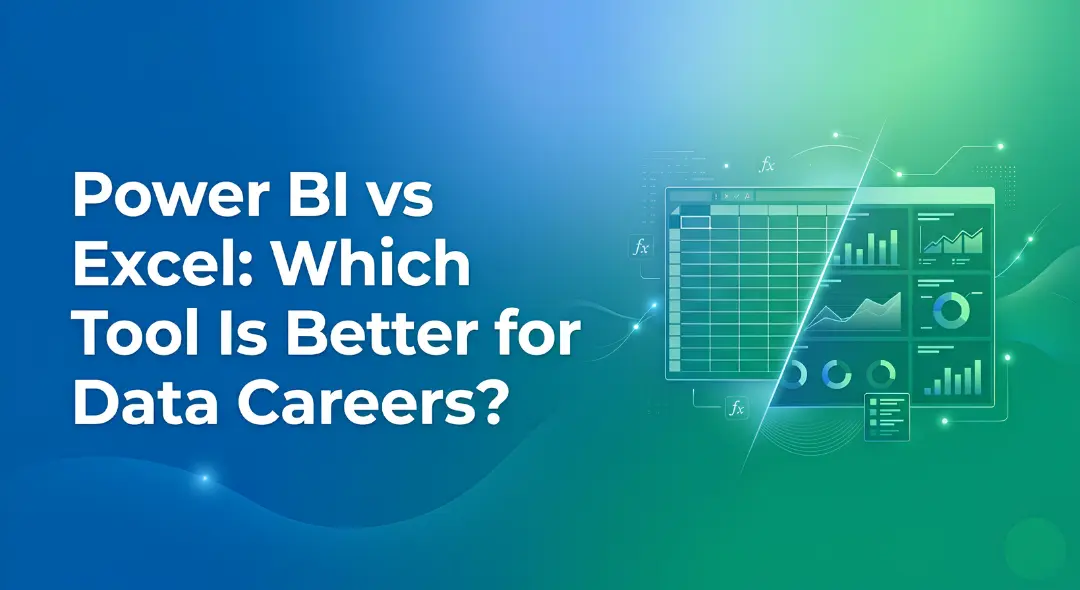
If you want to get into the data analytics field or if you want to improve your skills you probably have a …
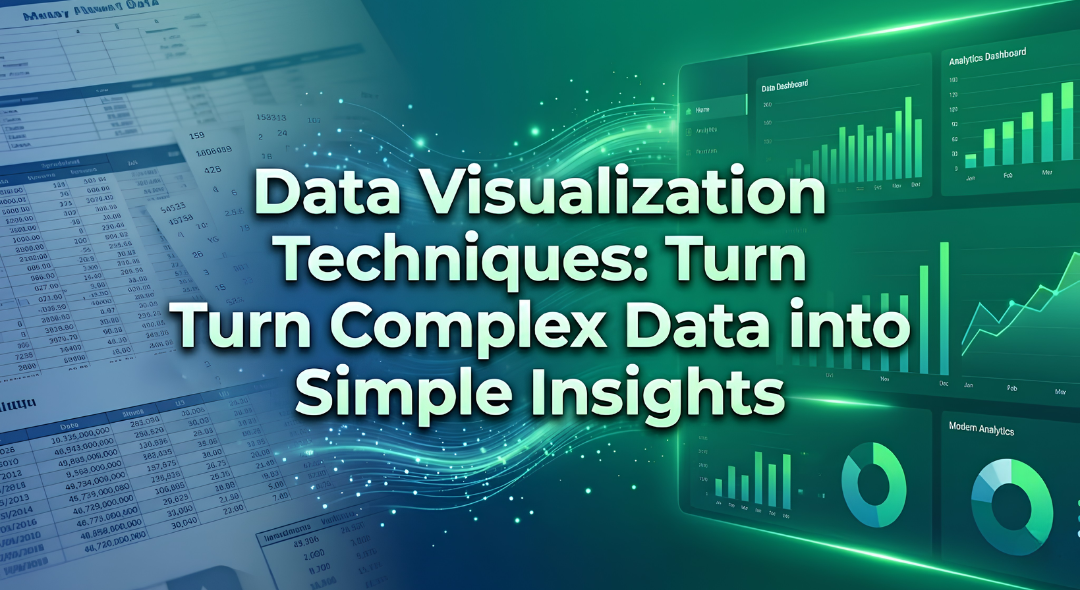
Imagine you are sitting in a boardroom or staring at a laptop screen looking at a spreadsheet with 10,000 rows of raw …
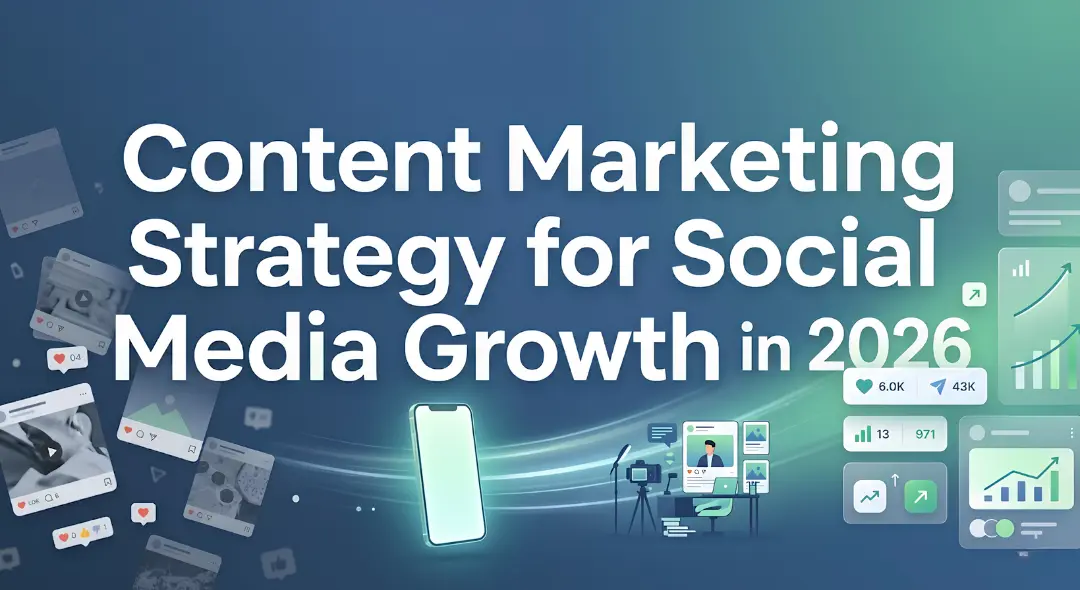
If you have spent any time on Instagram, LinkedIn or any other new platform that has come up, you have probably noticed …
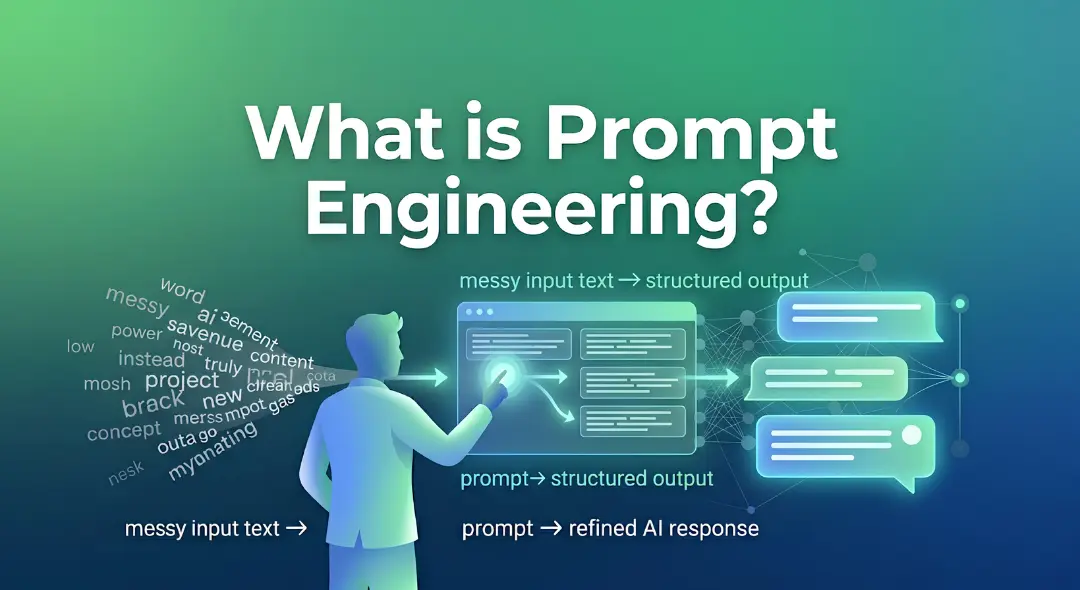
Think about the last time you asked someone for directions and ended up completely lost. It wasn’t because they didn’t know the …
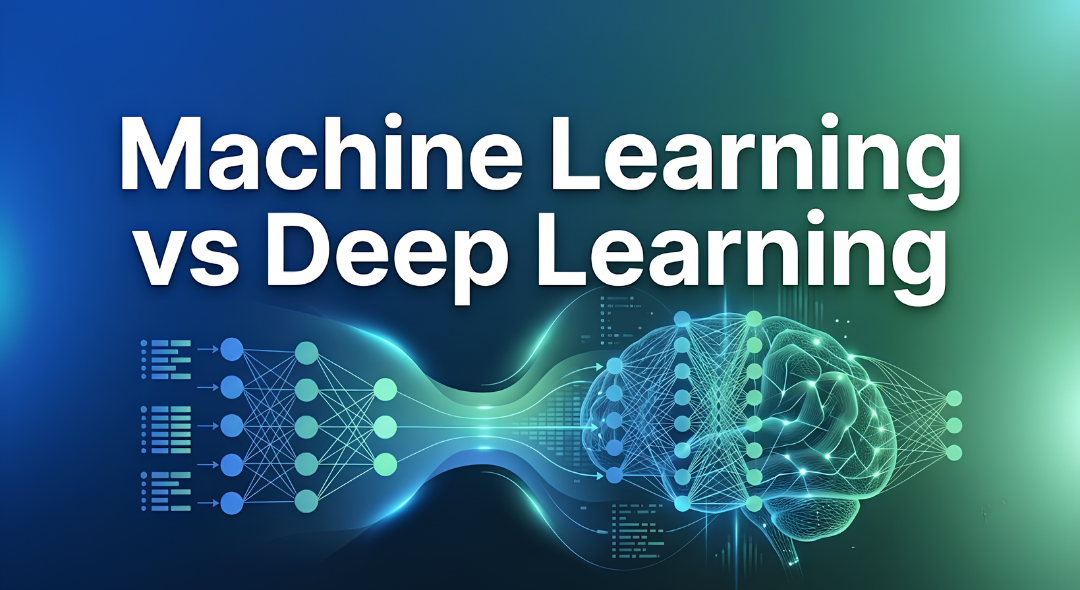
Have you ever wondered why your phone can instantly unlock by looking at your face while a traditional computer program still struggles …