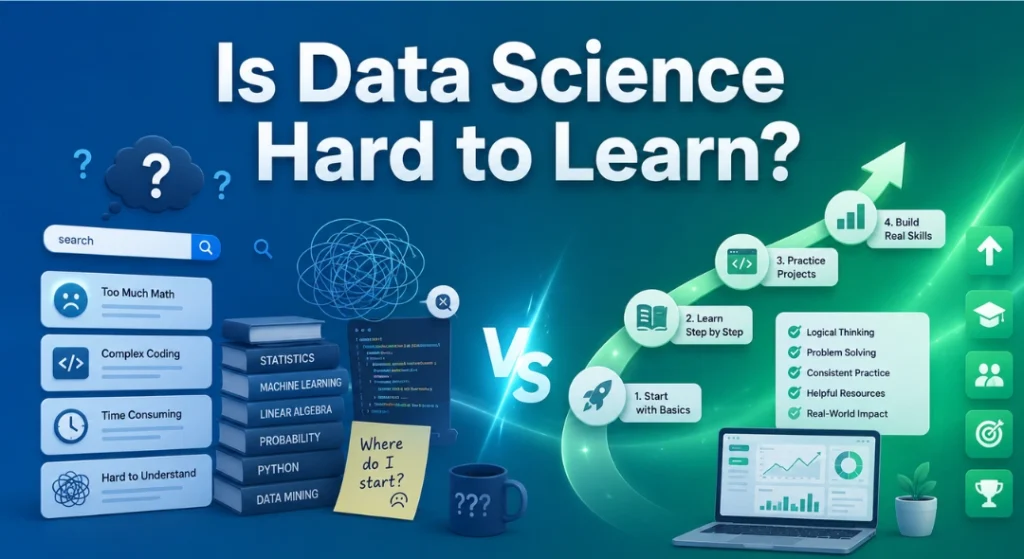
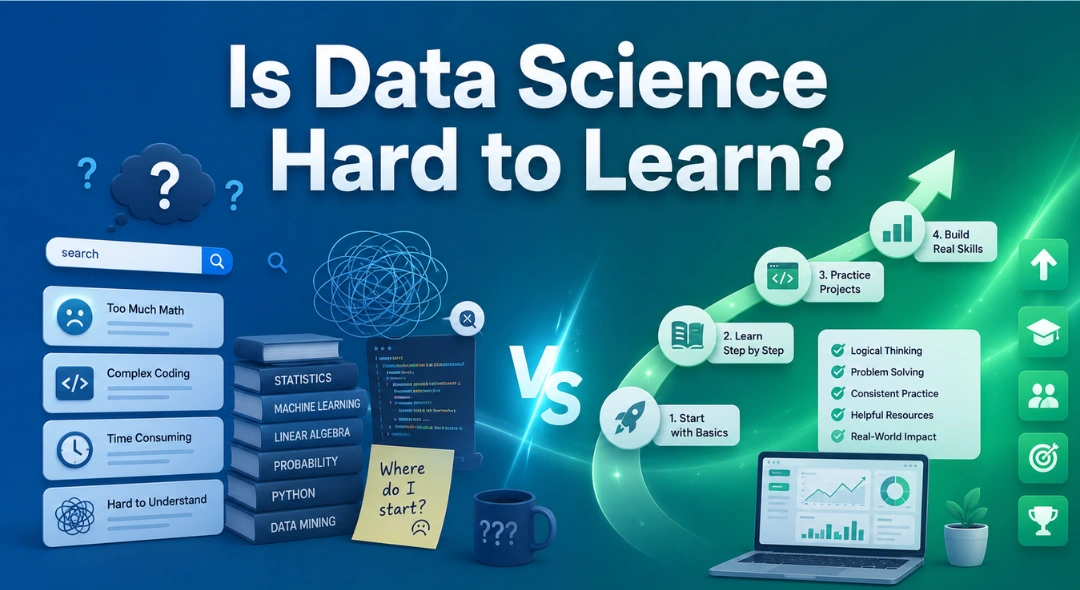
Is Data Science Hard to Learn? If you’ve ever searched “is data science hard,” you already know the internet isn’t much help. …
What is Data Science? A Complete Beginner’s Guide
If you’ve spent any time online in the last few years, chances are you’ve come across the term “data science” more than once. It shows up in job listings, news articles, and conversations about technology, often described as one of the most in-demand skills of our time. But for someone just starting out, the term can feel vague and a little intimidating. What does it actually mean to “do” data science? And why does it seem to be everywhere all of a sudden?
This guide breaks it down in simple terms, no jargon, no assumptions that you already know what a “model” or an “algorithm” is. By the end, you should have a clear picture of what data science actually involves and where to begin if you’re curious about learning it.
So, What Exactly Is Data Science?
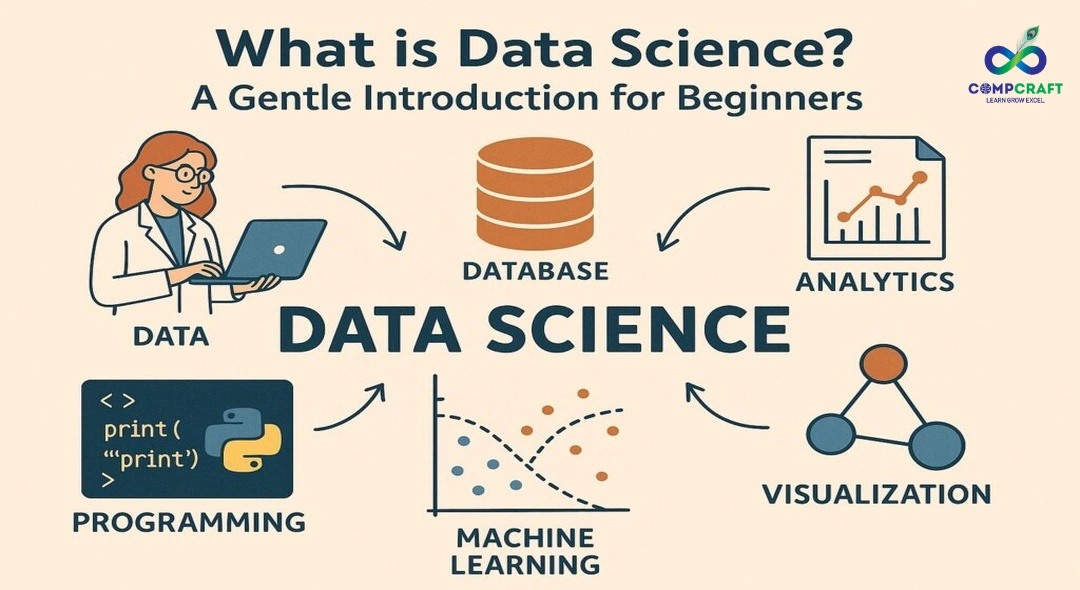
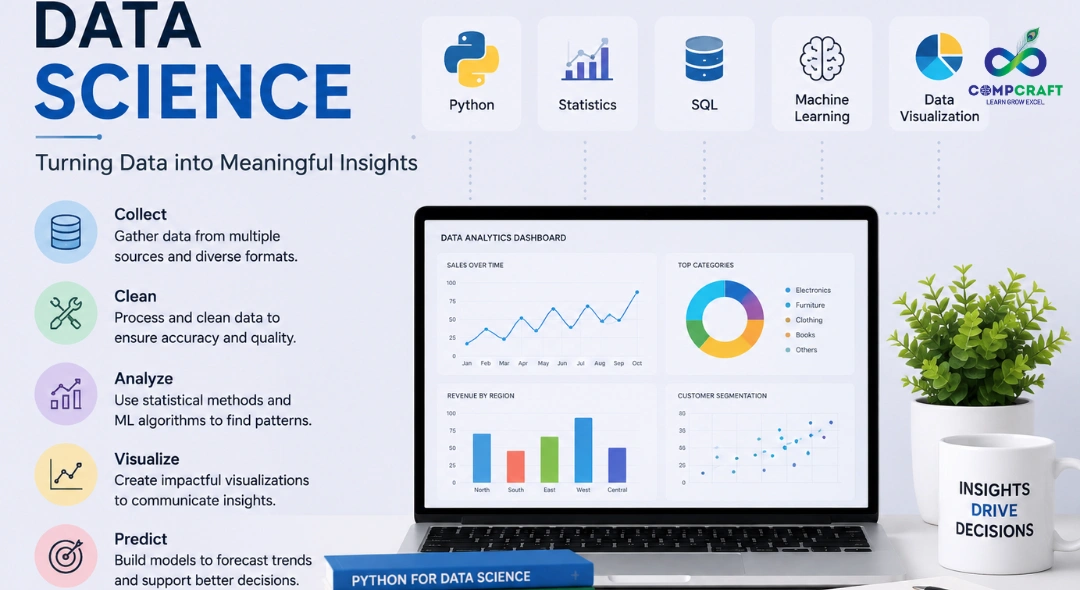
At its core, data science is the practice of collecting, organizing, and analyzing data to find patterns, answer questions, and support better decisions. Think of it as a mix of three things: statistics, computer programming, and subject knowledge about whatever problem you’re trying to solve.
For example, a retail company might use data science to figure out which products are likely to sell well next season. A hospital might use it to predict which patients are at higher risk of complications. A streaming platform might use it to recommend what show you’ll want to watch next. In every case, the goal is the same: turning raw, messy data into something useful and understandable.
Data science isn’t just one skill; it’s really a combination of several. It includes data analytics, which focuses on examining data to find trends and insights, along with programming, statistics, and increasingly, artificial intelligence and machine learning.
How Is Data Science Different From Data Analytics?
This is one of the most common points of confusion for beginners. Data analytics and data science are closely related, but they’re not exactly the same thing. Data analytics tends to focus on understanding what has already happened by analyzing existing data, things like sales trends or website traffic. Data science goes a step further. It often involves building models that can predict what might happen in the future, using techniques like machine learning.
In practice, many beginner-friendly data science and analytics courses introduce both, since the skills overlap heavily. Learning data analytics is often a great entry point before moving into more advanced data science work.
The Role of Python in Data Science
If there’s one tool that comes up again and again in this field, it’s Python. Python for data science has become the industry standard, largely because it’s relatively easy to learn while still being powerful enough to handle complex data tasks.
Python for data analysis allows you to clean messy datasets, spot trends, and create visualizations that make data easier to understand. As you progress, python and data science go hand in hand with machine learning, where Python is used to build models that can recognize patterns and make predictions.
Most data science course in Python options will start with the basics, things like how to work with data tables, write simple scripts, and create charts, before moving into statistics and more advanced analysis. The good news is that you don’t need a programming background to start. Many people learn Python specifically for data science with no prior coding experience at all.
Why Math and Statistics Matter
It’s tempting to think data science is purely about coding, but math for data science plays just as important a role. Concepts like averages, probability, and distributions help explain why certain patterns in data matter and others don’t.
Data science statistics is essentially the foundation that everything else is built on. Without a basic understanding of statistics, it’s easy to draw the wrong conclusions from data, even with the best tools and software. That said, beginner courses typically introduce data science maths gradually, building up from simple concepts rather than expecting advanced math knowledge from day one.
Where Machine Learning Fits In
You can’t talk about data science today without mentioning machine learning. Data science with machine learning focuses on teaching computers to recognize patterns in data and make predictions or decisions without being explicitly programmed for every scenario.
This is also where data science and artificial intelligence start to overlap. Artificial intelligence and data science are closely connected fields; data science often provides the structured data and analysis that AI systems are trained on. As a result, many programs now combine the two, offering an AI and data science course or a data science and artificial intelligence course that covers both areas together, since they’re increasingly used in tandem in real-world projects.
What Does a Data Scientist Actually Do?
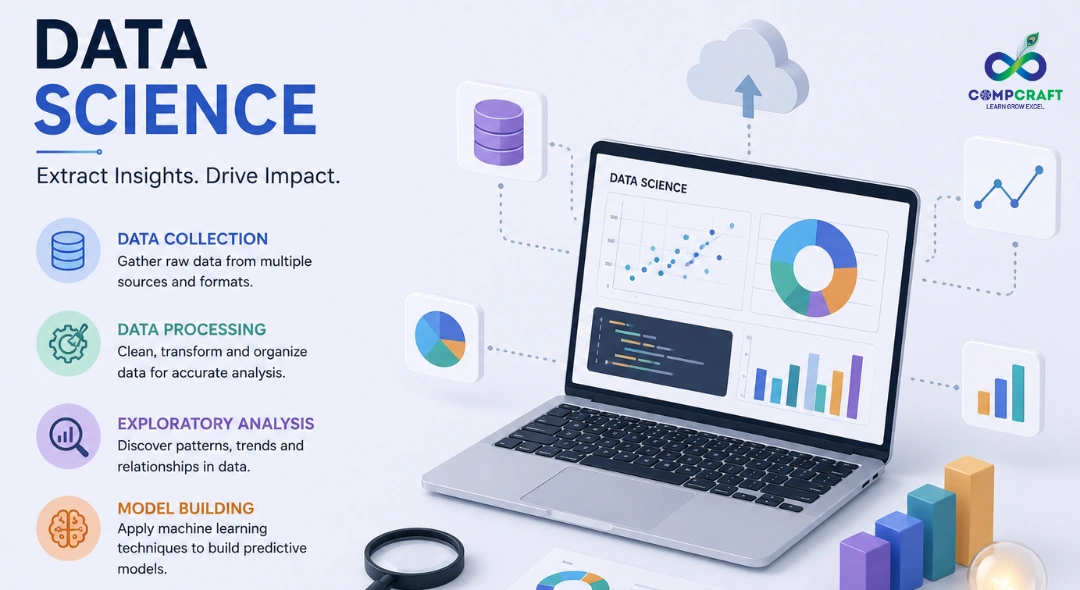
A simple introduction to data science wouldn’t be complete without explaining what the day-to-day work actually looks like. A data scientist typically spends time gathering data, cleaning it (which often takes more time than people expect), exploring it to find patterns, building models, and then communicating those findings in a way that’s useful to decision-makers.
It’s a role that blends technical skill with curiosity and communication. Being able to explain a complicated trend in simple terms is just as valuable as being able to write the code that found it in the first place.
How Do You Get Started?
If this all sounds interesting, the good news is that you don’t need a specialized degree to begin. There are countless courses on data analytics and data science available today, ranging from short introductory programs to more in-depth certifications.
Some well-known options, like the IBM data science professional certificate or the IBM data analyst professional certificate, are popular starting points because they’re structured, beginner-friendly, and recognized by employers. These often include modules on Python, statistics, and basic machine learning, giving you a well-rounded introduction.
When looking for the best data science course or trying to compare options, it helps to consider a few practical factors: data science course duration, data science course fees, whether the course offers a recognized data science certificate, and whether it includes hands-on projects rather than just video lectures. A good data analyst certificate or data scientist certificate course should leave you with a portfolio of work, not just a piece of paper.
It’s also worth thinking about format. Some people prefer self-paced online learning, while others do better in structured data scientist classes or data analyst classes with set schedules and direct support from instructors.
Learning Locally: A Practical Option
While online learning has made data science more accessible than ever, many beginners still prefer in-person classes, especially when starting out, since it’s easier to ask questions and stay accountable. If you’re based in Mumbai, there are increasingly more options for a data science course in South Mumbai, with several institutes offering data science training in South Mumbai aimed specifically at beginners.When comparing local options, it’s worth checking whether a course offers structured support, like a data science course with placement in Mumbai, and whether it fits your budget, since some affordable data science classes in Charni Road focus specifically on practical, job-ready skills rather than heavy theory.
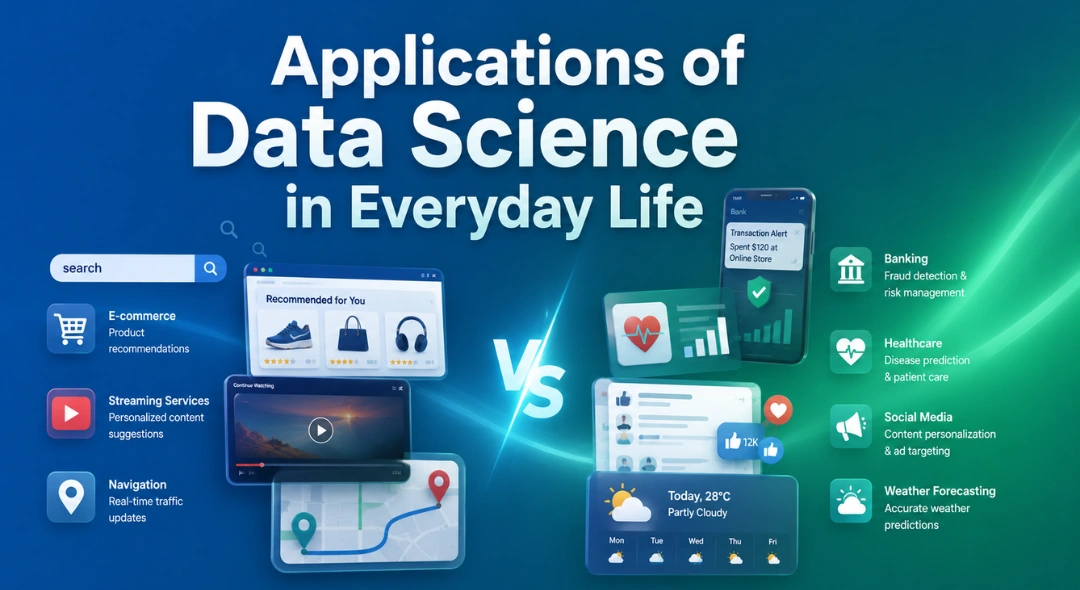
Applications of Data Science in Everyday Life Most people think data science is something that only happens inside huge tech companies or …
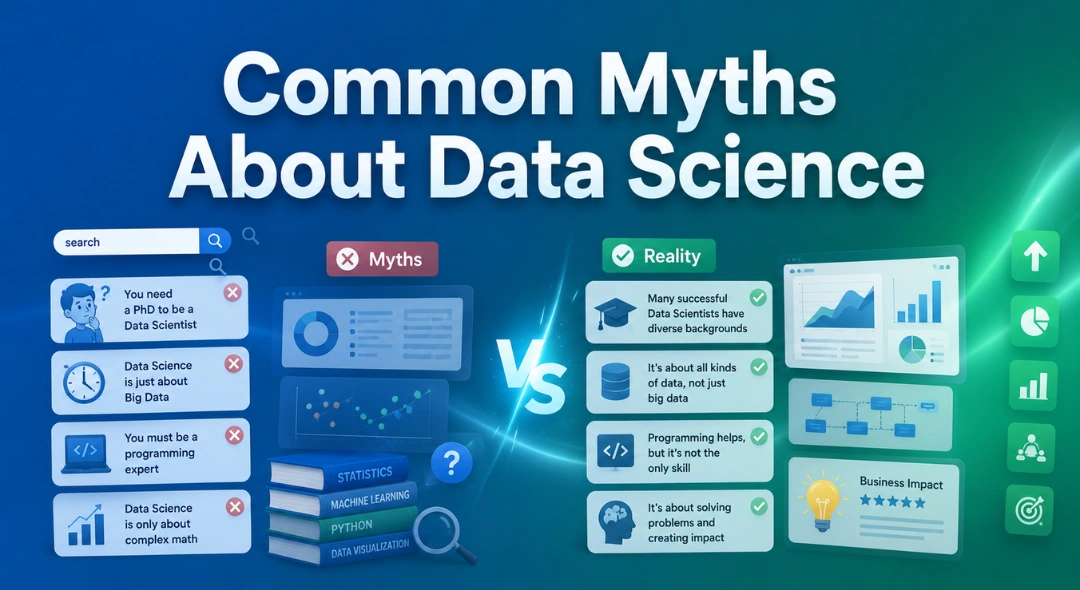
Common Myths About Data Science Data science has become one of those buzzwords that almost everyone has heard, but not everyone fully …
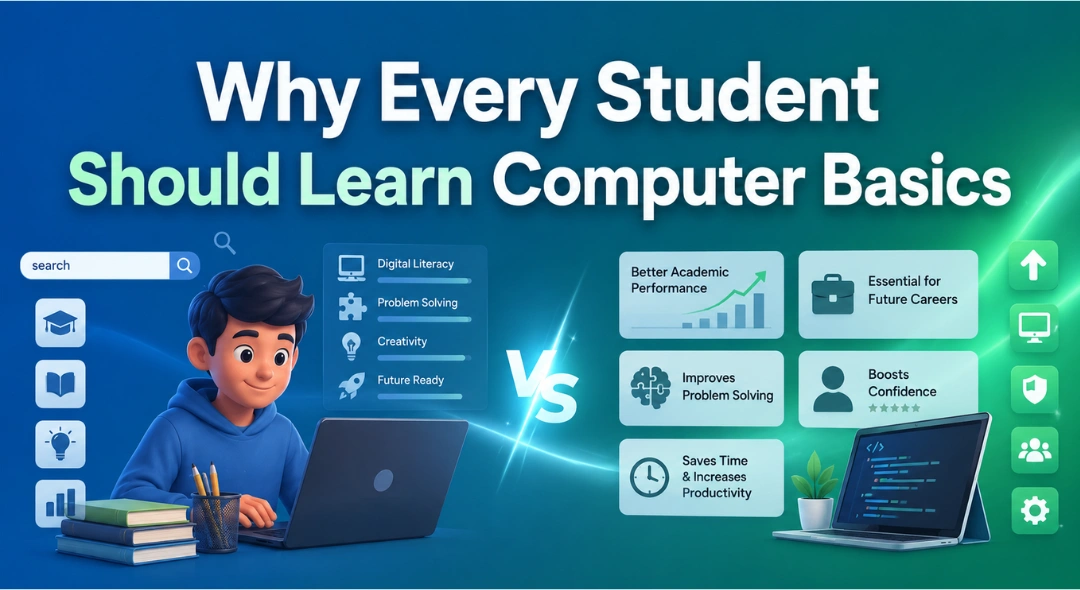
Why Every Student Should Learn Computer Basics Walk into almost any classroom today, and you’ll spot laptops, tablets, or smartboards being used …
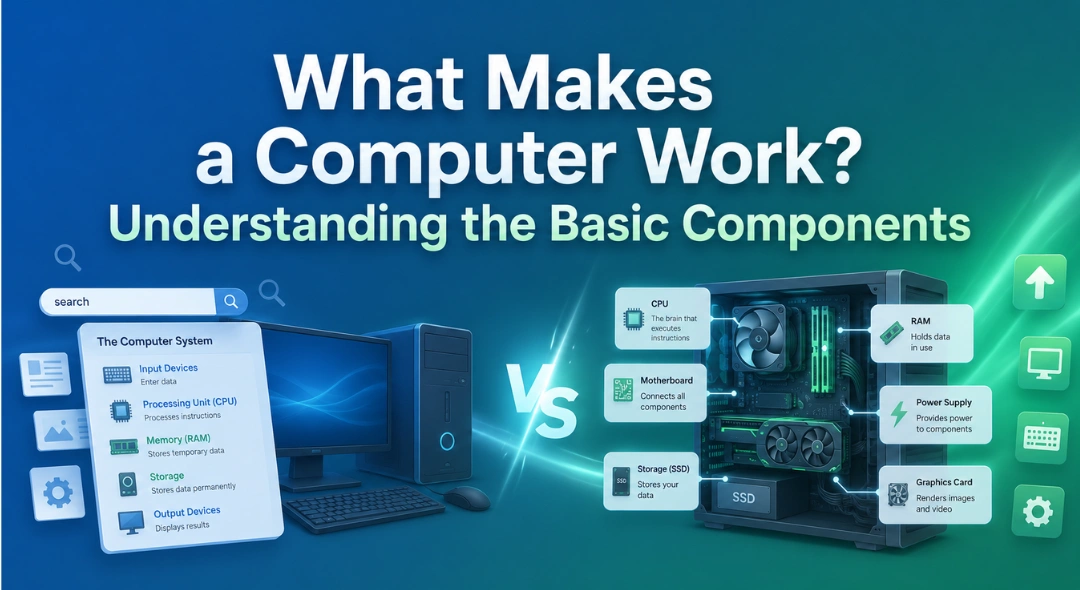
What Makes a Computer Work? Understanding the Basic Components Most of us use a computer every single day, typing emails, browsing the …
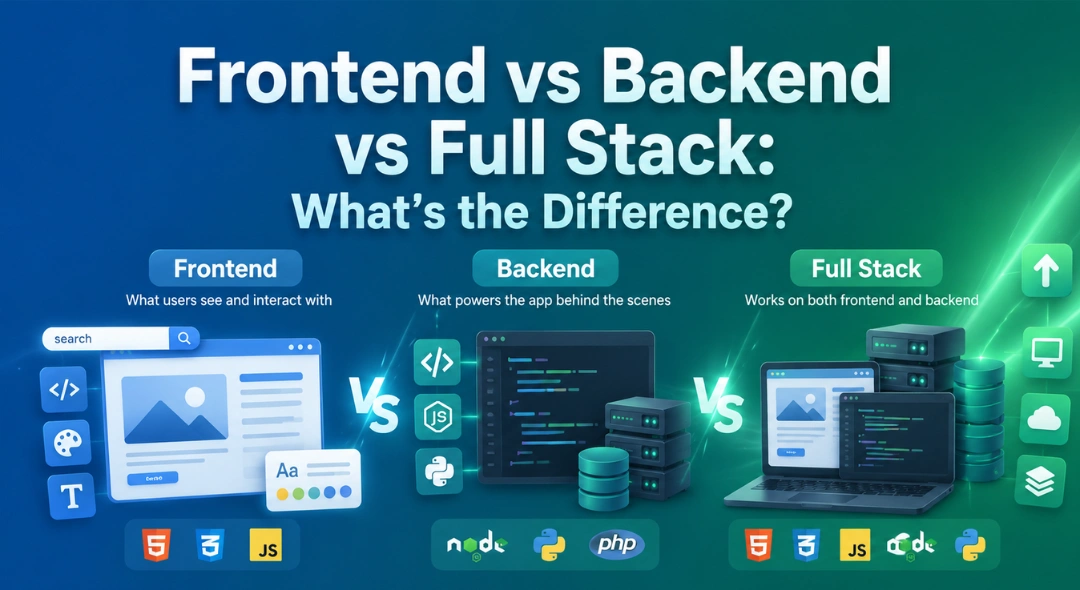
Frontend vs Backend vs Full Stack: What’s the Difference? If you’re exploring a career in software development, you’ve scrolled through job listings …
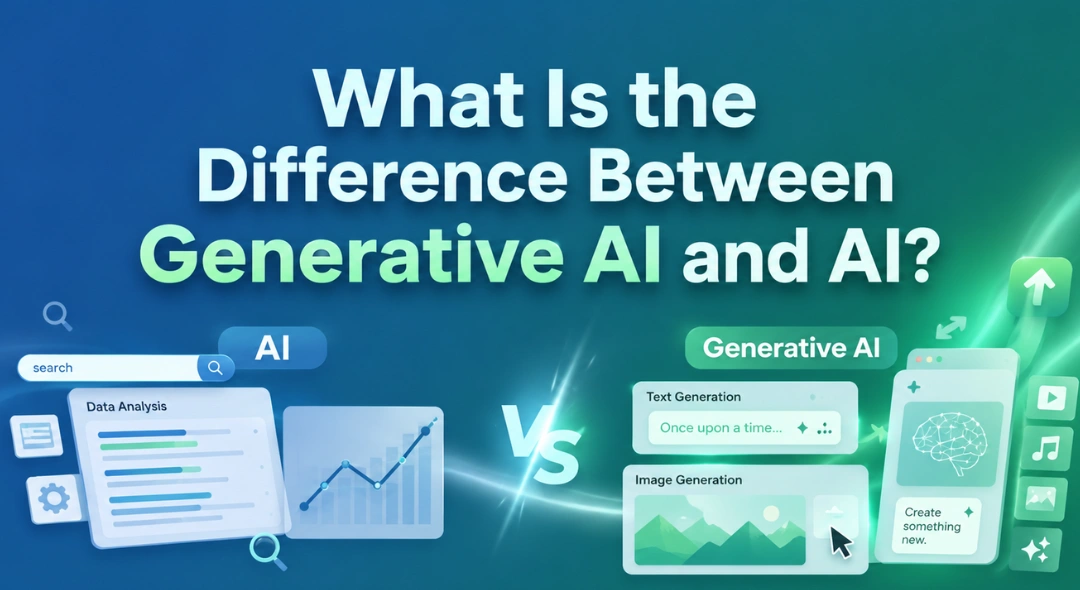
What Is the Difference Between Generative AI and AI? If you’ve spent any time online lately, you’ve probably noticed two terms being …
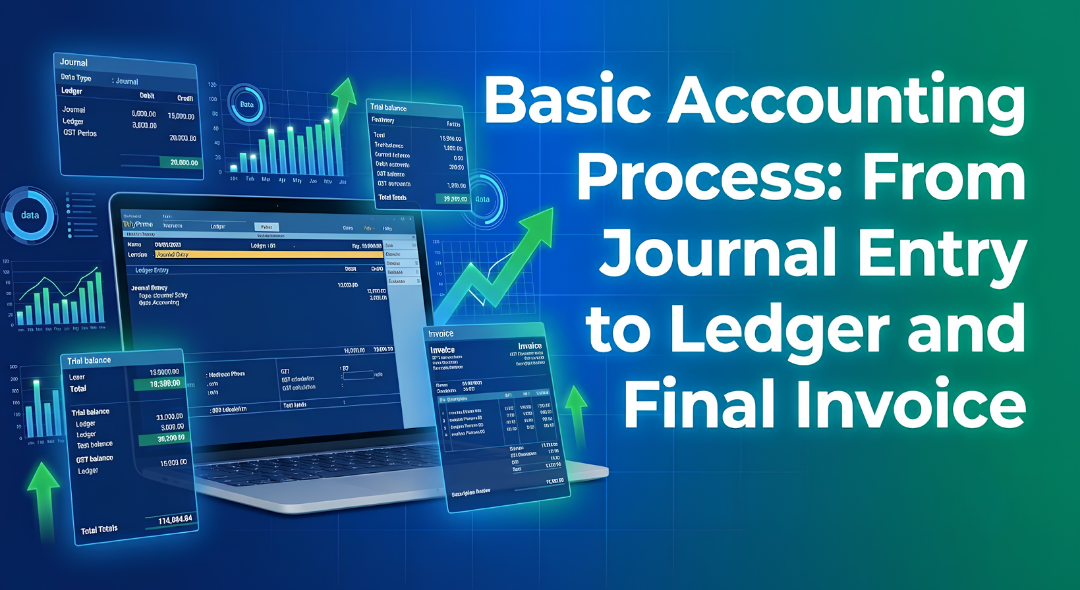
Every business from a small store in South Mumbai to a large company runs on numbers. But have you ever wondered how …
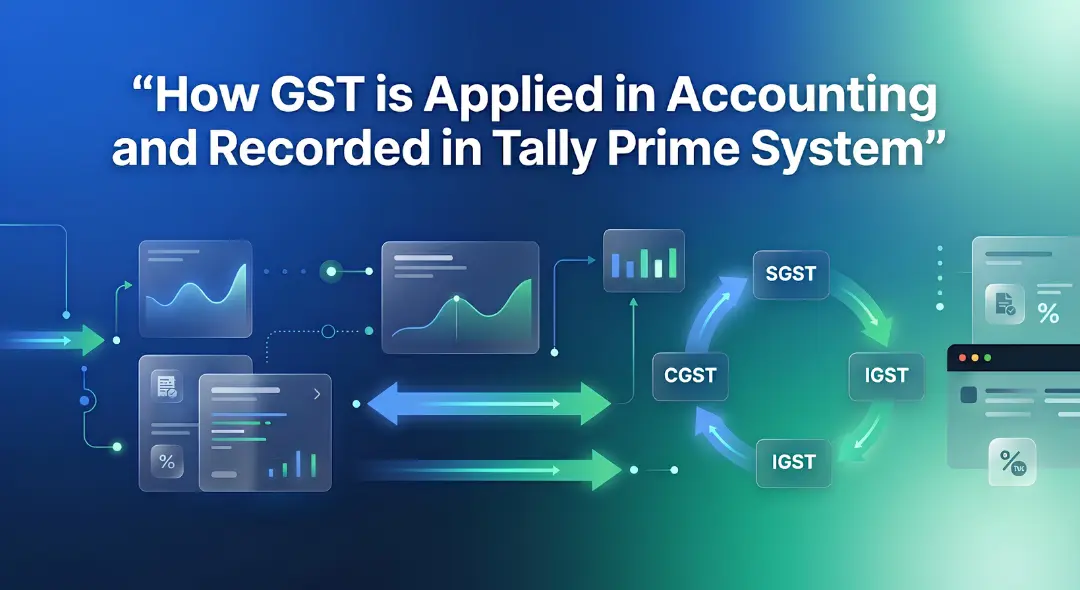
Hey everyone! If you have ever walked into a shop in Mumbai, bought a laptop, or even ordered food online, you have …
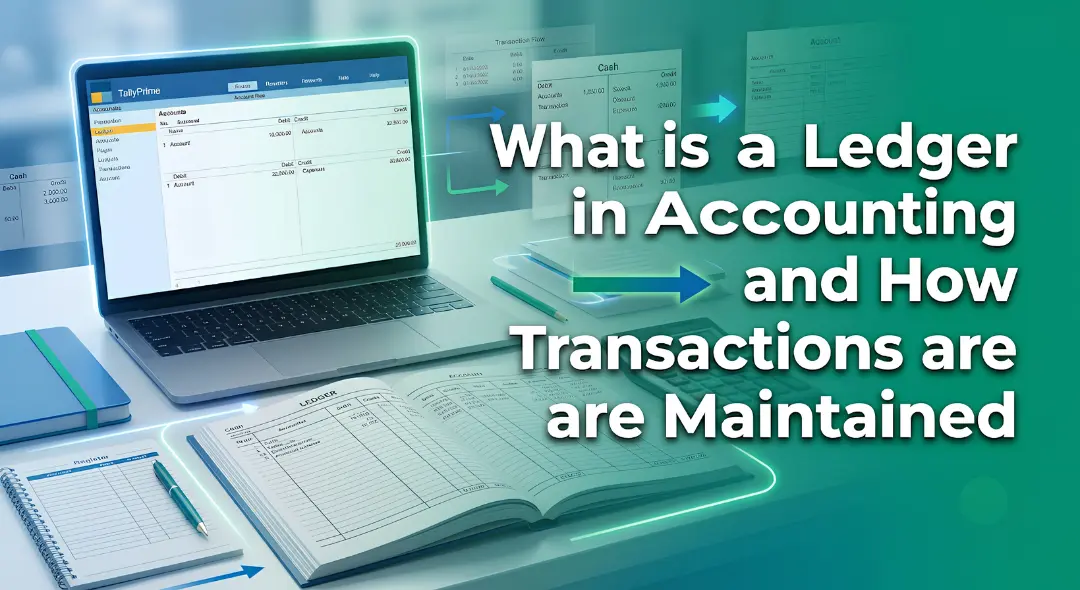
If you are new to business or managing accounts in Mumbai, you have probably heard the term ledger quite often. It sounds …
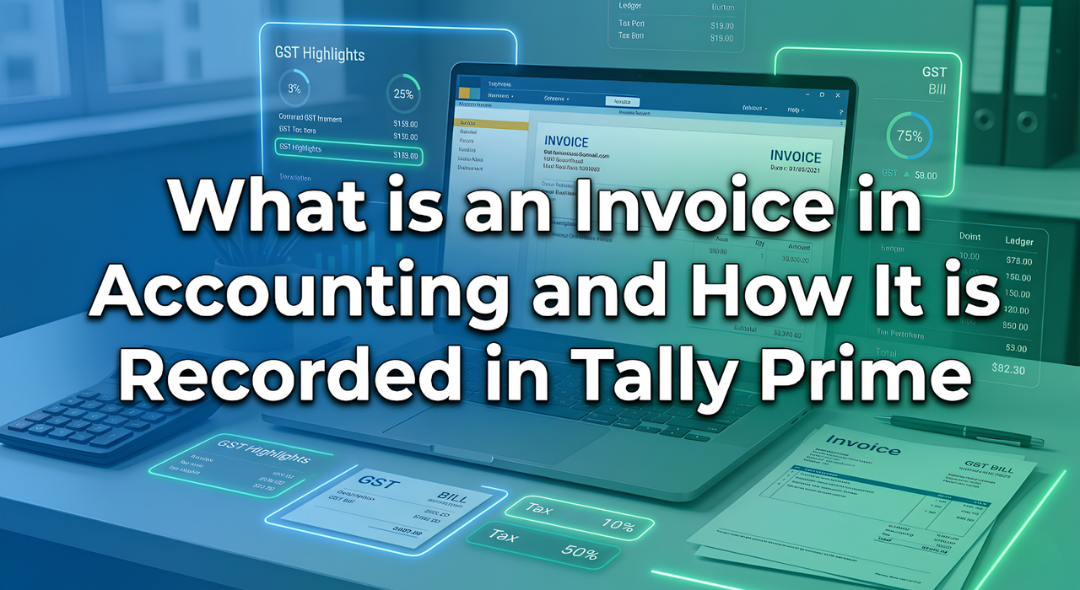
Introduction Have you ever bought a smartphone from an electronics shop and received a printed paper showing the amount you paid along …
Introduction: The Hidden World Behind Your Screen If you pick up your phone right now, what is the first app you will …
Every morning most of us in Mumbai wake up and instinctively reach for our phones. We check WhatsApp scroll through train updates …
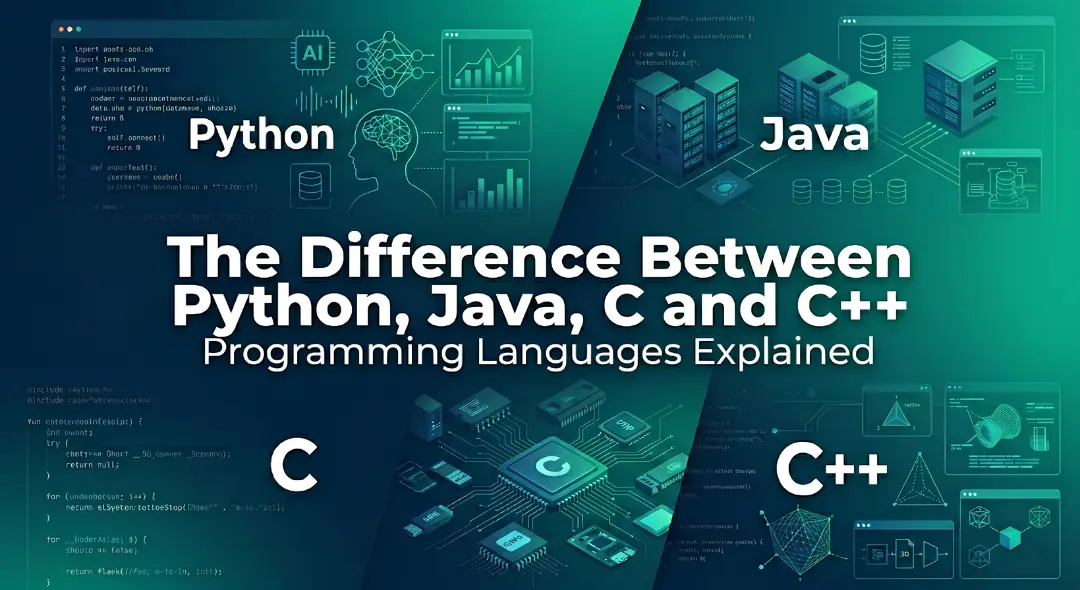
Every week at our center I get the exact same question from students. They walk in look at the course list and …
Have you ever wondered what happens behind the scenes of your apps like Instagram, Spotify, or Netflix? Every time you scroll through …
If you want to get into the data analytics field or if you want to improve your skills you probably have a …
Imagine you are sitting in a boardroom or staring at a laptop screen looking at a spreadsheet with 10,000 rows of raw …
If you have spent any time on Instagram, LinkedIn or any other new platform that has come up, you have probably noticed …
Think about the last time you asked someone for directions and ended up completely lost. It wasn’t because they didn’t know the …
Have you ever wondered why your phone can instantly unlock by looking at your face while a traditional computer program still struggles …